
 EN
EN
 ar
ar bg
bg hr
hr cs
cs da
da nl
nl fi
fi fr
fr de
de el
el hi
hi it
it ko
ko no
no pl
pl pt
pt ro
ro ru
ru es
es sv
sv tl
tl iw
iw id
id lv
lv lt
lt sr
sr sk
sk sl
sl uk
uk vi
vi et
et hu
hu th
th tr
tr fa
fa ms
ms hy
hy ka
ka ur
ur bn
bn mn
mn ta
ta kk
kk uz
uz ku
ku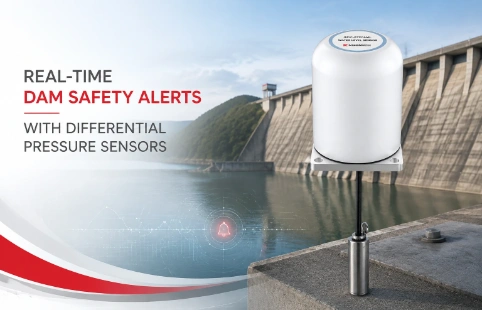
Real-Time Dam Safety Alerts with Differential Pressure Water Level Sensors
Key Takeaways An alert chain needs more than a sensor: define field in...

Weir Flow Meter China: Reliable Open Channel Measurement
A sharp-crested weir sitting across an irrigation canal does more than hold back water—it turns a basic channel into a measurable flow point. In China, where large-scale water projects and tight environmental controls intersect, getting that measurement right matters. Kingmach has been building weir flow meters that fit into these environments without overcomplicating things. The company makes instruments for geotechnical and hydrological monitoring, and weirs are a natural part of the lineup. From rectangular thin-plate weirs that suit smaller streams to broader-profile designs for flood bypass channels, the range covers the typical needs you would find in dam safety, irrigation districts, and wastewater plants. Every unit is fabricated to match site geometry, and Kingmach’s team works with project specs to choose or adapt the weir plate, stilling well, and sensor combination that delivers stable readings. No generic catalogs—just a mix of manufacturing capability, on-staff engineering, and a supply chain that has shipped to monitoring networks across Asia, Africa, and South America.
Technical Detail
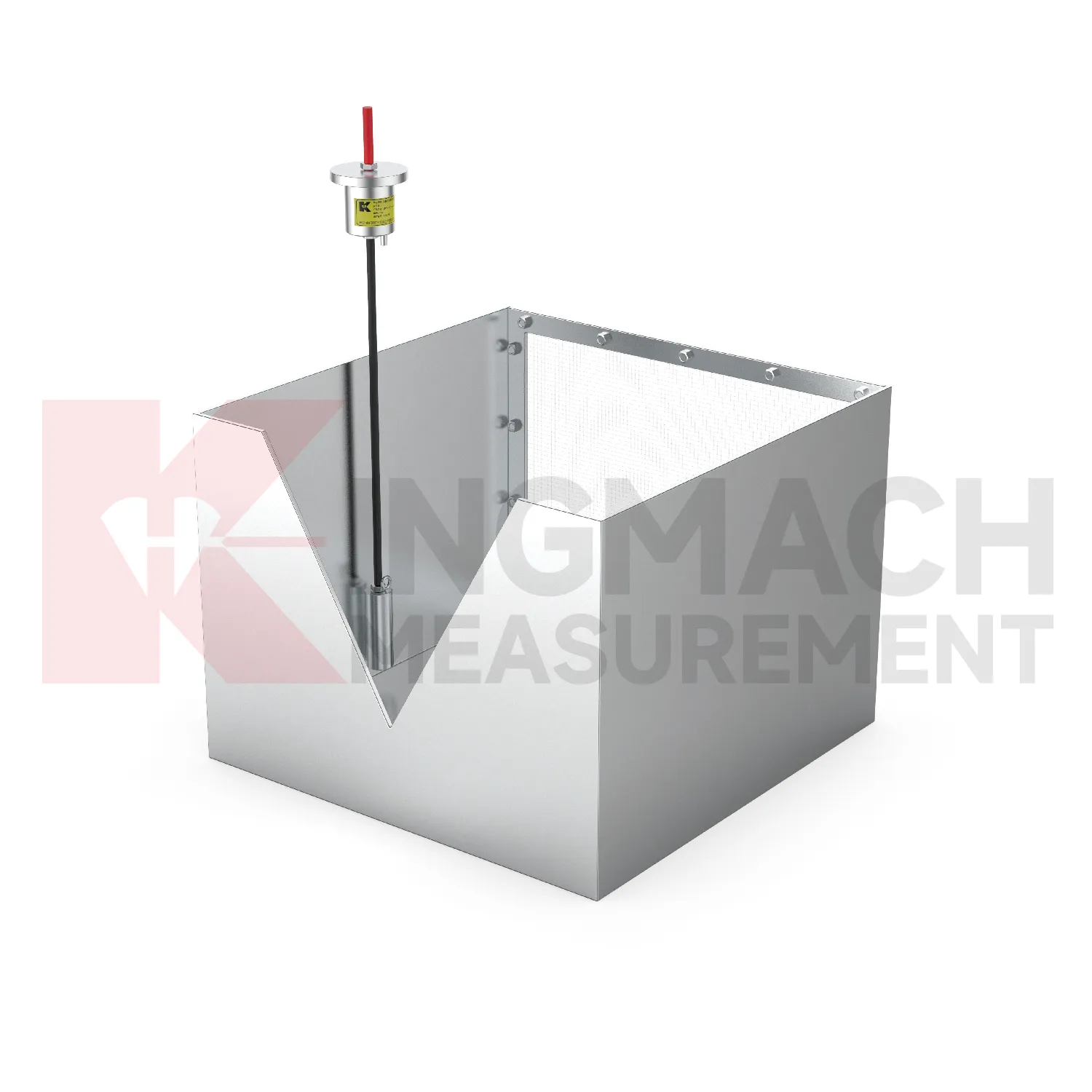
Kingmach’s weir flow meters are built for open channels where a fixed crest structure can provide repeatable stage-to-discharge relationships. Common configurations include rectangular, V-notch, and trapezoidal weirs, each cut from corrosion-resistant stainless steel or coated carbon steel depending on water chemistry. A stilling well and a float-operated or submersible pressure sensor capture the head, and a local display or telemetry terminal converts that into flow rate and totalized volume. Edge sharpening follows ISO 1438 for thin-plate weirs, so the coefficient of discharge tends to stay stable over years of service if the crest is kept clean. The real difference shows up when a project needs something beyond standard dimensions. Kingmach runs its own fabrication shop, which helps when a consultant specifies a compound weir profile or a custom mounting frame for an existing concrete channel. The company also supplies complementary instruments like ultrasonic water level meters and data loggers, which makes single-source procurement easier. Every unit goes through a shop calibration using a reference flow meter and a dimensional check of the crest, with a test report included. While the company does not make claims about lab-grade uncertainty, the approach is suitable for irrigation water accounting, environmental baseflow monitoring, and industrial effluent measurement where errors of a few percent are acceptable. Orders ship from the factory in China, with air freight or sea freight options, and Kingmach’s support engineers can walk a local technician through installation steps over video call. For repeat orders, the factory keeps jigs and cutting files on record, which shortens lead times on replacement weir plates.
News
Key Takeaways An alert chain needs more than a sensor: define field in...
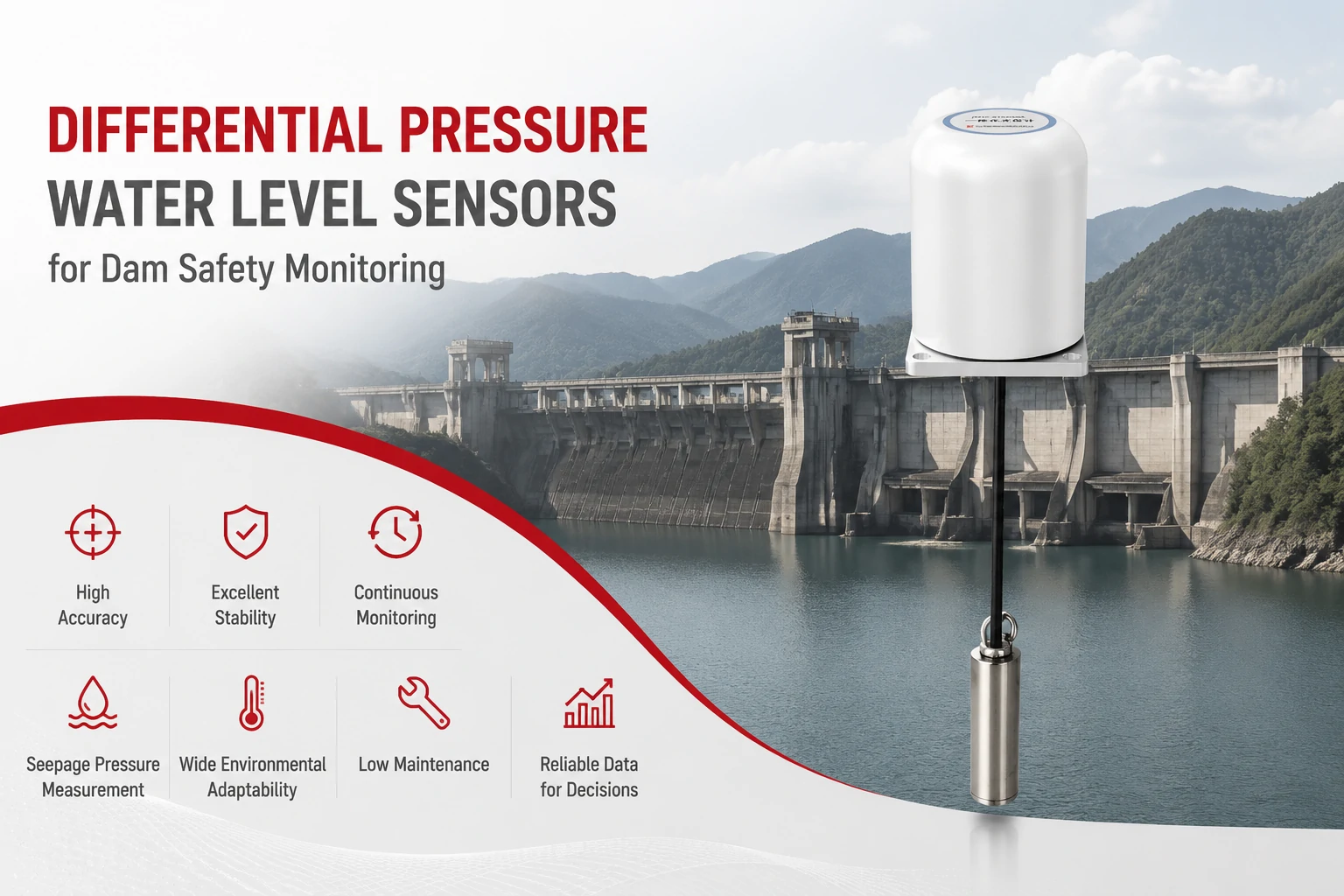
Key Takeaways The strongest fit is usually a confined, submerged, or s...
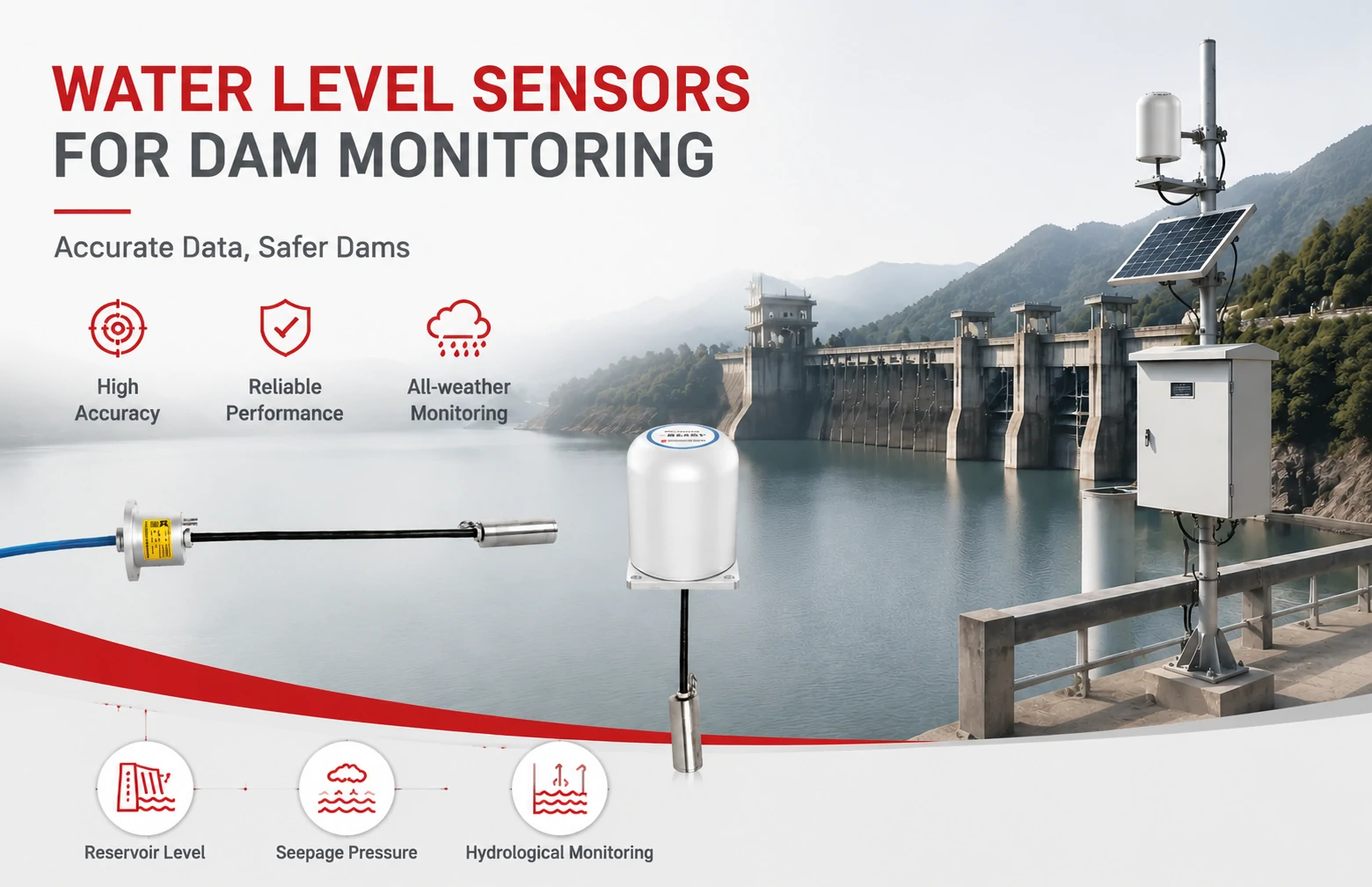
Kingmach Water Level Sensors for Dam Monitoring: A Buyer's Guide to Differential Pre...
Products
FAQ
We mostly build thin-plate weirs to ISO 1438—rectangular, V-notch, and trapezoidal. For special sites, we also do compound profiles. The weir plate is normally stainless steel, but we can switch to coated carbon steel if the water is not too aggressive. A complete package usually includes the plate, a stilling well, a water level sensor, and a display or data logger.
When installed correctly with a proper approach channel, thin-plate weirs can hold within a few percent of rated discharge. The key is keeping the crest clean and the upstream flow undisturbed. We provide dimensional inspection reports after fabrication, but field accuracy also depends on the installation—things like nappe aeration and side contraction need attention. For most irrigation or environmental monitoring, that level of consistency is plenty.
Yes, we do that often. You send us the channel cross-section, expected flow range, and any structural constraints. We pick a weir type, size the crest, and design a mounting frame that bolts or grouts into the existing concrete. If the channel shape is unusual, a compound weir might work. We keep your cutting files, so reordering is faster later.
We normally guide local technicians through the steps remotely—video calls, installation sketches, and checklists. If the project is large or remote, we can send an engineer on site, but that would need to be arranged ahead and quoted separately. Most of the time, a clear manual and a couple of calls are enough to get a weir running.
We keep a stock of spare weir plates and sensors. If something gets damaged or worn, we can ship a replacement quickly, often using the original drawings. We also offer recalibration services if you send the meter back to our shop, though many users just do a quick field check by comparing the weir reading against a portable flow meter or a bucket-and-stopwatch method.
Share your product type, target capacity, and application requirements. Our team can review the details and recommend a practical next step.
If you are interested in our products or want to become our partner.
Please leave your contact information, our team will contact you as soon as possible.
Mail: [email protected]
Contact Us: +8613808434127
Address: No. 188 Tongzipo West Rd, Changsha, Hunan, China