
 EN
EN
 ar
ar bg
bg hr
hr cs
cs da
da nl
nl fi
fi fr
fr de
de el
el hi
hi it
it ko
ko no
no pl
pl pt
pt ro
ro ru
ru es
es sv
sv tl
tl iw
iw id
id lv
lv lt
lt sr
sr sk
sk sl
sl uk
uk vi
vi et
et hu
hu th
th tr
tr fa
fa ms
ms hy
hy ka
ka ur
ur bn
bn mn
mn ta
ta kk
kk uz
uz ku
ku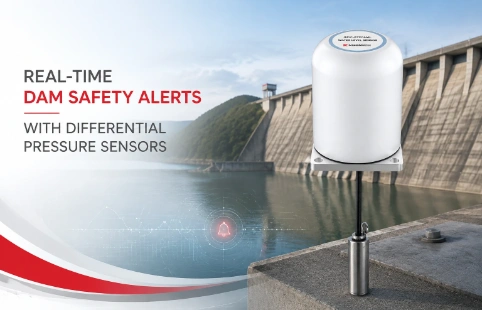
Real-Time Dam Safety Alerts with Differential Pressure Water Level Sensors
Key Takeaways An alert chain needs more than a sensor: define field in...

Precision Washer Load Cells for Critical Force Measurement
When a bolt fails on a wind turbine or a bridge bearing, the consequences go beyond a simple repair—they can shut down operations and raise safety risks. That’s where the washer load cell comes in. This compact, ring-shaped sensor sits under a bolt head or nut, directly measuring the clamping force as it’s tightened or over time. You don’t need to guess if a joint is still secure; the load cell gives you the data. Kingmach has been building these devices for years, focusing on practical reliability and easy integration. Our customers range from structural monitoring firms to heavy equipment manufacturers, and they often ask for custom sizes or unique mounting patterns. We’ve learned that no two projects are the same, so we keep our designs adaptable. In this page, we’ll walk through what makes a washer load cell useful, how Kingmach’s approach differs, and what you should look for when selecting one.
Technical Detail
Kingmach’s washer load cells are built around a simple idea: measure bolt tension directly where it matters. The sensor is a thin, ring-shaped body with strain gauges bonded inside a full Wheatstone bridge. When the bolt is tightened, the washer compresses slightly, and the bridge outputs a signal proportional to the force. This method doesn’t change the bolt’s stiffness or the joint’s behavior—a common concern with some inline load cells. We machine our load cells from high-grade stainless steel for durability and minimal drift, then seal them to IP67 or higher depending on the application. Capacities typically range from tens of kilonewtons to several hundred, covering anchor bolts, tie rods, and large machinery mounts. One feature that sets Kingmach apart is the ability to customize the washer’s inner diameter, outer diameter, and thickness to match non-standard bolt patterns. We’ve supplied sensors for tunnel segment joints, flange connections on pressure vessels, and even underwater structural monitoring. The output can be a standard mV/V signal, or we can integrate a built-in amplifier for 4-20 mA or 0-10 V, which simplifies wiring on job sites. Calibration is done individually, with a traceable certificate included. If your project involves dynamic loads, we’ll adjust the strain gauge layout to improve fatigue life. Our technical team also helps with installation—getting the load cell flat and centered is key to accurate readings—and we can provide machined load distribution plates if needed. In short, Kingmach’s washer load cells aim to be a practical, reliable choice for asset owners and engineers who need to know what’s happening at the bolted connection.
News
Key Takeaways An alert chain needs more than a sensor: define field in...
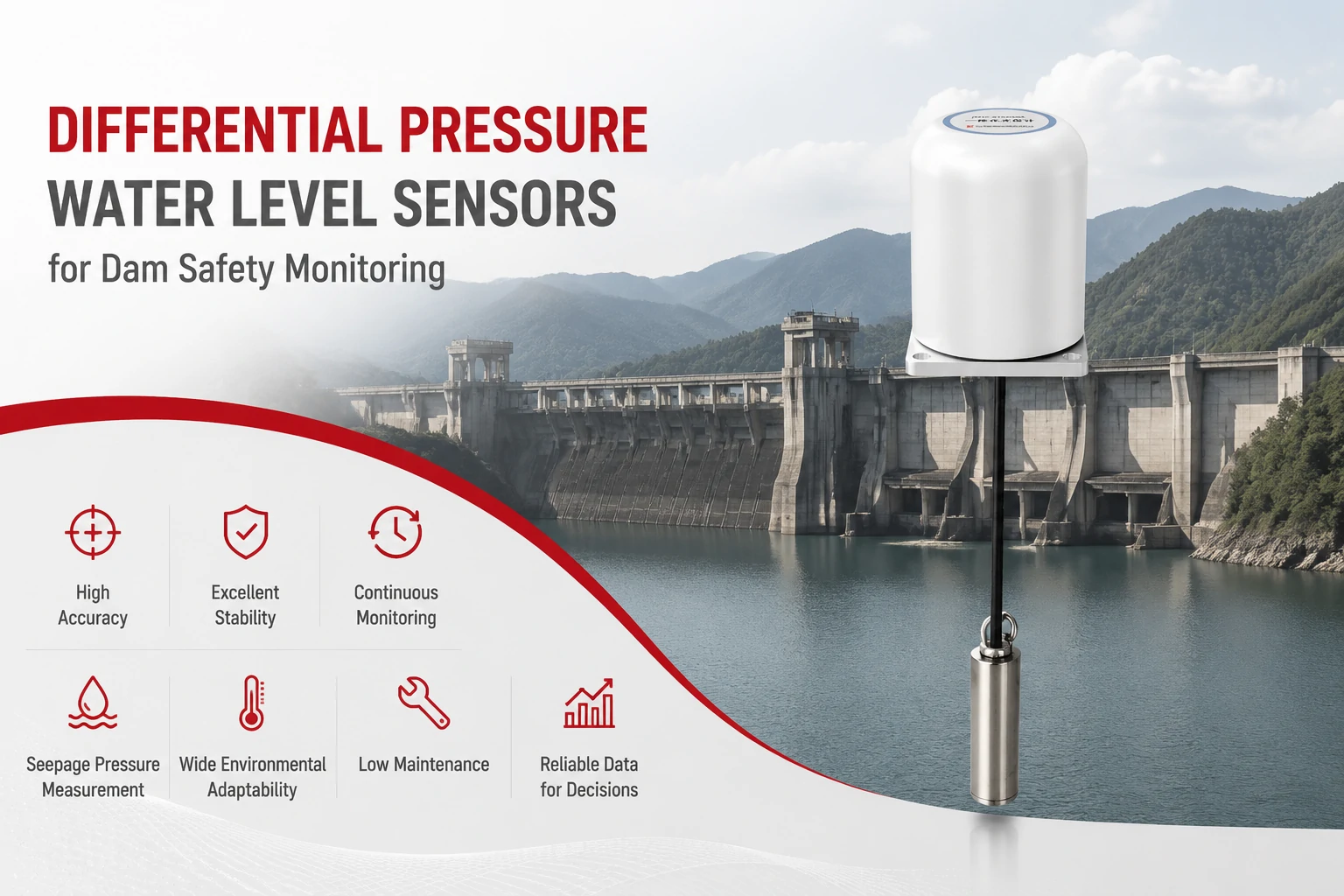
Key Takeaways The strongest fit is usually a confined, submerged, or s...
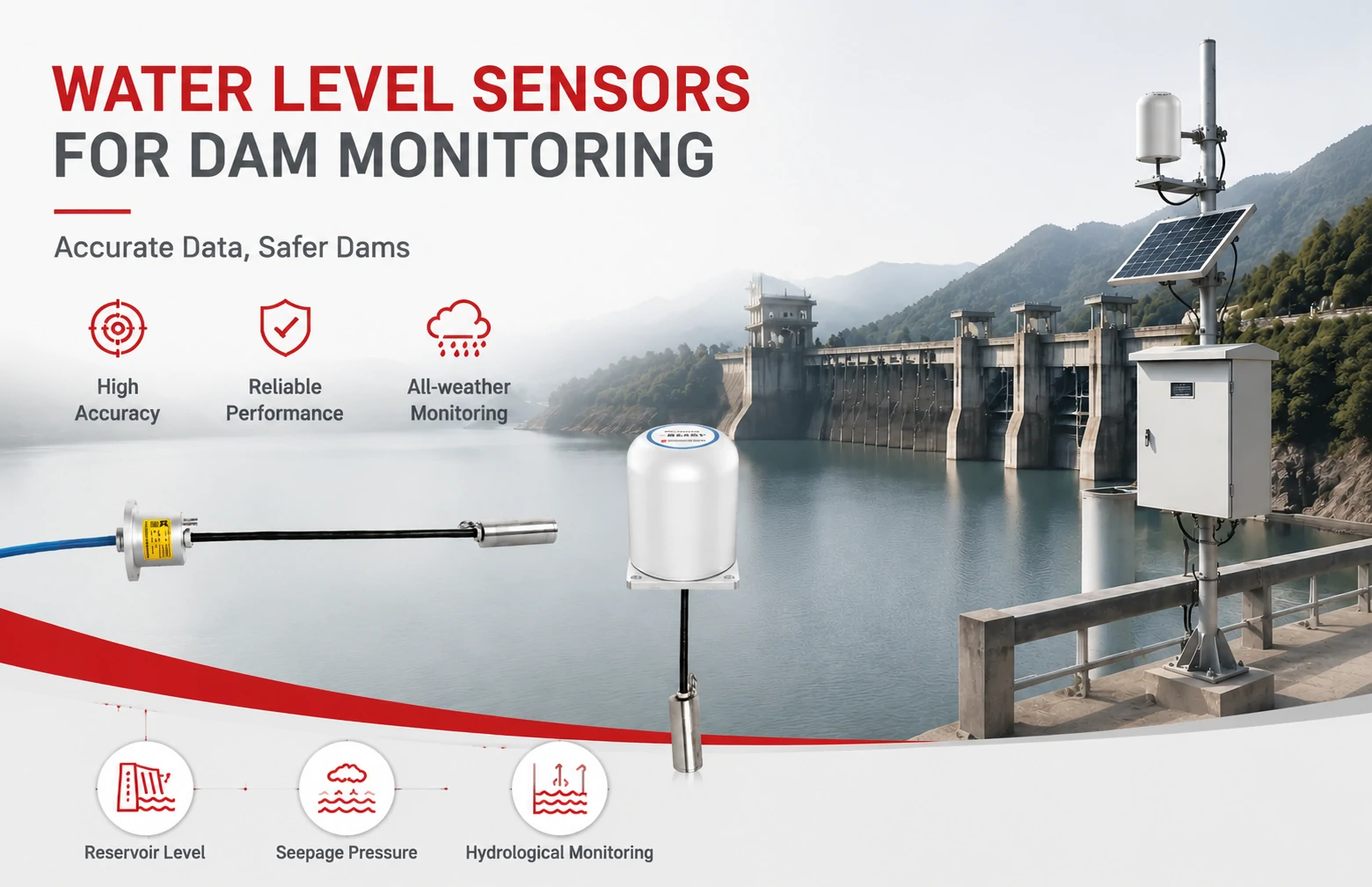
Kingmach Water Level Sensors for Dam Monitoring: A Buyer's Guide to Differential Pre...
Products
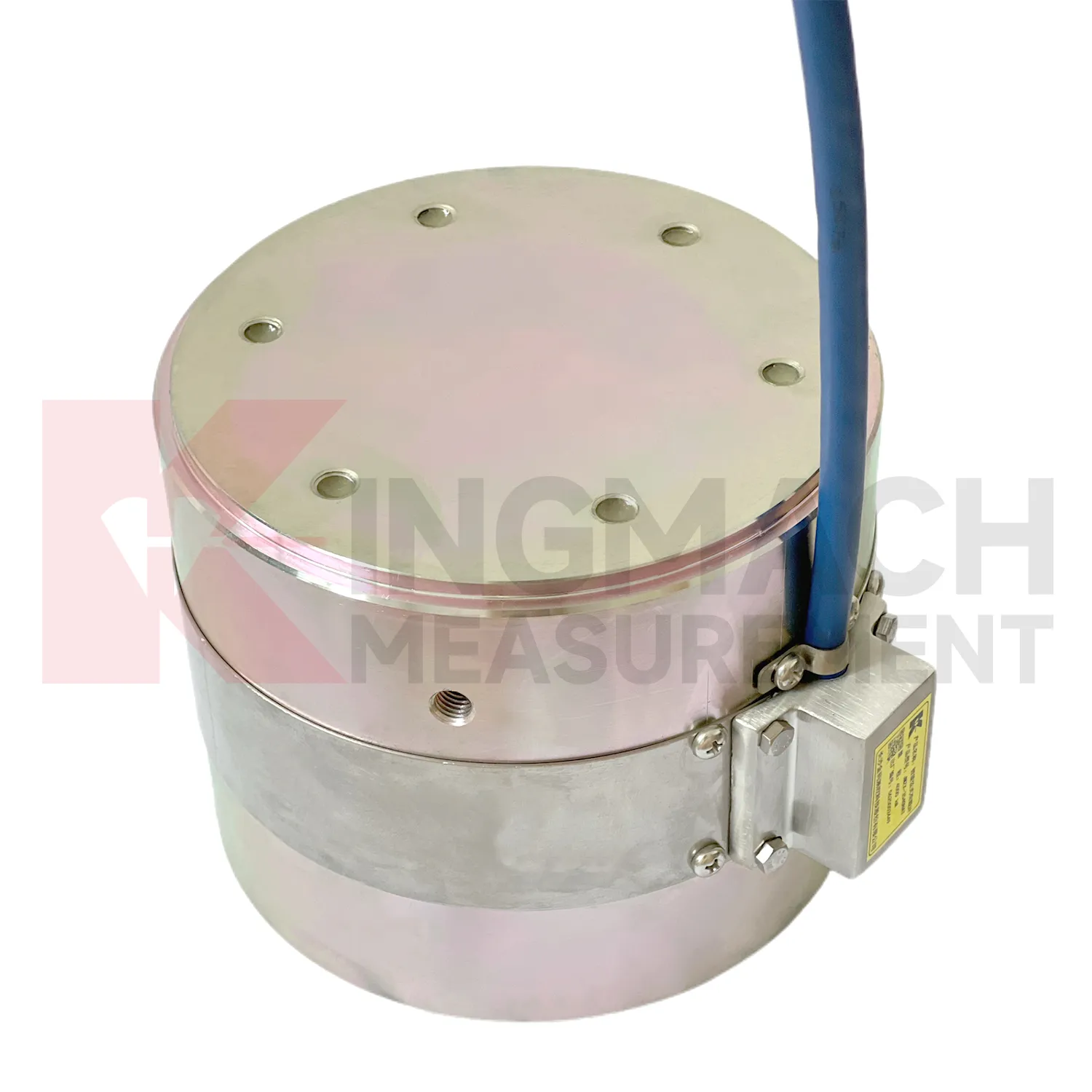
Solid load cell JMZX-34XXHAT、35XXHAT、36XXHAT
View Details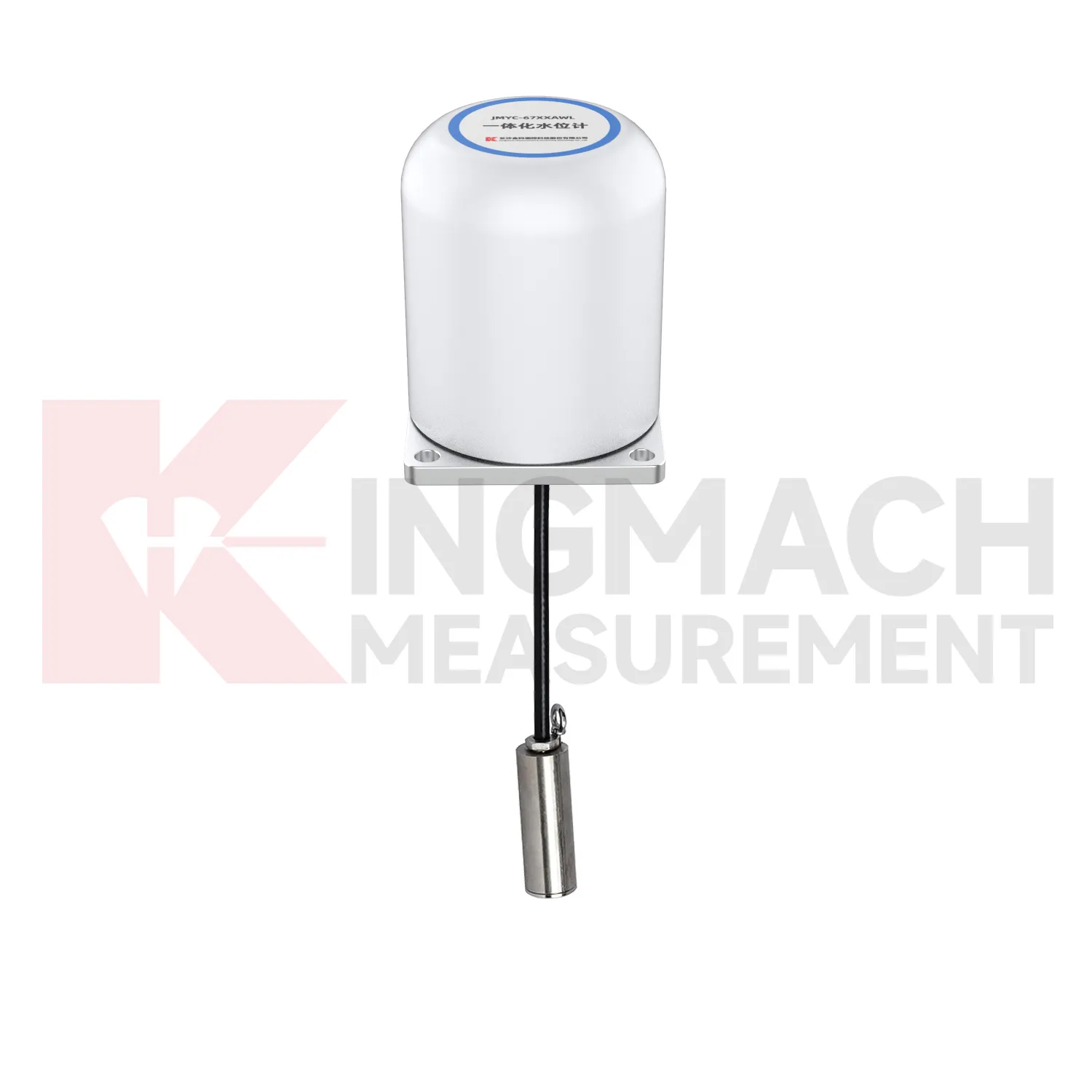
Integrated Wide-Range Differential Pressure Water Level Meter JMYC-67XXAWL
View Details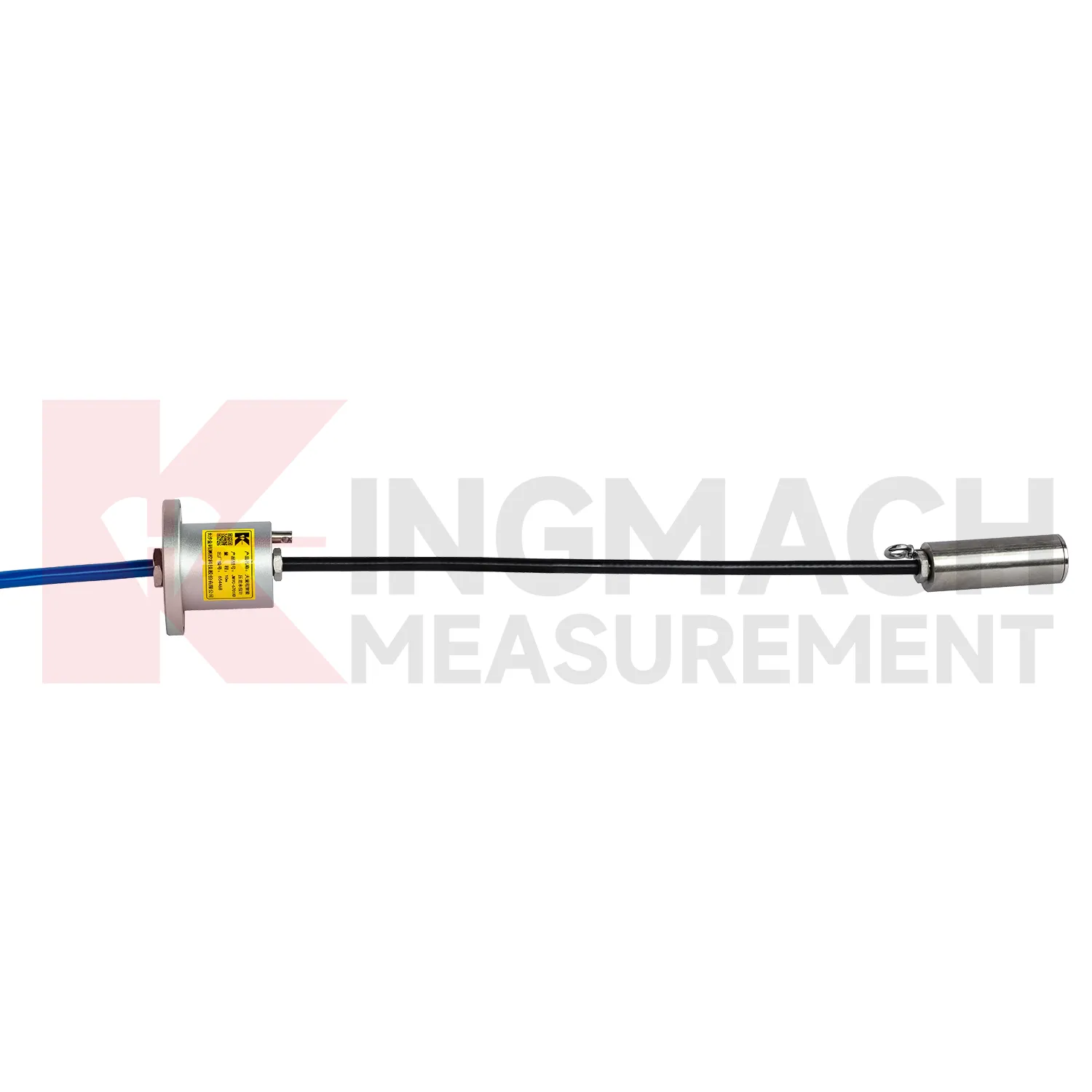
Wide-Range Smart Differential Pressure Water Level Meter JMYC-67XXAD
View DetailsFAQ
The sensor works like a precision spacer. It’s a ring of high-strength steel with strain gauges attached inside. When you tighten the bolt, the washer gets squeezed, deforming just a few micrometers. The strain gauges detect that tiny compression and convert it into an electrical signal. Kingmach designs the washer so that the deformation stays within the elastic range of the steel, meaning the sensor returns to zero when loosened. The output is linear with force, so you can easily convert millivolts to kilonewtons using the calibration sheet we provide.
Most projects need an accuracy between 0.5% and 1% of full scale, which is typical for this type of sensor. Kingmach’s standard production achieves 0.5% FS linearity and hysteresis, but we can improve that with a special calibration run if your application demands it. Every unit ships with a calibration certificate traceable to national standards, so you have the data for your acceptance tests or compliance documentation.
Yes. We seal the sensor against moisture and dust, usually to IP67, which handles temporary submersion and heavy rain. For permanent underwater use, we offer models with welded covers and subsea connectors, tested to deeper depths. The standard cable is also shielded for industrial environments. Just let us know the corrosion risks, and we’ll select the right material—typically 17-4 PH stainless, but duplex stainless is available for marine settings.
Start with your bolt’s nominal diameter and the available space. The washer load cell needs a flat, rigid surface to seat against. The inner hole must clear the bolt threads, and the outer diameter must fit within the nut’s bearing area or under the bolt head. Kingmach offers a range from 1/2” to 3” bolt sizes and can machine custom dimensions if you’re using metric or extra-large fasteners. We recommend a thickness that keeps the sensor’s strain level within its optimal range for the target load, which we can help calculate.
The base sensor gives a millivolt-per-volt signal, so you’ll need an amplifier or data logger that handles strain gauge inputs. We also build versions with an integrated mini-amplifier, providing a conditioned output like 4-20 mA, 0-5 V, or 0-10 V. That makes wiring easier on construction sites or when connecting to PLCs. For wireless monitoring, we can recommend compatible transmitters from our partners.
Share your product type, target capacity, and application requirements. Our team can review the details and recommend a practical next step.
If you are interested in our products or want to become our partner.
Please leave your contact information, our team will contact you as soon as possible.
Mail: [email protected]
Contact Us: +8613808434127
Address: No. 188 Tongzipo West Rd, Changsha, Hunan, China