
 EN
EN
 ar
ar bg
bg hr
hr cs
cs da
da nl
nl fi
fi fr
fr de
de el
el hi
hi it
it ko
ko no
no pl
pl pt
pt ro
ro ru
ru es
es sv
sv tl
tl iw
iw id
id lv
lv lt
lt sr
sr sk
sk sl
sl uk
uk vi
vi et
et hu
hu th
th tr
tr fa
fa ms
ms hy
hy ka
ka ur
ur bn
bn mn
mn ta
ta kk
kk uz
uz ku
ku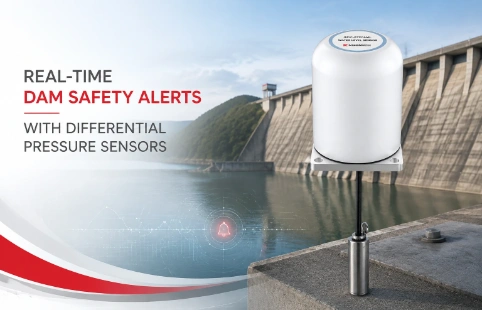
Real-Time Dam Safety Alerts with Differential Pressure Water Level Sensors
Key Takeaways An alert chain needs more than a sensor: define field in...

Vibration Data Loggers for Predictive Maintenance
When a critical pump fails without warning, the cost isn't just the repair—it's the hours of lost production. Vibration analysis has long been a frontline defense, but only if you can capture the right data over time. Most handheld spot checks miss the random surges and gradual wear patterns that lead to breakdowns. That's where dedicated vibration data loggers come in. These instruments sit on your machinery, recording acceleration, velocity, and displacement continuously, building a history that reveals early signs of imbalance, misalignment, or bearing defects. At Kingmach, we've focused on bringing this capability within reach for mid-sized operations. Our loggers are built to survive dusty plant floors and temperature swings, with storage for months of data and interfaces that play nice with your existing CMMS or PLC. Instead of forcing you into a one-size-fits-all package, we offer sensor options and firmware tweaks to match the monitoring you actually need—whether it's a slow-turning gearbox or a high-speed spindle. The result is a tool that helps maintenance teams stop reacting and start scheduling, without the complexity or cost of larger monitoring systems.
Technical Detail
Vibration data loggers from Kingmach are designed for long-term deployment on rotating equipment where continuous trending is more valuable than periodic spot measurements. The core hardware is built around a rugged aluminum enclosure rated for IP65 environments, with internal memory that accepts months of triaxial acceleration data at user-defined intervals. Sampling rates can typically be configured from 1 Hz up to several kHz to capture both low-speed phenomena—like structural resonance—and high-frequency bearing tones. Users connect standard ICP-type accelerometers via M12 or BNC connectors, and the supply of constant current excitation is managed by the logger itself. For field flexibility, units run on industrial-grade lithium batteries, often exceeding a year of service under typical 10-minute logging cycles. Data retrieval is straightforward: either swap a USB drive on-site or use the RS-485 Modbus interface to feed readings directly into a plant SCADA system. Kingmach pays special attention to compatibility. The accompanying software exports time-waveform and FFT files in common formats (CSV, UFF) so that analysis can be performed in your preferred platform, whether that's Python, MATLAB, or a dedicated vibration analysis package. Because we manufacture in-house, customization is practical. You might need a specific filter setting to focus on gear mesh frequencies, or a larger storage capacity for remote off-grid sites—these adjustments are part of our standard engineering conversation. Technical support is provided from the first inquiry through commissioning, and our global distribution network ensures spares and sensor accessories are available without long lead times. Rather than chasing features that only a few labs require, Kingmach vibration data loggers concentrate on reliability and data integrity for everyday industrial maintenance.
News
Key Takeaways An alert chain needs more than a sensor: define field in...
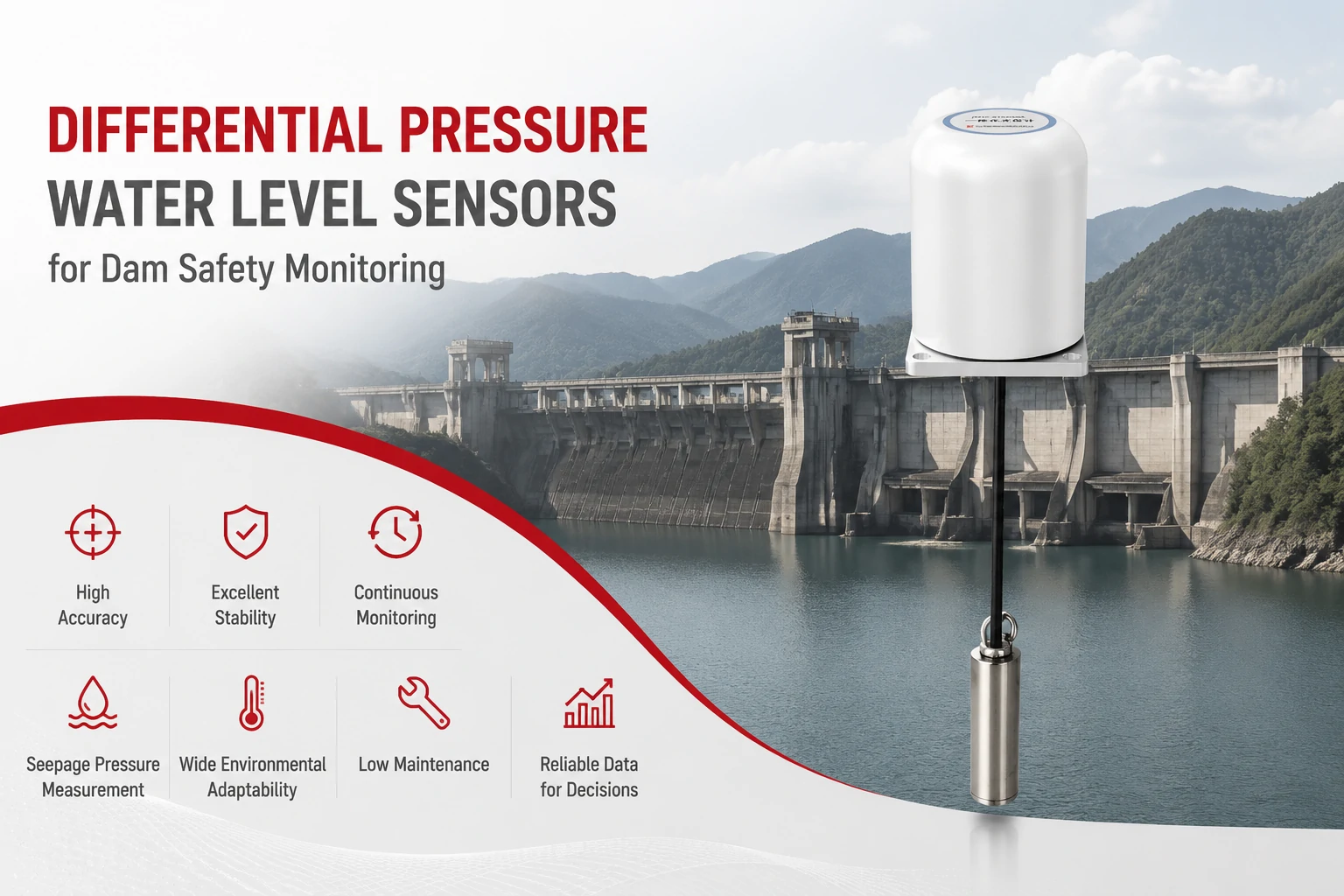
Key Takeaways The strongest fit is usually a confined, submerged, or s...
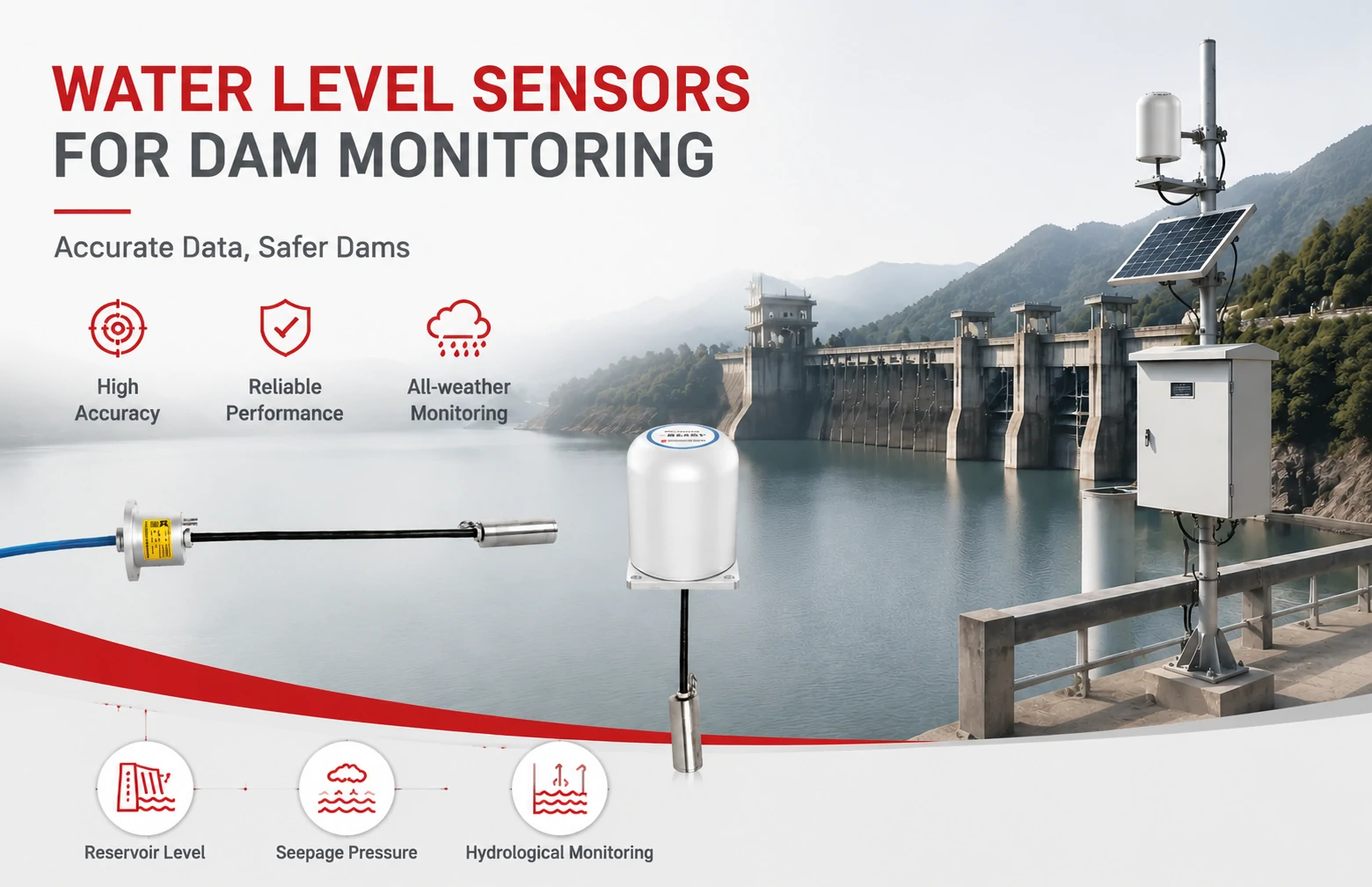
Kingmach Water Level Sensors for Dam Monitoring: A Buyer's Guide to Differential Pre...
Products
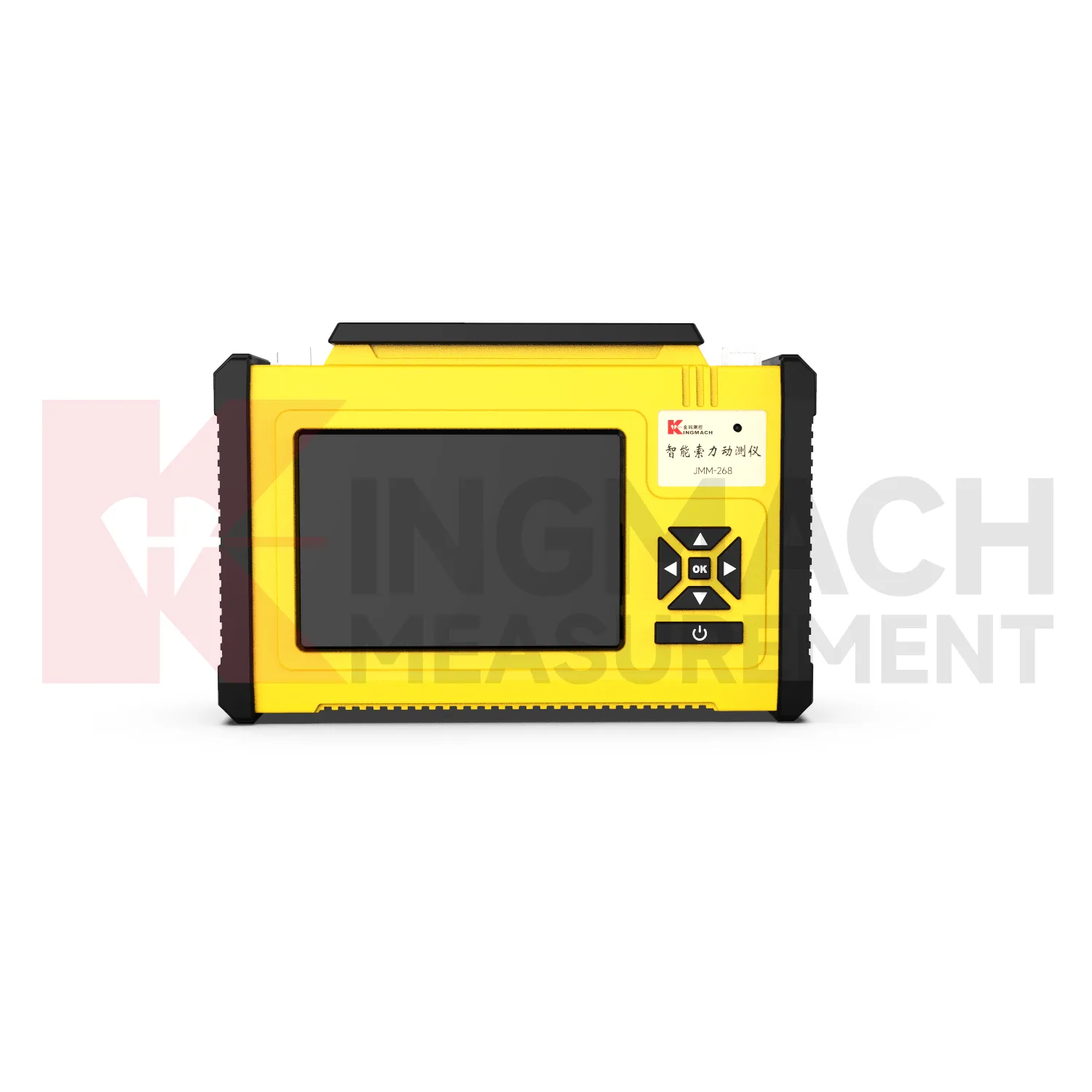
Cable force measuring instrument JMM-268L-1、2
View Details
Wireless Data Logger (low power consumption design) JMWX-5RTU
View Details
FAQ
Our loggers accept standard ICP (IEPE) accelerometers with constant current excitation, typically in the range of 2-10 mA at 24 V. Connections are via M12 or BNC, so most industrial accelerometers from major brands will match. We can also supply the sensors if you prefer a single source.
Yes. The logger records time-waveform data that exports as CSV or UFF files. You can import these into common platforms like MATLAB, Python, or dedicated vibration analysis software. The configuration utility also generates basic trend plots and FFTs if you just need a quick check.
Battery life depends on the logging interval and sensor draw. Under typical settings—a 10-minute measurement cycle with one triaxial sensor—the internal lithium pack often runs for over a year. For remote sites, we can quote larger external battery packs or solar options.
Absolutely. Since we design and build in-house, we can set the sampling rates, anti-aliasing filters, and even firmware logic to match your machine speed or fault frequencies. Just let us know the equipment details, and we'll propose a configuration.
The simple way is to plug in a USB memory stick—the logger can copy its stored data automatically while continuing to record. Alternatively, if you have a Modbus network, the RS-485 port allows continuous data streaming to your SCADA or PLC without interrupting the logging schedule.
Share your product type, target capacity, and application requirements. Our team can review the details and recommend a practical next step.
If you are interested in our products or want to become our partner.
Please leave your contact information, our team will contact you as soon as possible.
Mail: [email protected]
Contact Us: +8613808434127
Address: No. 188 Tongzipo West Rd, Changsha, Hunan, China