
 EN
EN
 ar
ar bg
bg hr
hr cs
cs da
da nl
nl fi
fi fr
fr de
de el
el hi
hi it
it ko
ko no
no pl
pl pt
pt ro
ro ru
ru es
es sv
sv tl
tl iw
iw id
id lv
lv lt
lt sr
sr sk
sk sl
sl uk
uk vi
vi et
et hu
hu th
th tr
tr fa
fa ms
ms hy
hy ka
ka ur
ur bn
bn mn
mn ta
ta kk
kk uz
uz ku
ku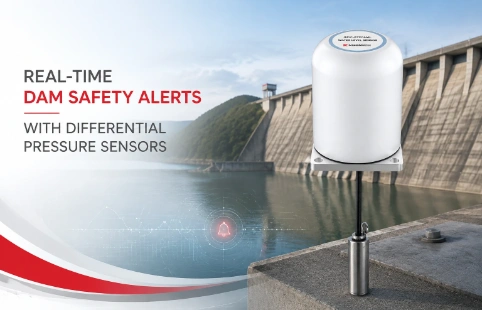
Real-Time Dam Safety Alerts with Differential Pressure Water Level Sensors
Key Takeaways An alert chain needs more than a sensor: define field in...

Strain Gauges That Fit Real Geotechnical Demands
Most strain gauge catalogs read the same—lists of ranges, temperatures, and grids. But on a job site, what matters is whether the gauge holds up in wet concrete or keeps reading true after months in the ground. Kingmach has been supplying geotechnical instruments long enough to know that specs only tell half the story. The other half is about how the gauge is built, how it installs, and what happens when conditions drift from the datasheet. Our strain gauges start from field feedback, not just lab tests, so you get sensors that work as expected when embedded in piles, shotcrete, or tunnel linings.
Technical Detail
Kingmach offers a range of strain gauges designed specifically for geotechnical and structural monitoring. Instead of one generic model, we supply different types to match the job: embedment strain gauges for concrete and grout, spot-weldable gauges for steel surfaces, and arc-weldable gauges where rugged attachment is needed. Each type is built around a common sensing technology—vibrating wire or electrical resistance—chosen for long-term stability and noise immunity. The vibrating wire models, for example, give frequency-based readings that travel long cable runs without signal loss, which is practical for dam, foundation, or tunnel monitoring. Resistance gauges are more suited for dynamic measurements or tight spaces where quick response is key.\n\nMany of our gauges include built-in temperature sensors for correction, and we can supply them with a variety of cable lengths and connector options to fit your data logger setup. Customization is a big part of what we do. If a standard gauge doesn’t quite match the reinforcement bar diameter, the concrete mix, or the mounting surface, we can adjust the gauge length, protection, or mounting method. This reduces installation headaches and data gaps.\n\nBecause we also make companion readout units, data loggers, and other geotechnical sensors, the strain gauges integrate smoothly into broader monitoring networks. We’ve seen them used in everything from bridge pier strain monitoring during construction to long-term crack movement studies on tunnels. When you get in touch, our support team usually asks about your project details first—material, environment, required accuracy—so we can help you pick the right gauge, not just the one in stock.
News
Key Takeaways An alert chain needs more than a sensor: define field in...
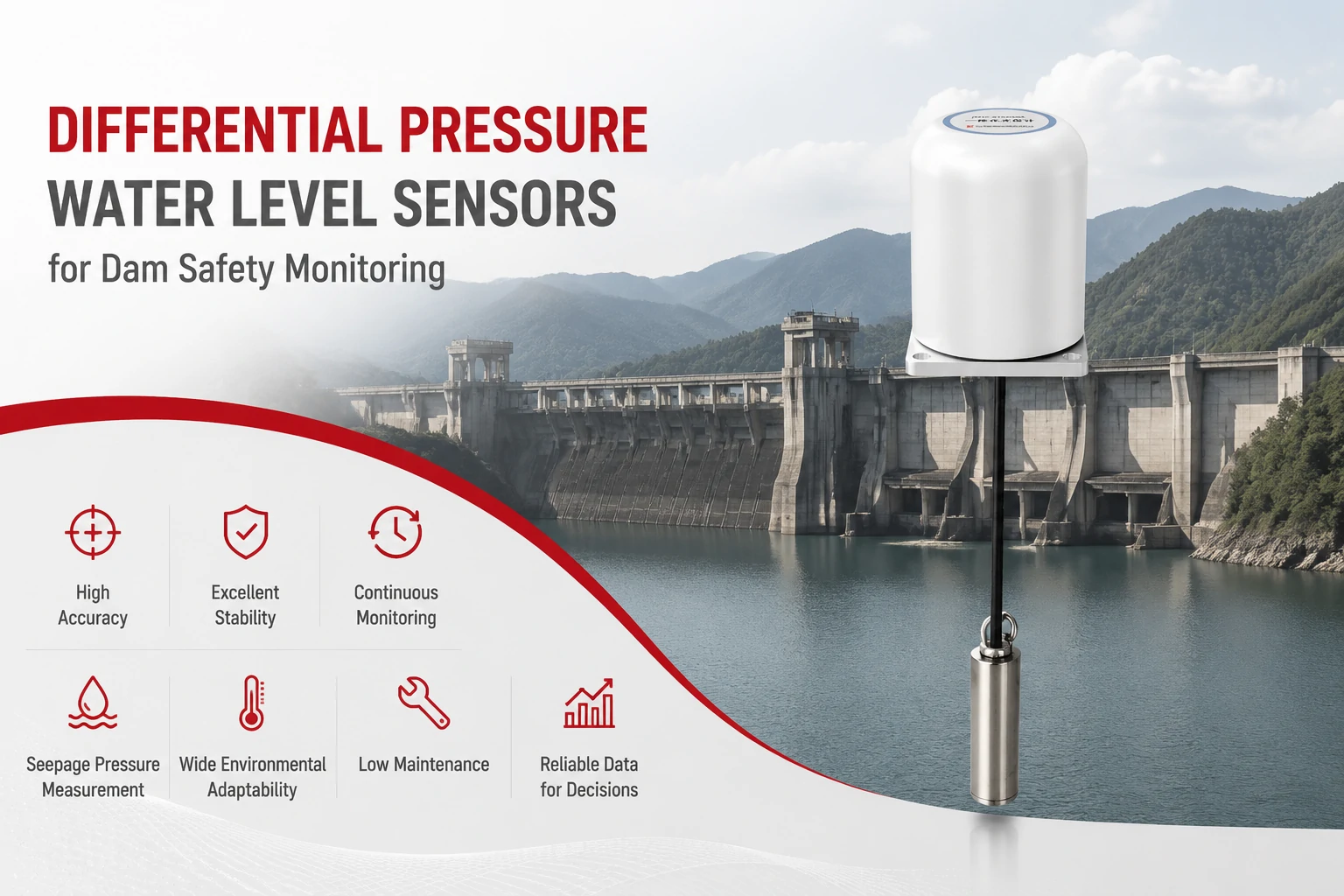
Key Takeaways The strongest fit is usually a confined, submerged, or s...
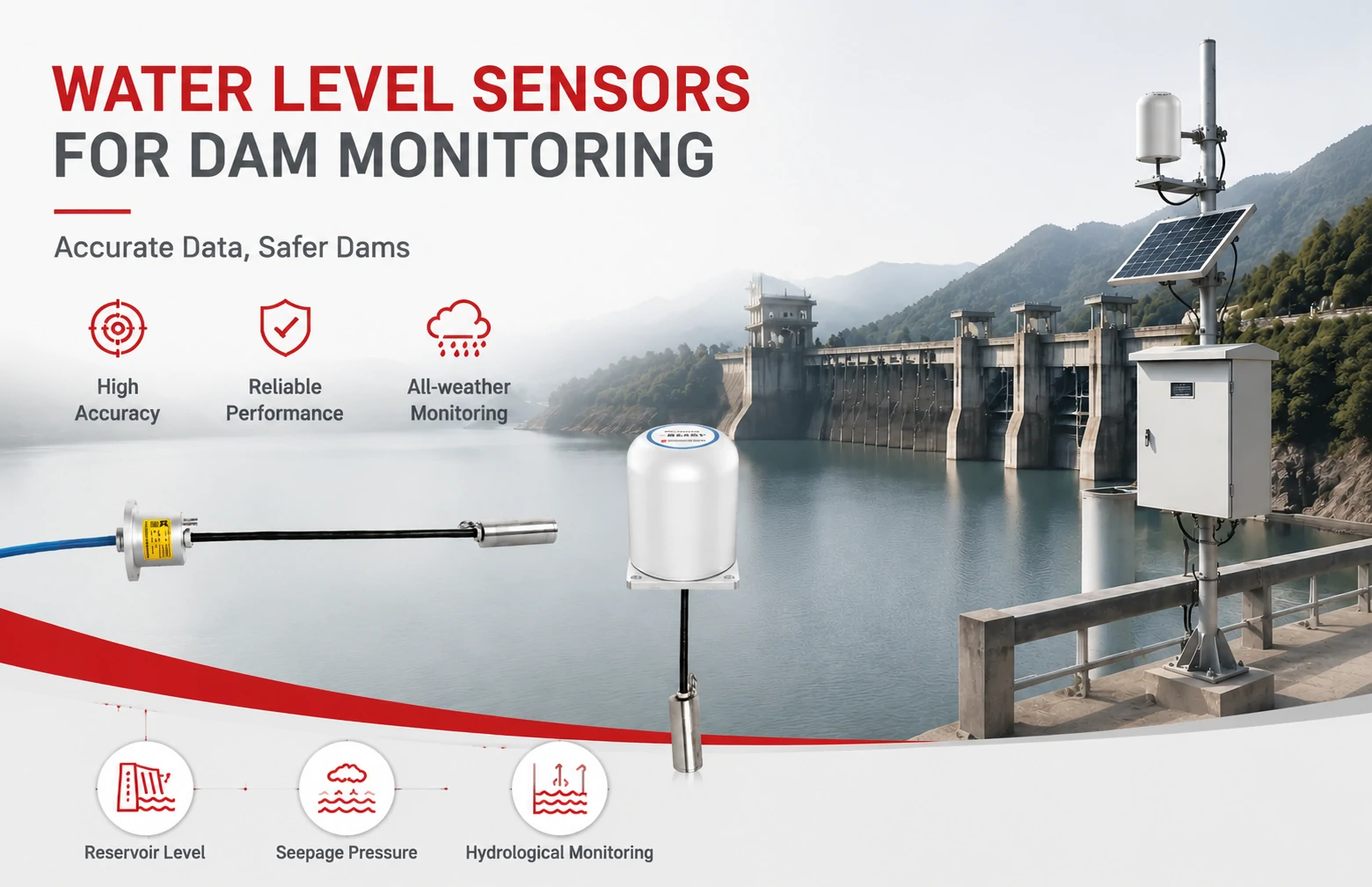
Kingmach Water Level Sensors for Dam Monitoring: A Buyer's Guide to Differential Pre...
Products
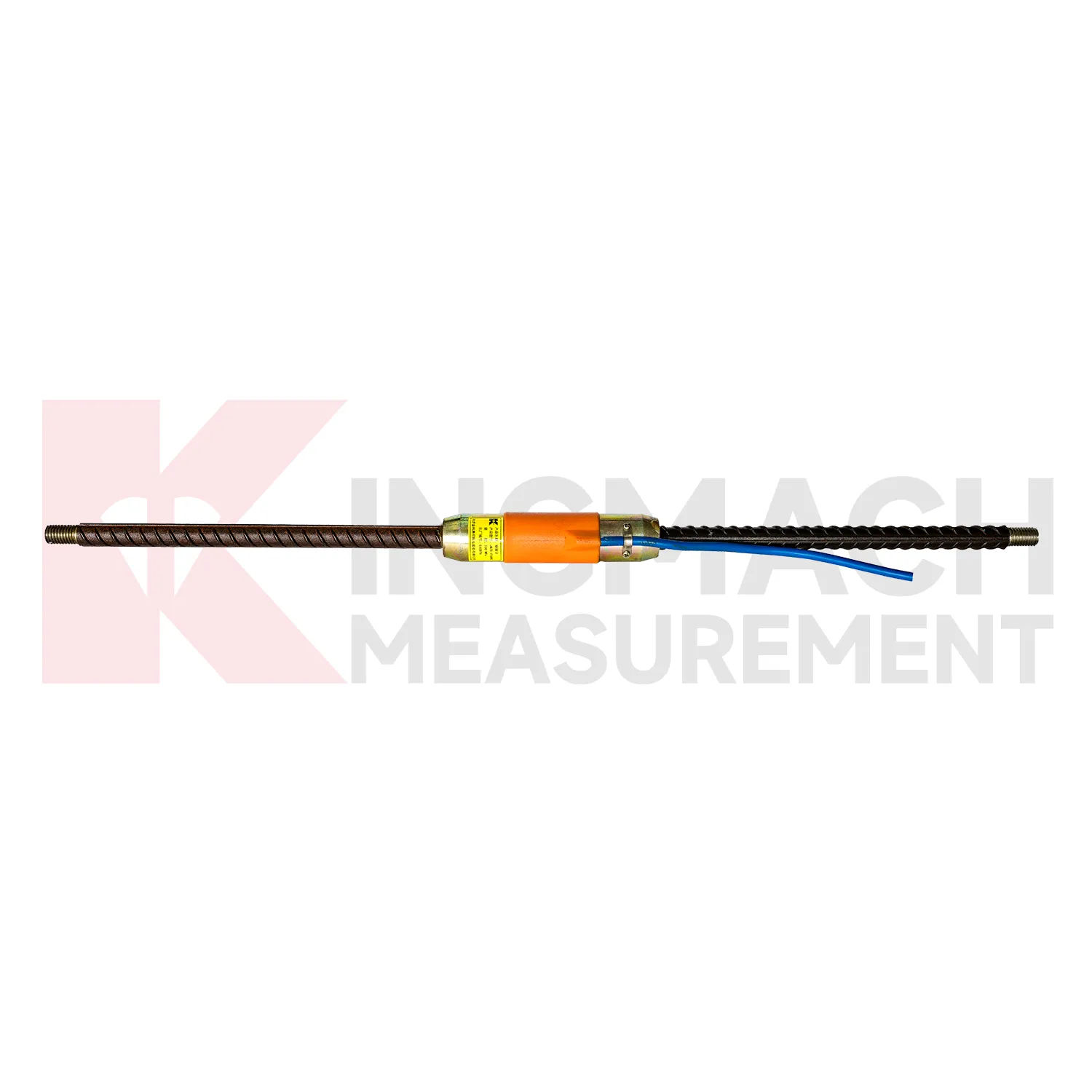
Rebar Strainmeters ( VW & Smart Type) JMZX-4XXHAT/HB
View Details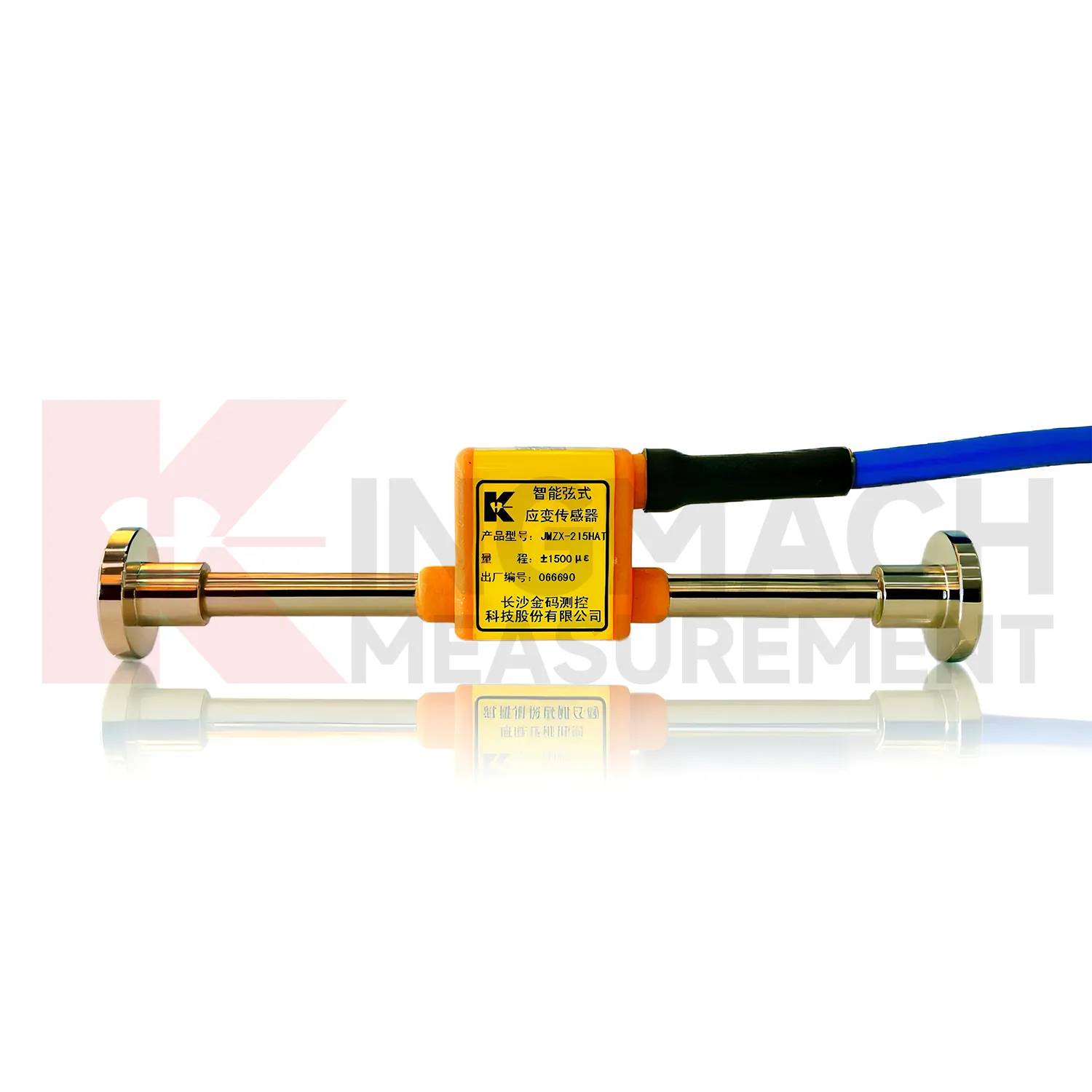
Smart vibrating wire strain gauge (embedment model) JMZX-215HA/215HAT/HB
View Details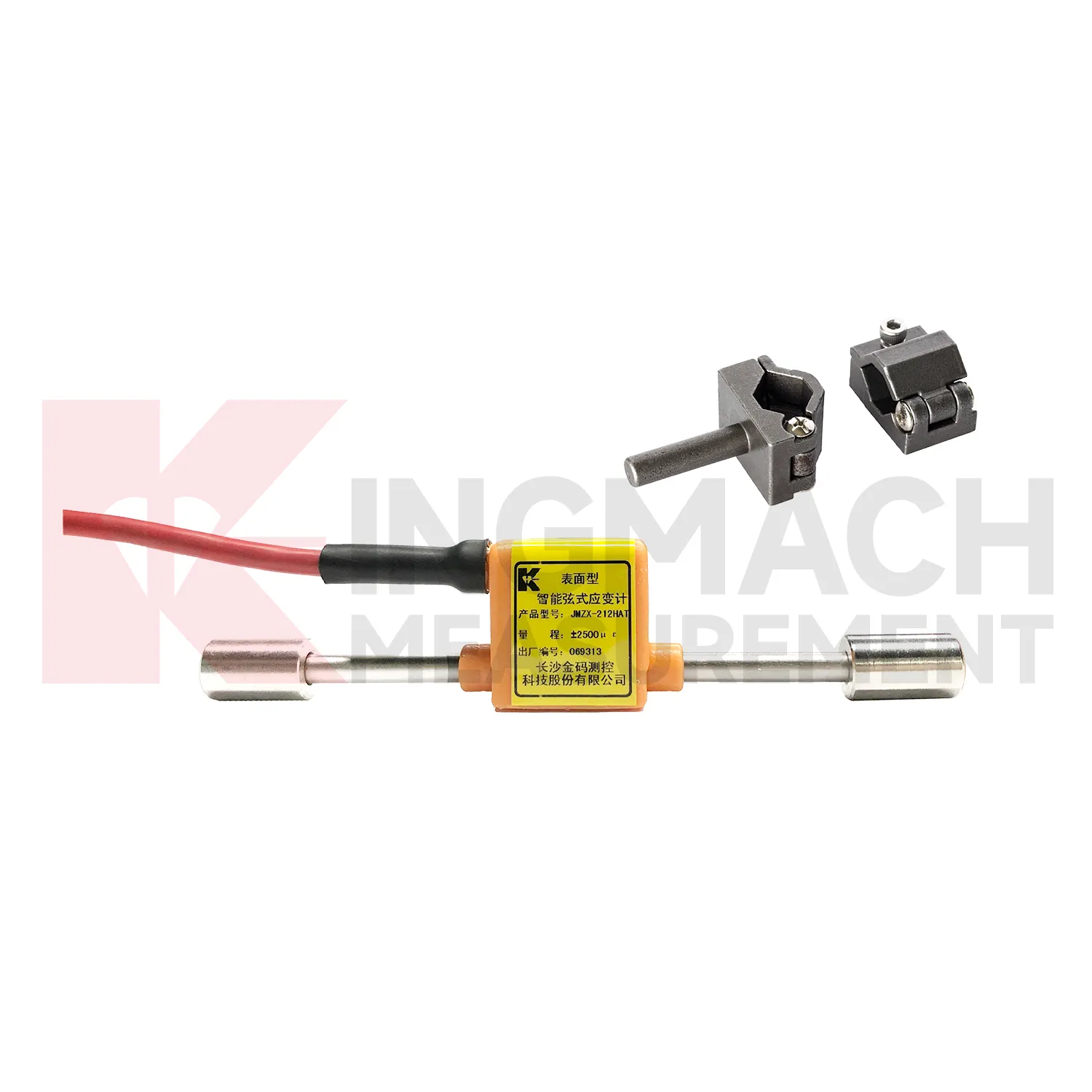
Smart vibrating wire strain gauge (surface model) JMZX-212HAT/HB
View DetailsFAQ
We mainly supply embedment gauges for concrete and grout, spot-weldable gauges for steel surfaces, and arc-weldable gauges for heavy-duty applications. The sensing element can be vibrating wire or electrical resistance, depending on whether you need long-term stability or fast dynamic response.
Yes. We often adjust gauge length, protection layers, cable exits, or mounting brackets to suit rebar sizes, high-alkaline concrete, or underwater installations. Let us know your requirements and we’ll propose a variant.
Vibrating wire gauges give frequency outputs that don’t degrade over long cable distances, making them ideal for static, long-term monitoring in dams or tunnels. Resistance gauges react quicker and are better for dynamic strain or when you need a smaller sensor. Power considerations also apply.
Many of our vibrating wire models have a built-in thermistor to measure temperature alongside strain. This lets you correct for thermal effects manually or through your data logger’s software.
We provide mounting instructions, wiring diagrams, and typical calibration factors. If you’re using our readout equipment, we can help set up strain channels and temperature correction. For unusual setups, our engineers often review installation photos and suggest adjustments.
Share your product type, target capacity, and application requirements. Our team can review the details and recommend a practical next step.
If you are interested in our products or want to become our partner.
Please leave your contact information, our team will contact you as soon as possible.
Mail: [email protected]
Contact Us: +8613808434127
Address: No. 188 Tongzipo West Rd, Changsha, Hunan, China