
 EN
EN
 ar
ar bg
bg hr
hr cs
cs da
da nl
nl fi
fi fr
fr de
de el
el hi
hi it
it ko
ko no
no pl
pl pt
pt ro
ro ru
ru es
es sv
sv tl
tl iw
iw id
id lv
lv lt
lt sr
sr sk
sk sl
sl uk
uk vi
vi et
et hu
hu th
th tr
tr fa
fa ms
ms hy
hy ka
ka ur
ur bn
bn mn
mn ta
ta kk
kk uz
uz ku
ku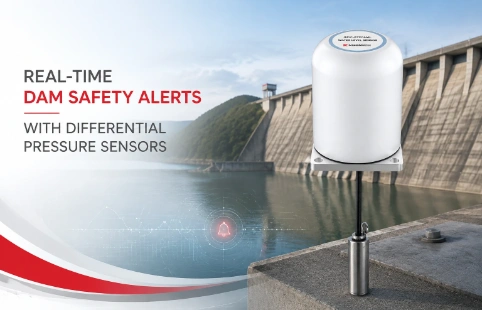
Real-Time Dam Safety Alerts with Differential Pressure Water Level Sensors
Key Takeaways An alert chain needs more than a sensor: define field in...

Strain Gauge Weight Sensor Factory: Precision Manufacturing
Kingmach builds strain gauge weight sensors at a factory that has spent over a decade refining measurement technology. Instead of starting with generic weighing components, we came at it through geotechnical monitoring — an area where strain gauges routinely survive harsh outdoor conditions and still deliver stable microstrain data. That background shows up in how we approach sensor design: hermetic sealing, temperature-compensated bridges, and fatigue-resistant foil patterns come standard in our production. The factory runs multiple SMT and bonding lines, and every order passes through a calibration rig traceable to national standards. Because we keep engineering and assembly under one roof, turnaround for custom configurations is often faster than customers expect. If your project needs a certain capacity, footprint, or cable length, the team here can usually work it in without retooling delays. This is not a catalog-only operation; it is a technical manufacturing floor that handles strain gauge weight sensors from blank flexures to final shipment.
Technical Detail
Kingmach’s facility operates as a focused strain gauge weight sensor factory, producing both single-point and planar beam load cells in capacities from a few kilograms up to 50 tonnes. The production area is organized into metalwork, gauge bonding, compensation and potting, and final testing — a layout that came out of years of building geotechnical instruments where stability matters more than speed. A few details that set operations apart: all foil strain gauges are matched to the spring element’s thermal coefficient before bonding, reducing drift in the field. We use polyurethane and stainless steel housings depending on the intended environment, and standard IP ratings go up to IP68 for submersible sensors. OEM clients often ask for non-standard bolt patterns or custom thread sizes, and the in-house CNC bench handles those modifications without pushing lead times too far. On the quality side, the factory holds ISO 9001 certification, and each sensor leaves with a calibration certificate showing linearity, hysteresis, and repeatability data. Global logistics are straightforward — we ship to over 40 countries, mostly via air freight for time-sensitive instrumentation projects. Technical support does not stop at the packing list; engineers who work on the production floor also answer after-sales questions, so the person replying to your email likely touched the sensor you are installing. Whether you need a basic weighing cell for a check weigher or a custom fatigue-rated sensor for a structural monitoring network, the manufacturing approach stays the same: build it to the spec, test it under real loads, and stand behind the values on the data sheet.
News
Key Takeaways An alert chain needs more than a sensor: define field in...
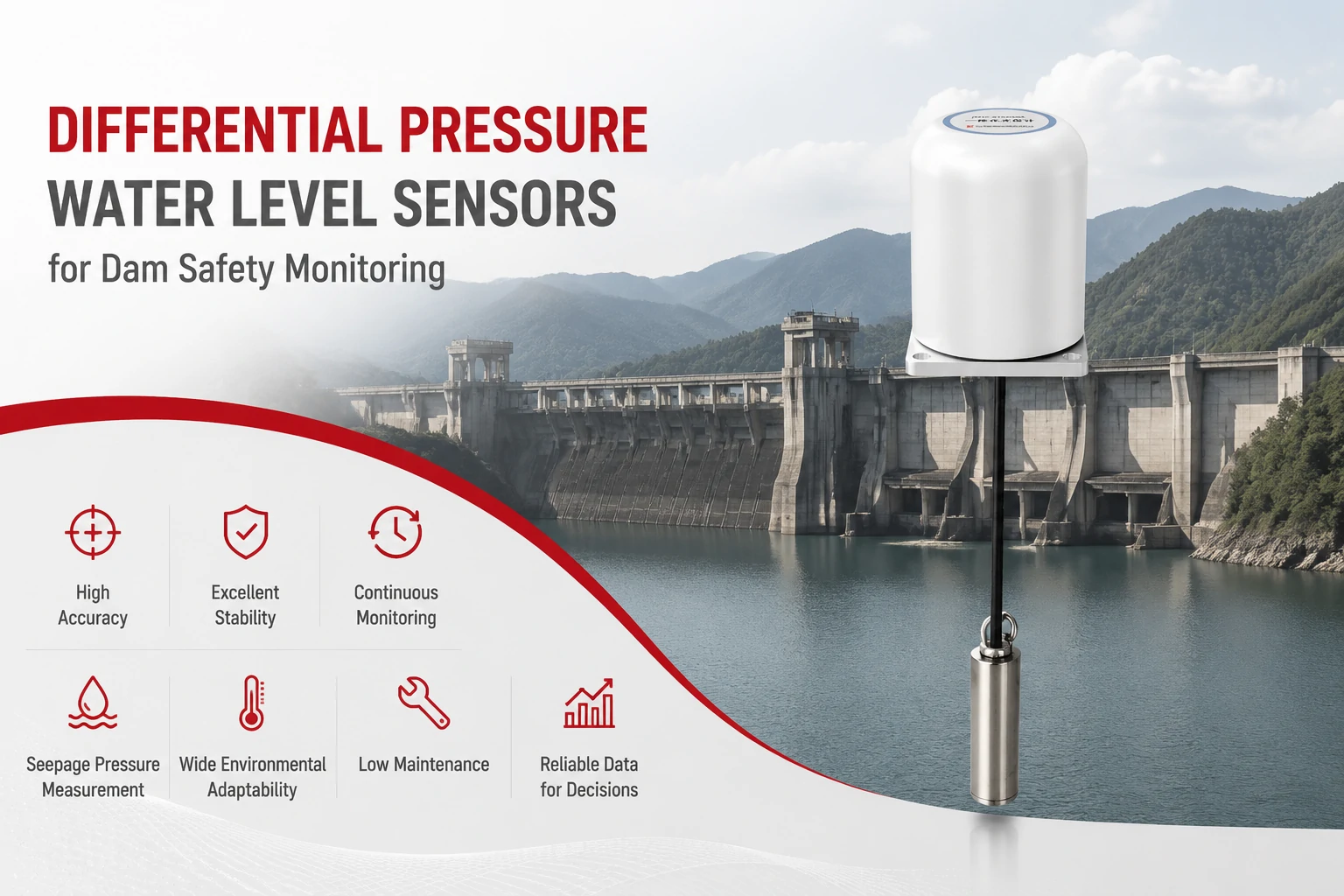
Key Takeaways The strongest fit is usually a confined, submerged, or s...
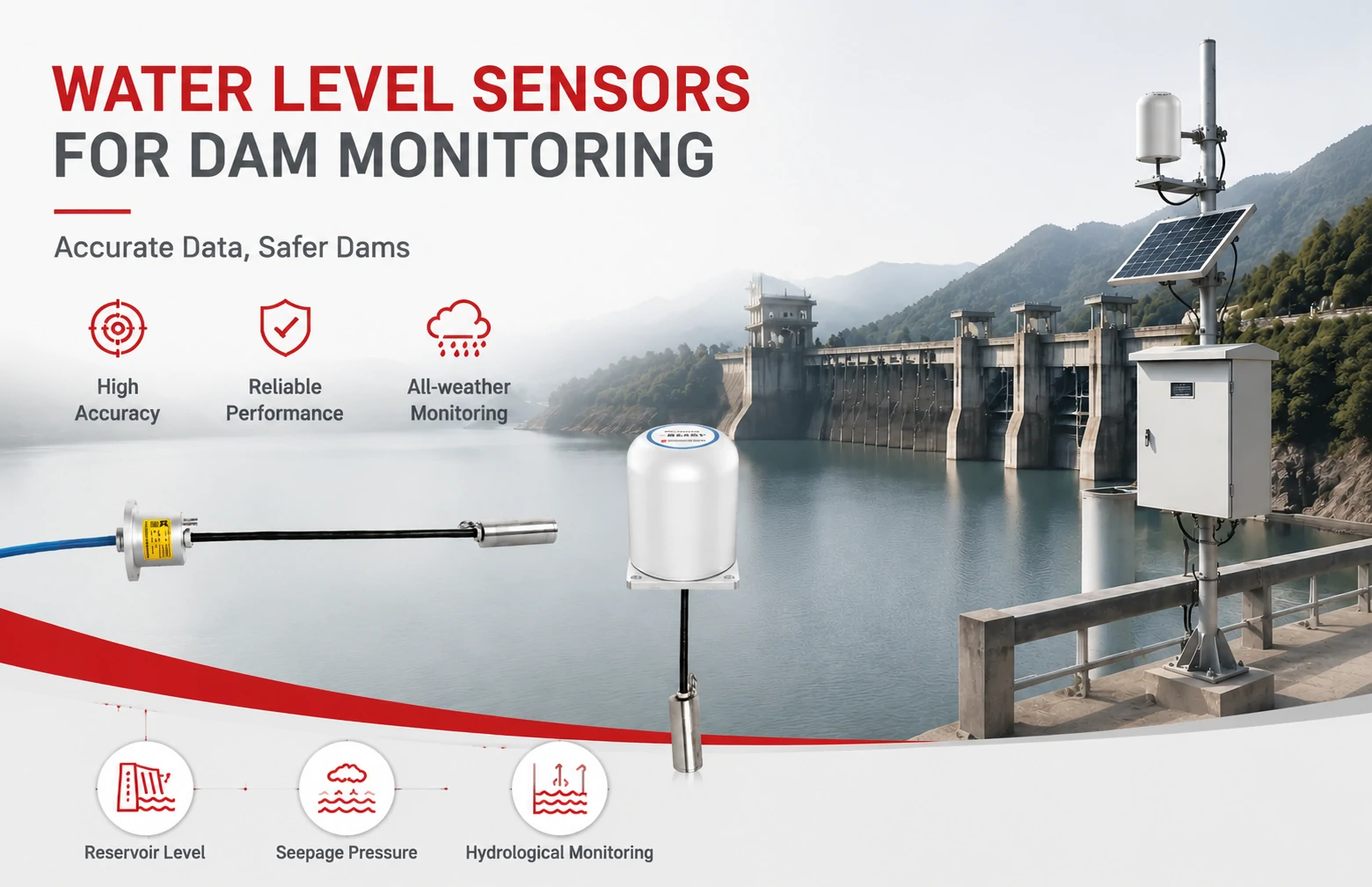
Kingmach Water Level Sensors for Dam Monitoring: A Buyer's Guide to Differential Pre...
Products
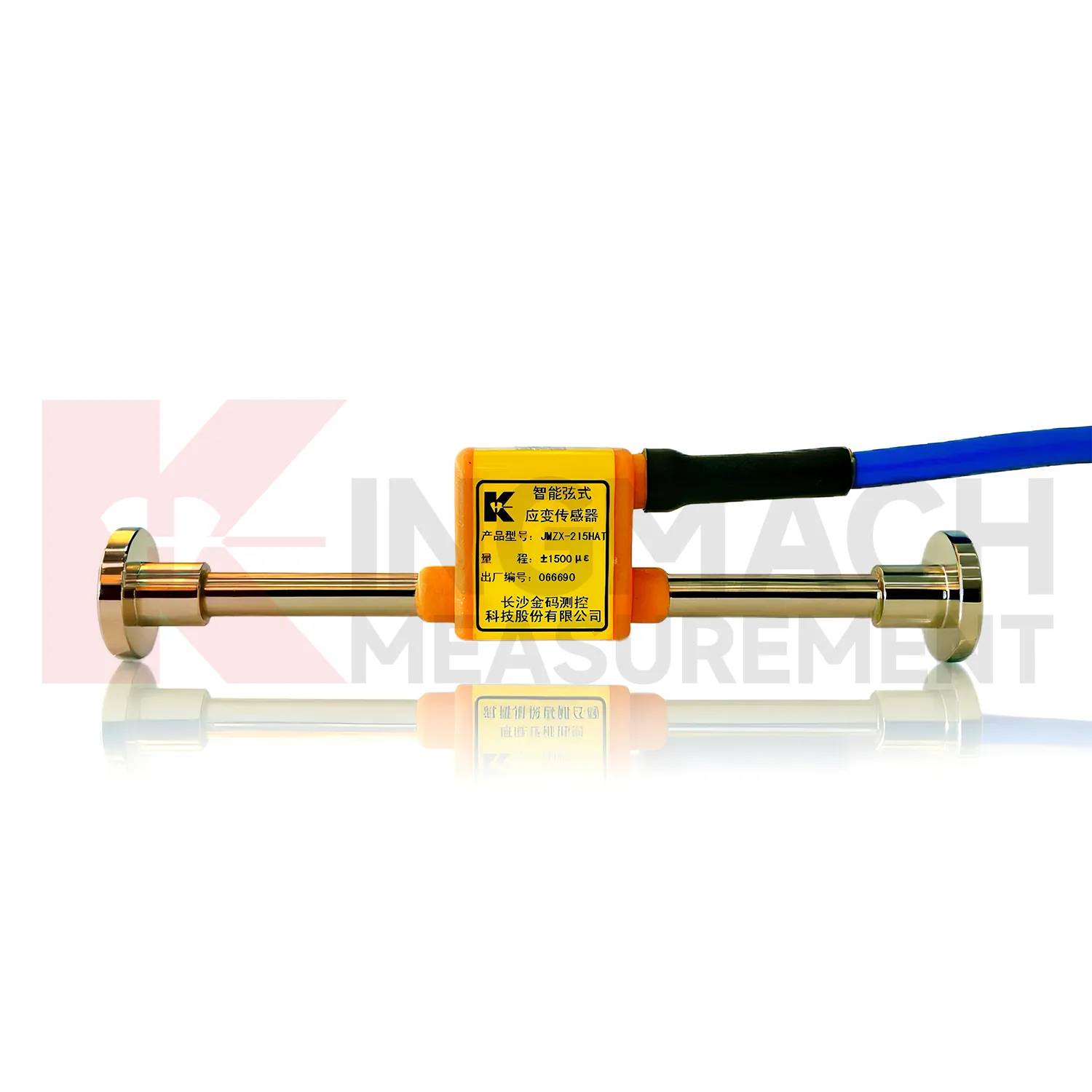
Smart vibrating wire strain gauge (embedment model) JMZX-215HA/215HAT/HB
View Details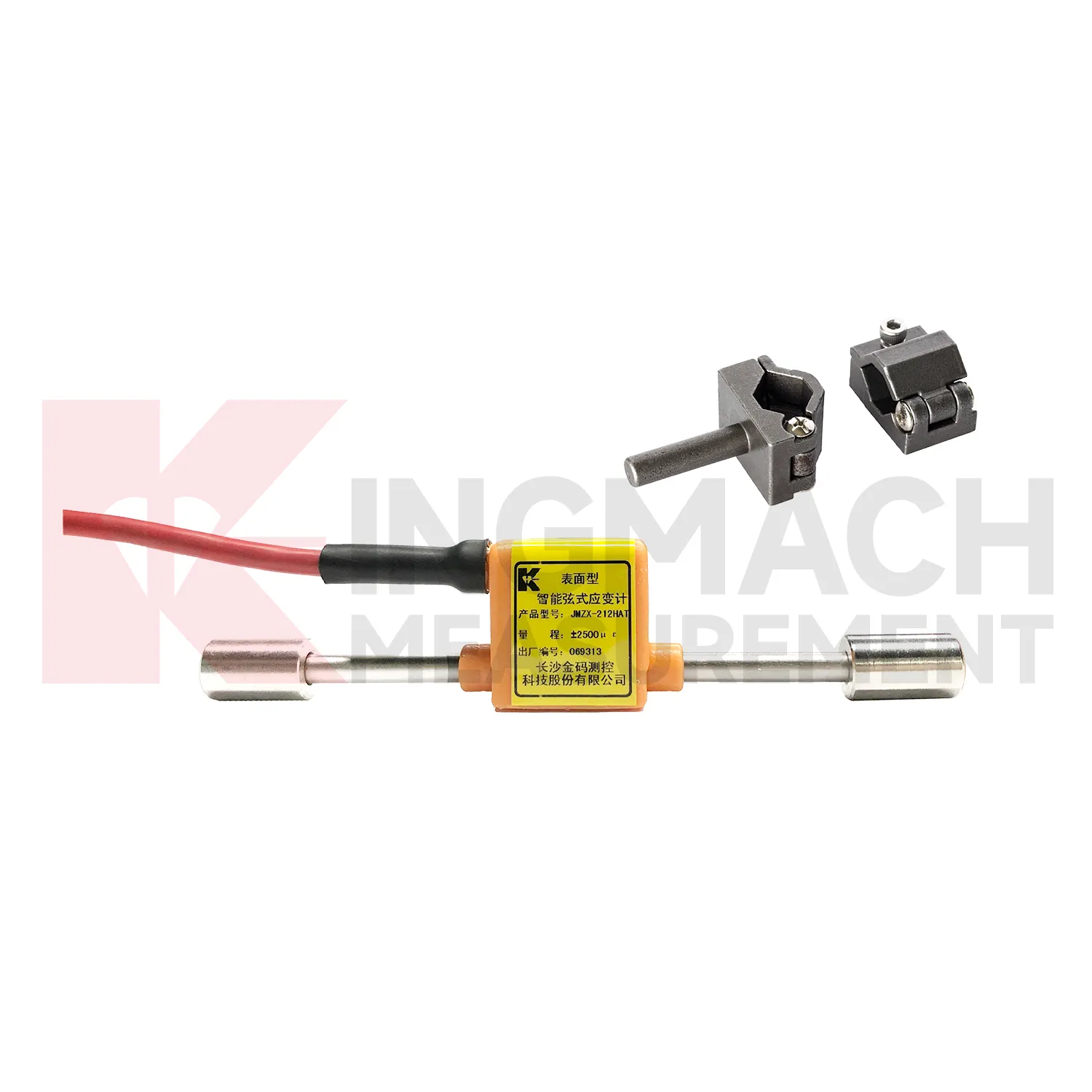
Smart vibrating wire strain gauge (surface model) JMZX-212HAT/HB
View Details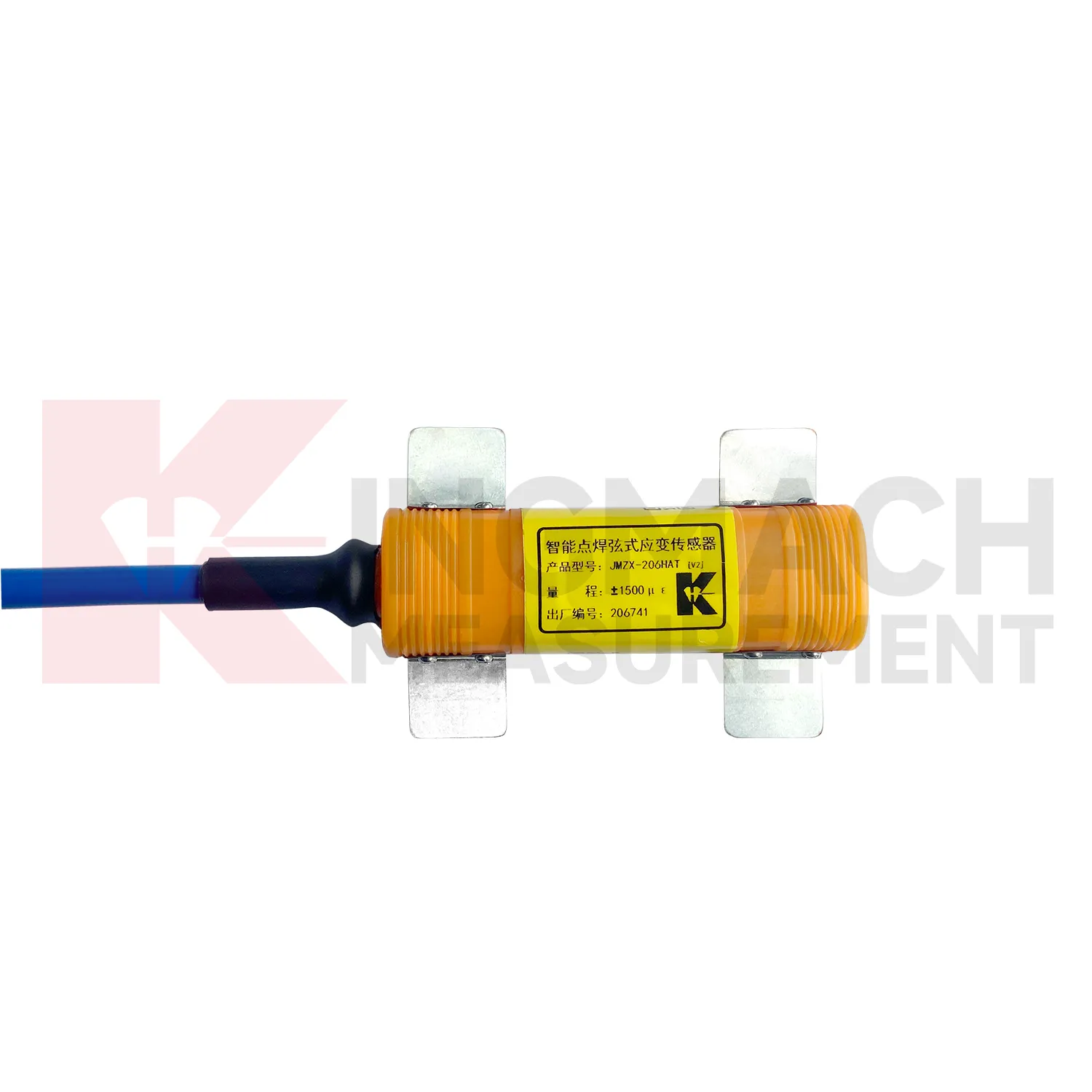
Smart vibrating wire strain gauge (surface welded model) JMZX-206HAT
View DetailsFAQ
Yes. We routinely modify capacity, dimensions, cable exits, and mounting patterns. If you send a drawing or a desired spec, the engineering team checks feasibility against our in-house CNC and bonding capabilities, usually within two working days.
The factory is ISO 9001 certified. Each strain gauge weight sensor undergoes a final calibration check, and a test certificate is included in the shipment. Our calibration rigs are traceable to national metrology standards.
Geotechnical sensors are built to resist moisture, wide temperature swings, and long-term creep. That same discipline goes into our industrial weight sensors — better sealing, stable gauge bonding, and thorough temperature compensation mean less drift in normal weighing applications.
Standard sensors often ship within 2–4 weeks depending on quantity and current production schedule. Customized orders add about a week for engineering review and tooling setup. We keep common raw materials in stock to avoid long supply delays.
Yes. After-sales support comes from the same engineers who design and calibrate the sensors. Whether it is wiring diagrams, troubleshooting zero shift, or integration advice, you can reach them directly by email or WeChat.
Share your product type, target capacity, and application requirements. Our team can review the details and recommend a practical next step.
If you are interested in our products or want to become our partner.
Please leave your contact information, our team will contact you as soon as possible.
Mail: [email protected]
Contact Us: +8613808434127
Address: No. 188 Tongzipo West Rd, Changsha, Hunan, China