
 EN
EN
 ar
ar bg
bg hr
hr cs
cs da
da nl
nl fi
fi fr
fr de
de el
el hi
hi it
it ko
ko no
no pl
pl pt
pt ro
ro ru
ru es
es sv
sv tl
tl iw
iw id
id lv
lv lt
lt sr
sr sk
sk sl
sl uk
uk vi
vi et
et hu
hu th
th tr
tr fa
fa ms
ms hy
hy ka
ka ur
ur bn
bn mn
mn ta
ta kk
kk uz
uz ku
ku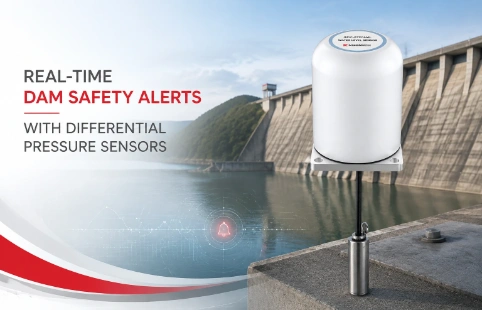
Real-Time Dam Safety Alerts with Differential Pressure Water Level Sensors
Key Takeaways An alert chain needs more than a sensor: define field in...

Strain Gauge Meter Built for Real Field Conditions
Most strain monitoring projects—bridge load tests, deep excavation monitoring, tunnel convergence—don’t happen in a lab. They happen where dust, moisture, and temperature swings are routine. A strain gauge meter that drifts in the afternoon heat or fails after a rain shower isn’t much use. The meters from Kingmach were designed around that reality. We’re not chasing laboratory precision numbers; we focused on repeatable stability in the places you actually work. You’ll see that in details like membrane keypads that still respond with muddy gloves and display backlight that’s readable under direct sun. As a geotechnical instrument manufacturer, we keep the range broad enough to cover most project requirements—single to multichannel readouts, compatibility with vibrating wire, resistive strain gauges, and load cells—and we’ll customize setups when off-the-shelf doesn’t fit. Engineers often tell us the real difference is how little time they spend re-zeroing or troubleshooting during a measurement cycle. That’s the point.
Technical Detail
A strain gauge meter only earns its place in the kit when it takes less time to get a reading than to find a workaround. The Kingmarch range strips out unnecessary complexity. The meters read standard full-bridge and half-bridge configurations directly, and some models handle quarter-bridge completion internally so you aren’t hunting for an external box. When you’re cycling through 20 gauges on a pile test, the difference between a two-second settling time and a five-second one is half an hour on site. Our engineers tuned the analog front end for fast settling without sacrificing 50/60 Hz rejection—a trade-off that matters in plants or near heavy machinery. The display doesn’t try to cram too much. Active channel, live reading, engineering unit. You toggle between peak hold and data logging with one button. We learned from feedback on older datalogger-style meters that scrolling through endless menus on a tiny screen frustrates operators. That’s why the latest version has a simple cyclic menu and stores readings in CSV format to a microSD card. No proprietary software needed. Pull the card, open the file, and you have a timestamped log ready for the report. Supply chain matters too. We hold stock of key components, so when a project in Southeast Asia needs five extra meters with a modified range and Chinese labels, the turnaround is measured in days, not months. The meters ship with a calibration certificate traceable to national standards, and our support team can talk through wiring pinouts or shunt calibration over a video call. For permanent installations, we’ll configure a meter with a weatherproof enclosure and a solar charge regulator so it lives outside next to the gauges. Applications range from structural health monitoring on historic masonry to verifying finite element models during launch of segmental bridges. In dynamic logging mode, the sampling rate suits most civil engineering events; if you need impact-level speeds, we can discuss a firmware tweak. The enclosures are IP65 rated as standard—this came directly from a tunnel monitoring project where condensation dripped onto the previous meter and killed it. Small changes like sealing the USB port with a captive plug add up.
News
Key Takeaways An alert chain needs more than a sensor: define field in...
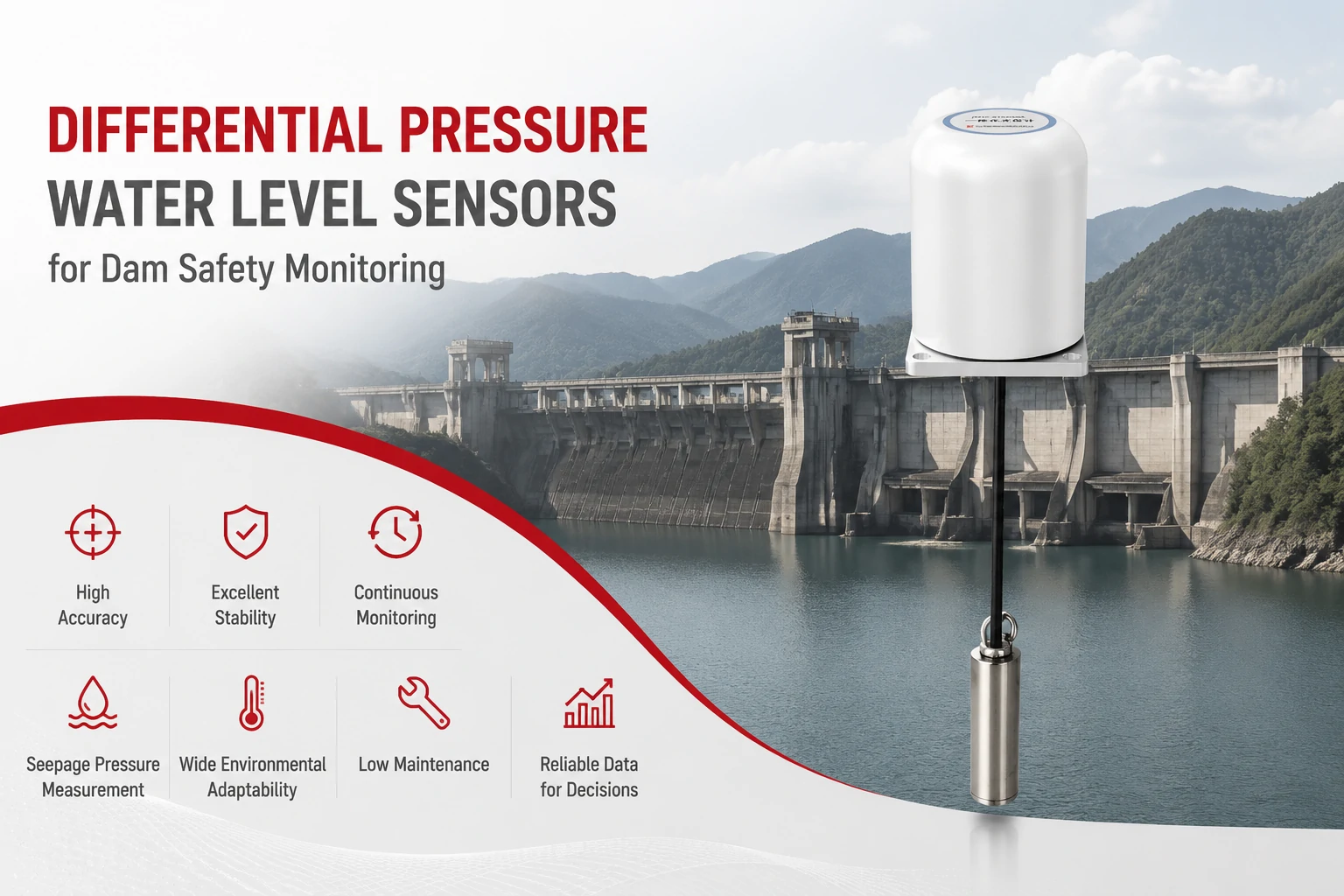
Key Takeaways The strongest fit is usually a confined, submerged, or s...
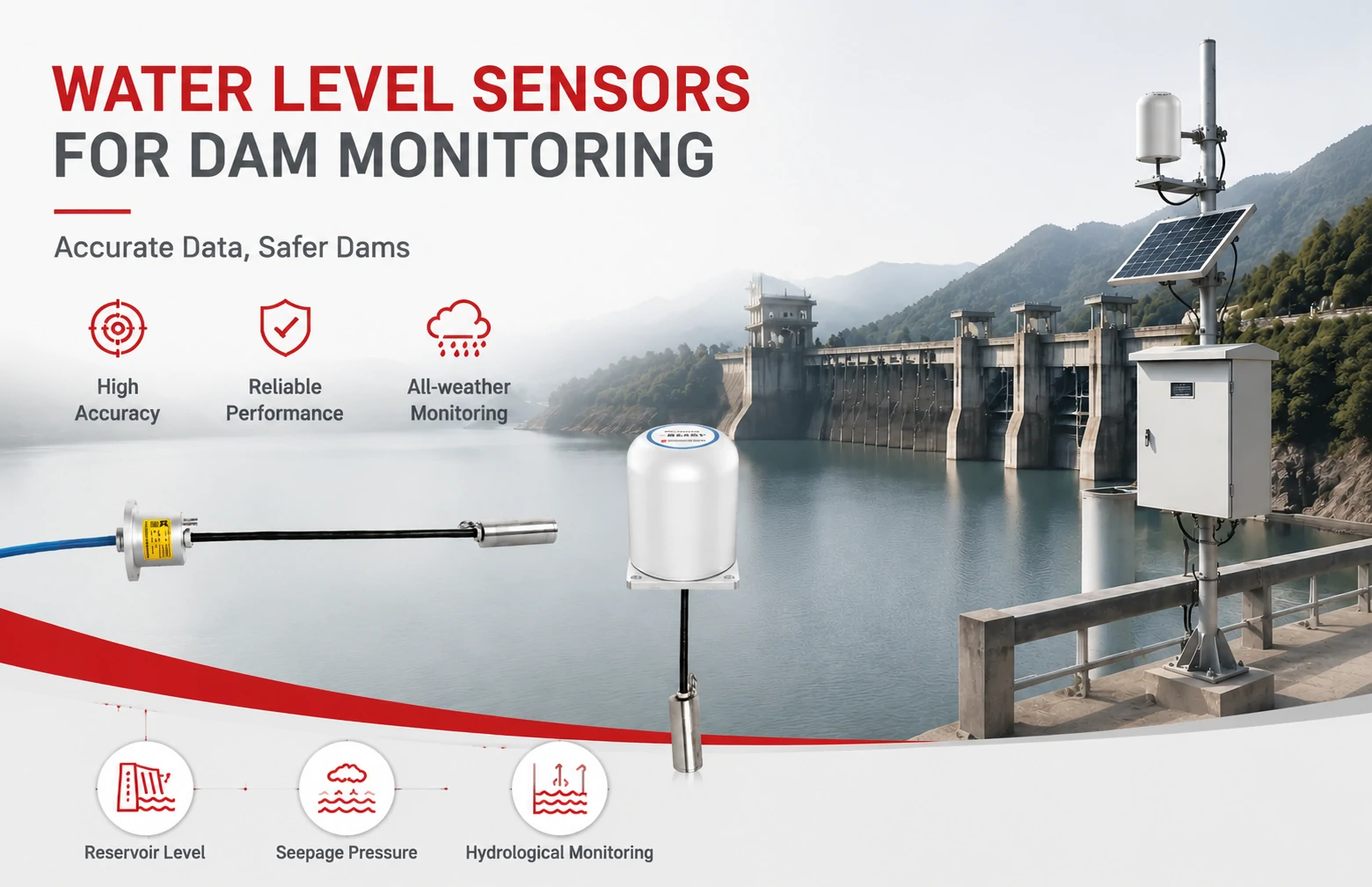
Kingmach Water Level Sensors for Dam Monitoring: A Buyer's Guide to Differential Pre...
Products
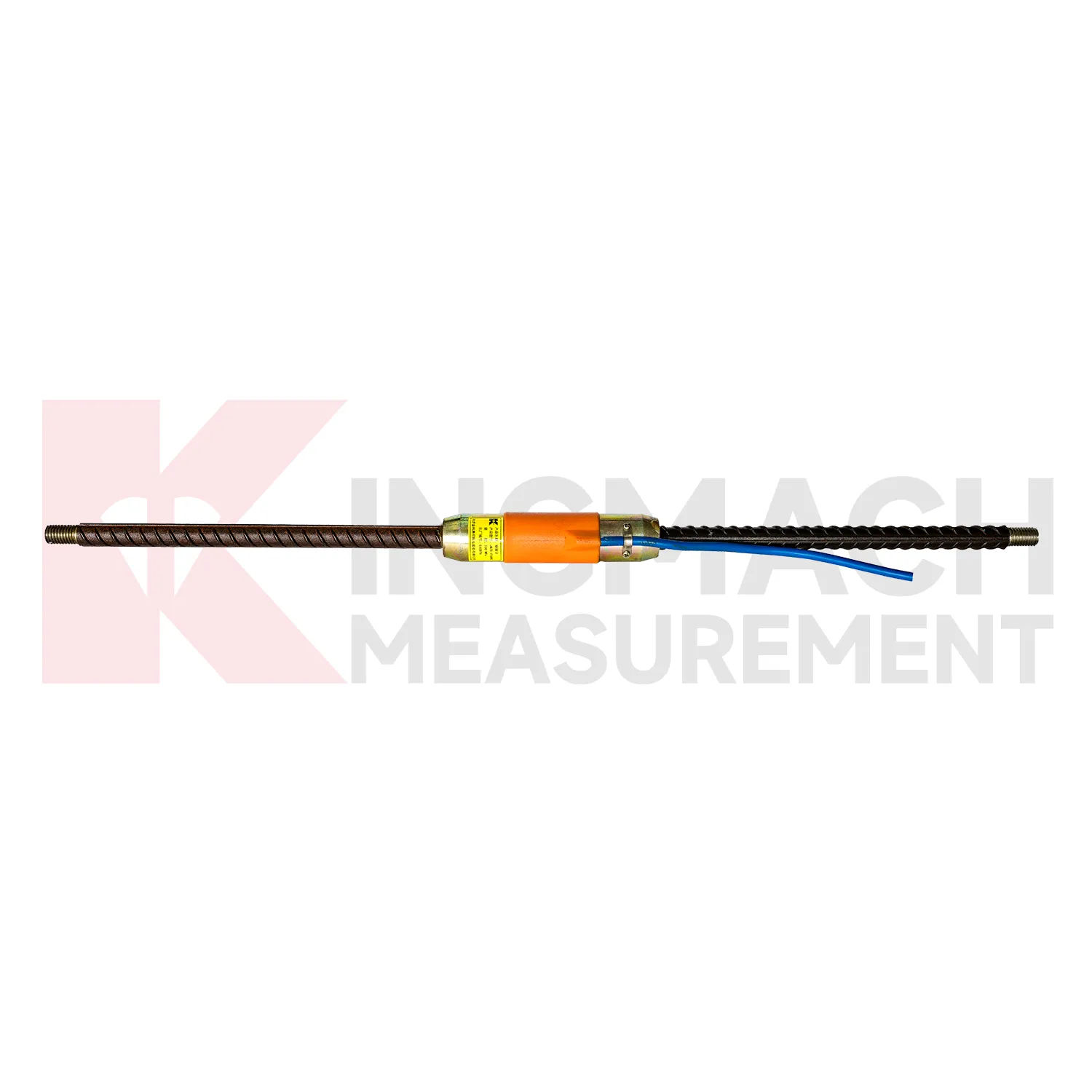
Rebar Strainmeters ( VW & Smart Type) JMZX-4XXHAT/HB
View Details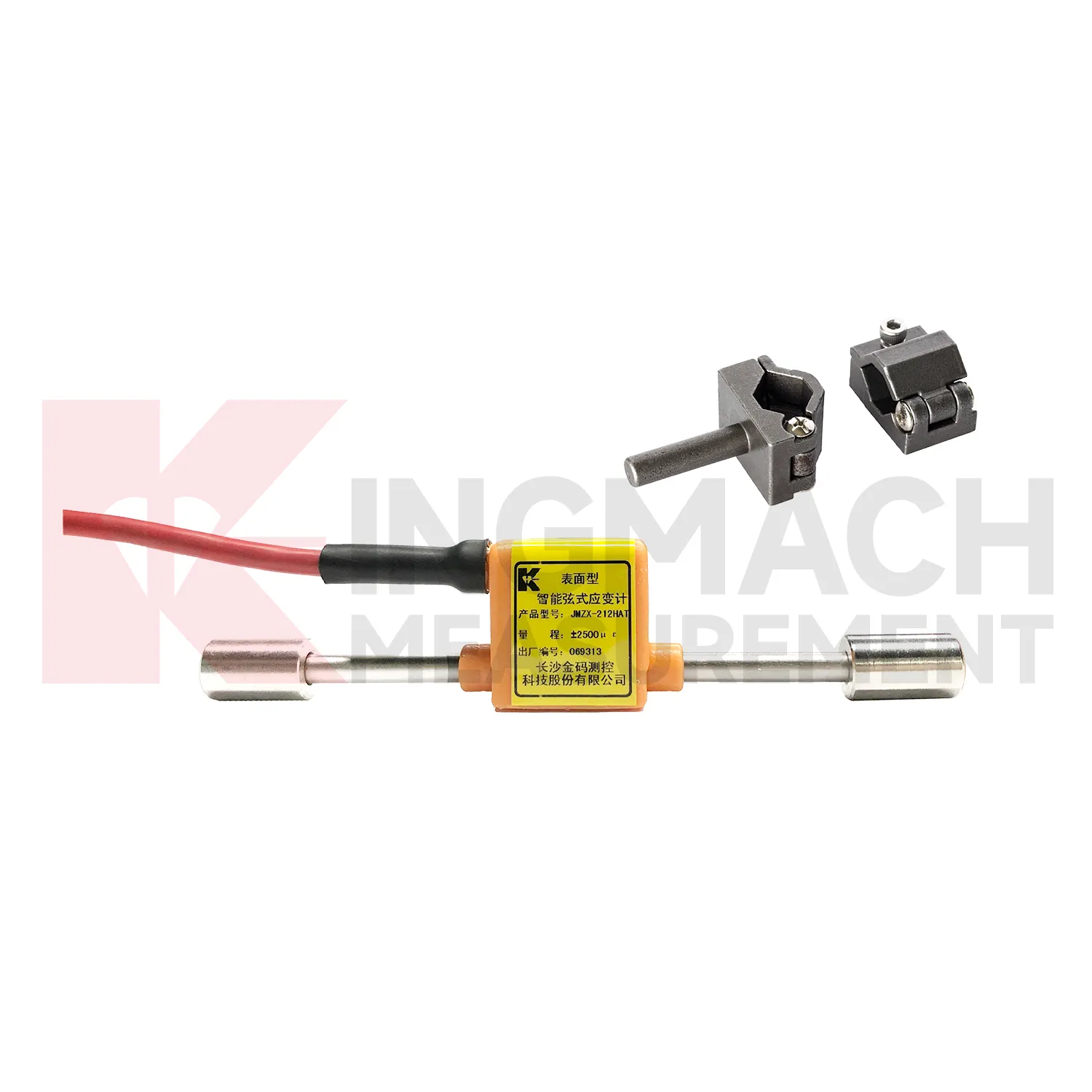
Smart vibrating wire strain gauge (surface model) JMZX-212HAT/HB
View Details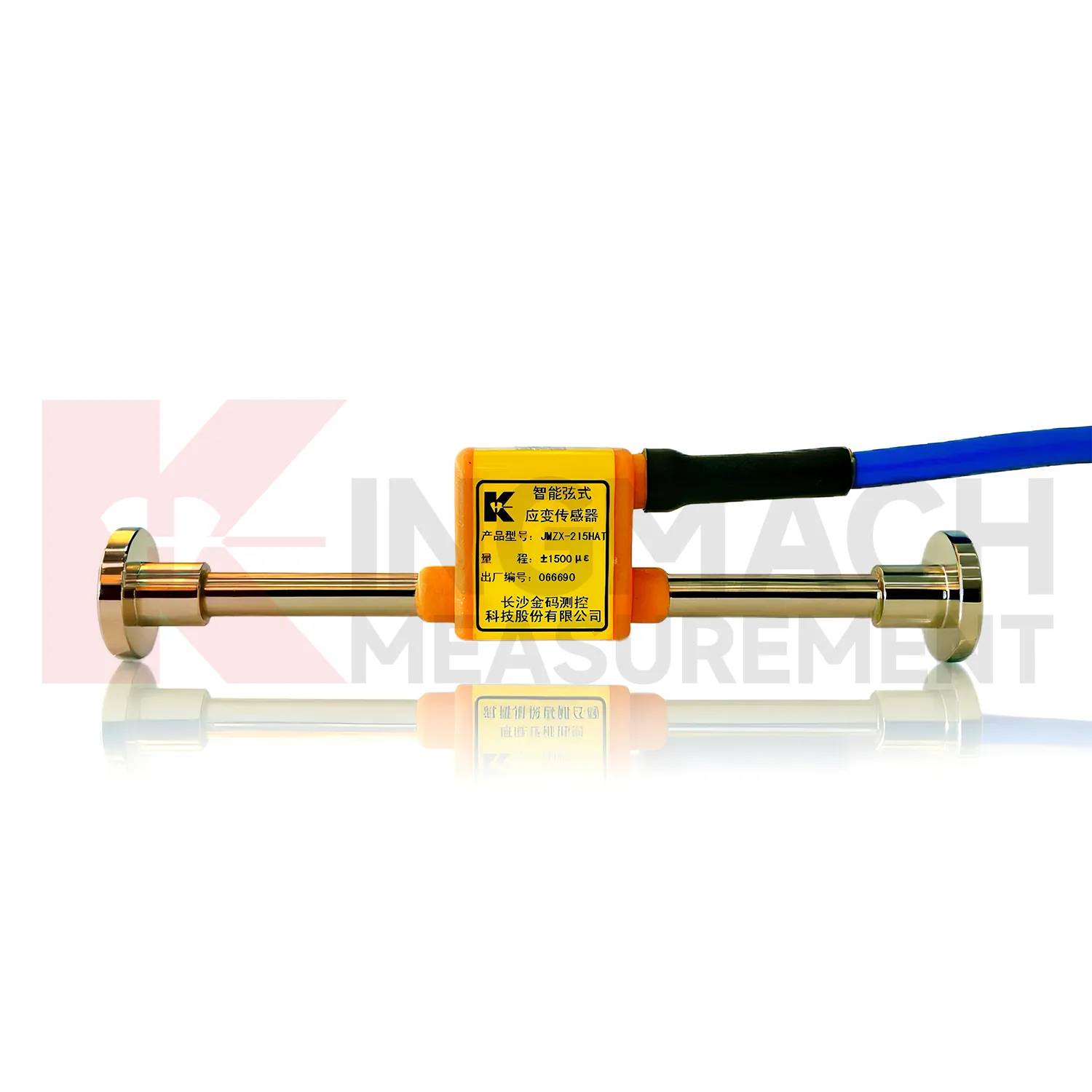
Smart vibrating wire strain gauge (embedment model) JMZX-215HA/215HAT/HB
View DetailsFAQ
It reads standard full-bridge and half-bridge strain gauges as well as quarter-bridge arrangements using internal bridge completion resistors. It’s also compatible with vibrating wire strain gauges and load cells through channel-specific firmware. If you’re using something unusual like a piezoelectric gauge, let us know upfront so we can confirm input impedance matching.
Yes. We don’t lock you into a proprietary connector. The standard build uses a Lemo-style push-pull connector, but if your site already has cables with something else—military-style circular, M12, even bare leads—we can build or adapt the mating connector during order configuration. We’ll also provide the wiring diagram so your techs can maintain it.
There’s no special software to install. You store readings to a standard microSD card in CSV format. Swap the card or connect the meter via USB as a mass storage device. The file can be opened in any spreadsheet program. Some models also have BLE, letting you grab the last reading or start a logging session from a phone.
We use a transflective LCD with backlight. In direct sun you can turn off the backlight and the screen remains clearly readable—similar to a GPS handheld. The backlight kicks in for low light or tunnel work and can be dialed to not blind you when you’re adapted to darkness.
For standard modifications—custom connector, extended temperature range, or special units of measurement—we usually ship in two to three weeks after confirming the spec. More complex firmware changes or enclosure modifications may take a bit longer, but we always give you a clear timeline before you commit. Production happens in-house, so we control the schedule.
Share your product type, target capacity, and application requirements. Our team can review the details and recommend a practical next step.
If you are interested in our products or want to become our partner.
Please leave your contact information, our team will contact you as soon as possible.
Mail: [email protected]
Contact Us: +8613808434127
Address: No. 188 Tongzipo West Rd, Changsha, Hunan, China