
 EN
EN
 ar
ar bg
bg hr
hr cs
cs da
da nl
nl fi
fi fr
fr de
de el
el hi
hi it
it ko
ko no
no pl
pl pt
pt ro
ro ru
ru es
es sv
sv tl
tl iw
iw id
id lv
lv lt
lt sr
sr sk
sk sl
sl uk
uk vi
vi et
et hu
hu th
th tr
tr fa
fa ms
ms hy
hy ka
ka ur
ur bn
bn mn
mn ta
ta kk
kk uz
uz ku
ku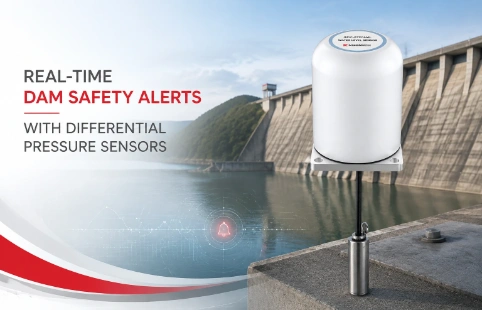
Real-Time Dam Safety Alerts with Differential Pressure Water Level Sensors
Key Takeaways An alert chain needs more than a sensor: define field in...

Strain Gauge Adhesive Solutions for Reliable Measurements
Selecting the right adhesive is often the difference between a stable strain gauge installation and one that drifts over time. At Kingmach, we've seen how the right bond directly impacts data reliability in geotechnical monitoring. Our strain gauge adhesive line is built to handle the demands of field sensor mounting—whether on steel structures, concrete, or composite surfaces. It's not just about initial tack; long-term creep resistance and temperature tolerance matter when your sensors are buried in a dam or bolted to a bridge. We keep a range of formulations—cyanoacrylates for rapid spot checks, epoxies for permanent installations—each backed by application guidance from engineers who work with these materials daily. Instead of a one-size-fits-all approach, we help you match adhesive properties to your measurement environment. Every batch is tested for consistency, so you get the same performance month after month. That matters when you're installing hundreds of gauges across a project site. Whether you need high-elongation adhesives for dynamic measurements or low-outgassing options for sensitive electronics, we can supply what's needed.
Technical Detail
Kingmach's strain gauge adhesive portfolio includes quick-setting cyanoacrylates for instantaneous bonding in lab or field, and two-part epoxies that deliver the long-term stability needed for permanent structural monitoring. The cyanoacrylate adhesives generally bond within seconds and achieve full strength in minutes, making them suitable for rapid installations on clean metal surfaces. Epoxy-based variants offer a longer working time, allowing for precise gauge positioning on rough or porous substrates like concrete. Both types exhibit low creep under sustained load—a critical factor for strain measurement accuracy over months or years. Temperature performance is another aspect we emphasize; typical formulations maintain bond integrity from -40°C to +120°C, with specialized grades available for higher extremes. For outdoor applications, our adhesives resist moisture, oil, and mild chemical exposure, which helps prevent gauge detachment in harsh environments. We also supply complementary accessories: surface cleaning agents, gauge protection coatings, and application tools. All adhesives come with detailed technical notes and our engineering team can recommend the right product based on your sensor type, substrate material, and environmental conditions. Custom packaging sizes are available for bulk orders—something we frequently arrange for large-scale infrastructure projects. While the core chemistry is not unique, what sets Kingmach apart is the integration with our full geotechnical instrumentation range: when you buy strain gauges from us, you get adhesive that we've validated together, reducing compatibility guesswork.
News
Key Takeaways An alert chain needs more than a sensor: define field in...
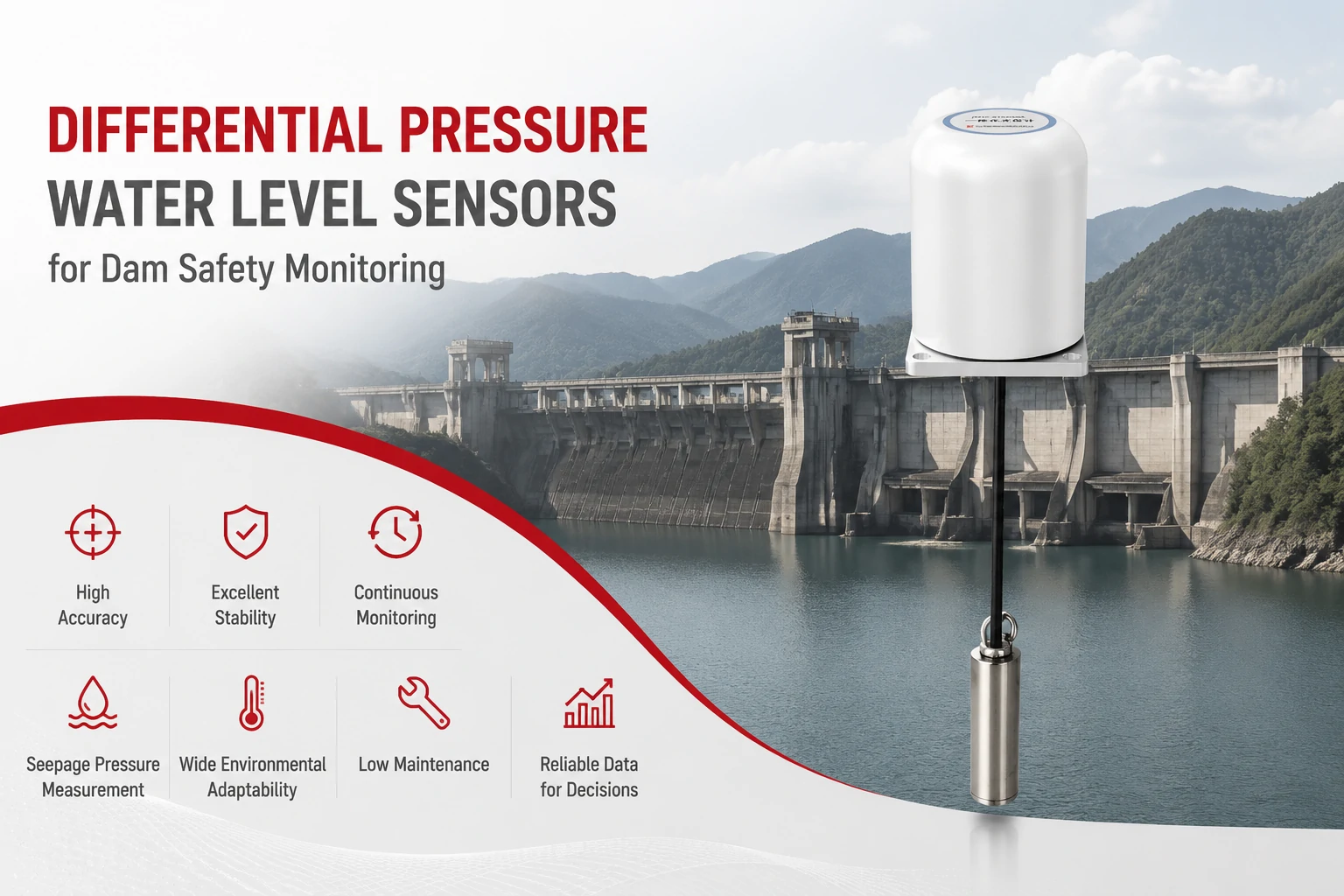
Key Takeaways The strongest fit is usually a confined, submerged, or s...
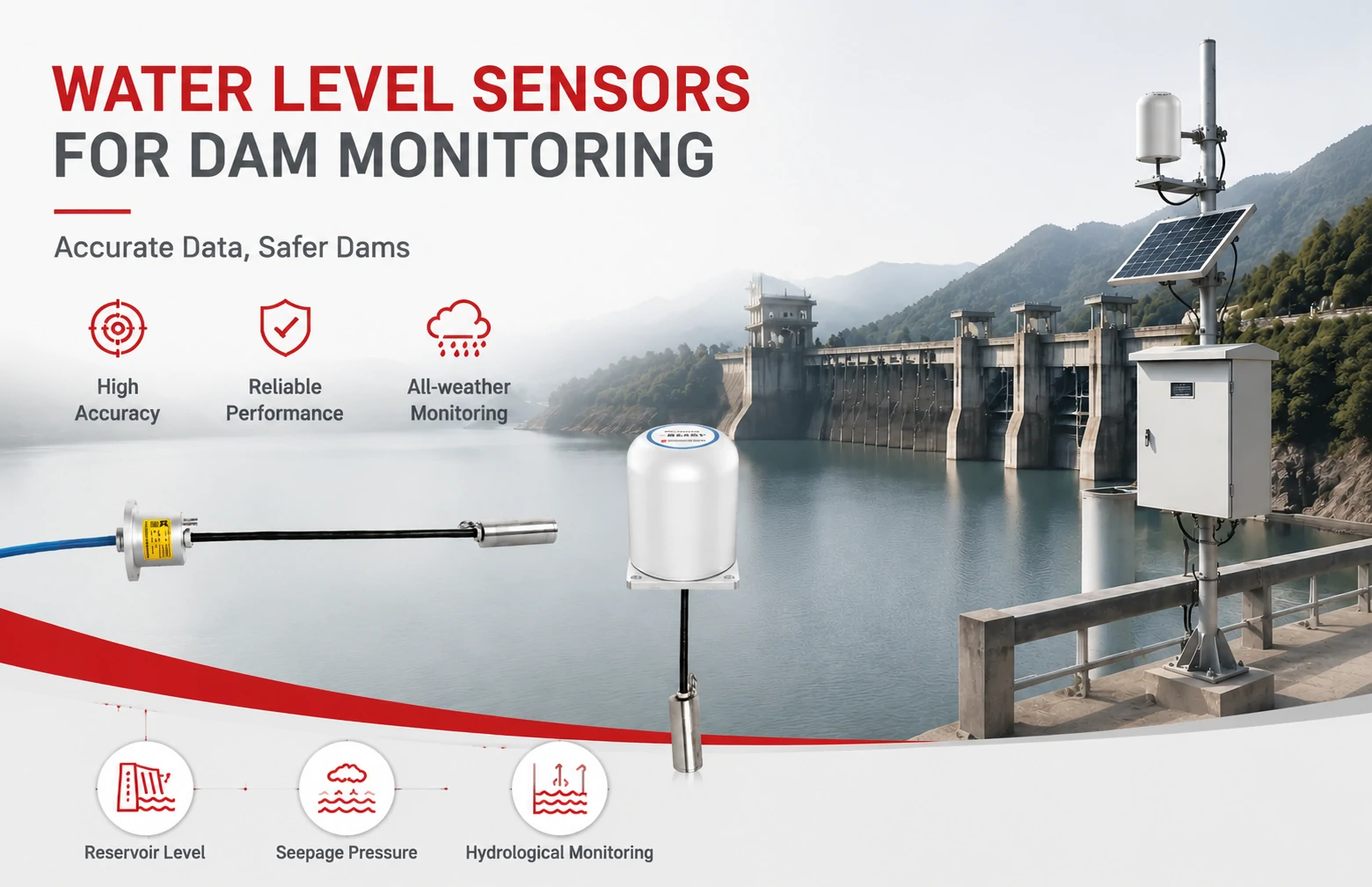
Kingmach Water Level Sensors for Dam Monitoring: A Buyer's Guide to Differential Pre...
Products
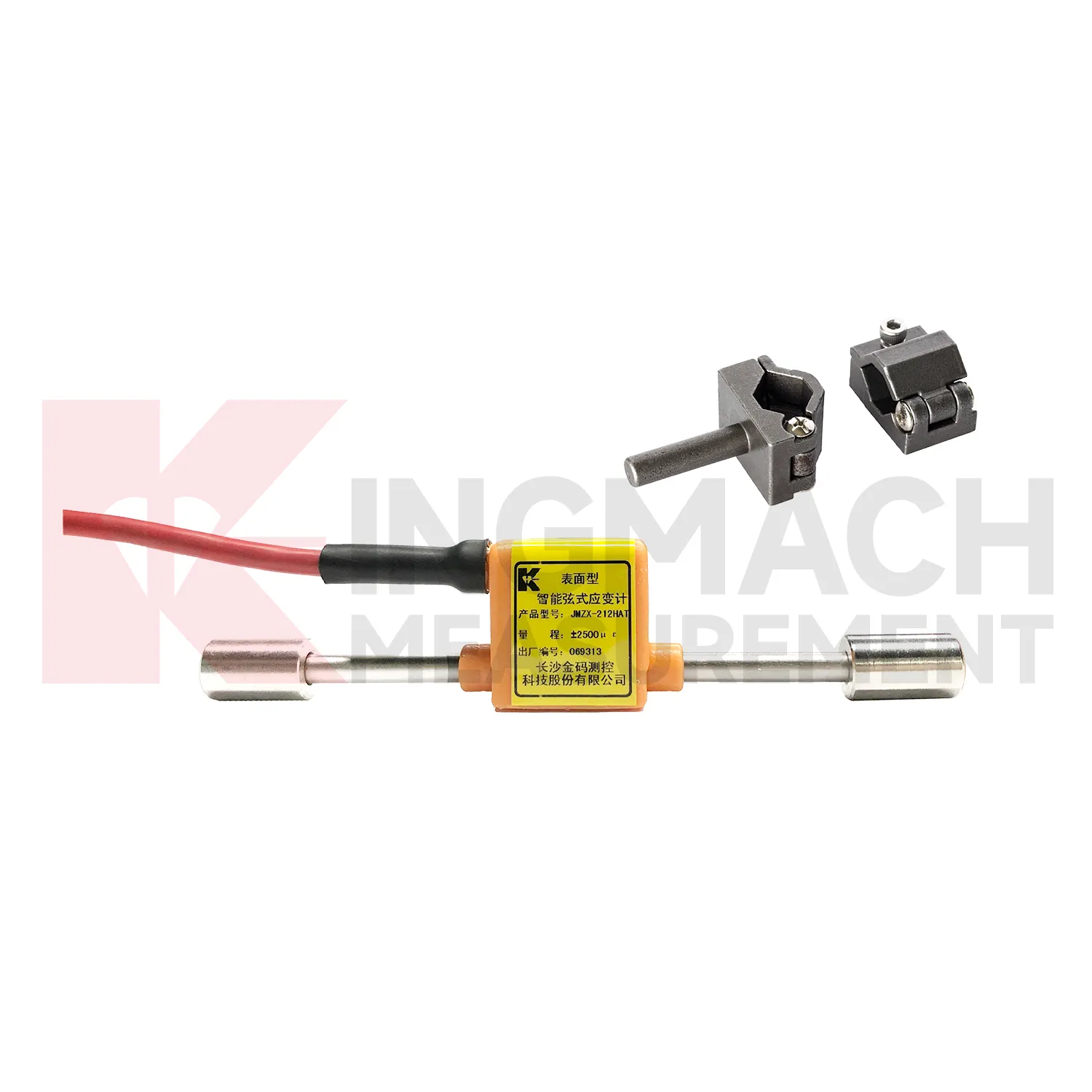
Smart vibrating wire strain gauge (surface model) JMZX-212HAT/HB
View Details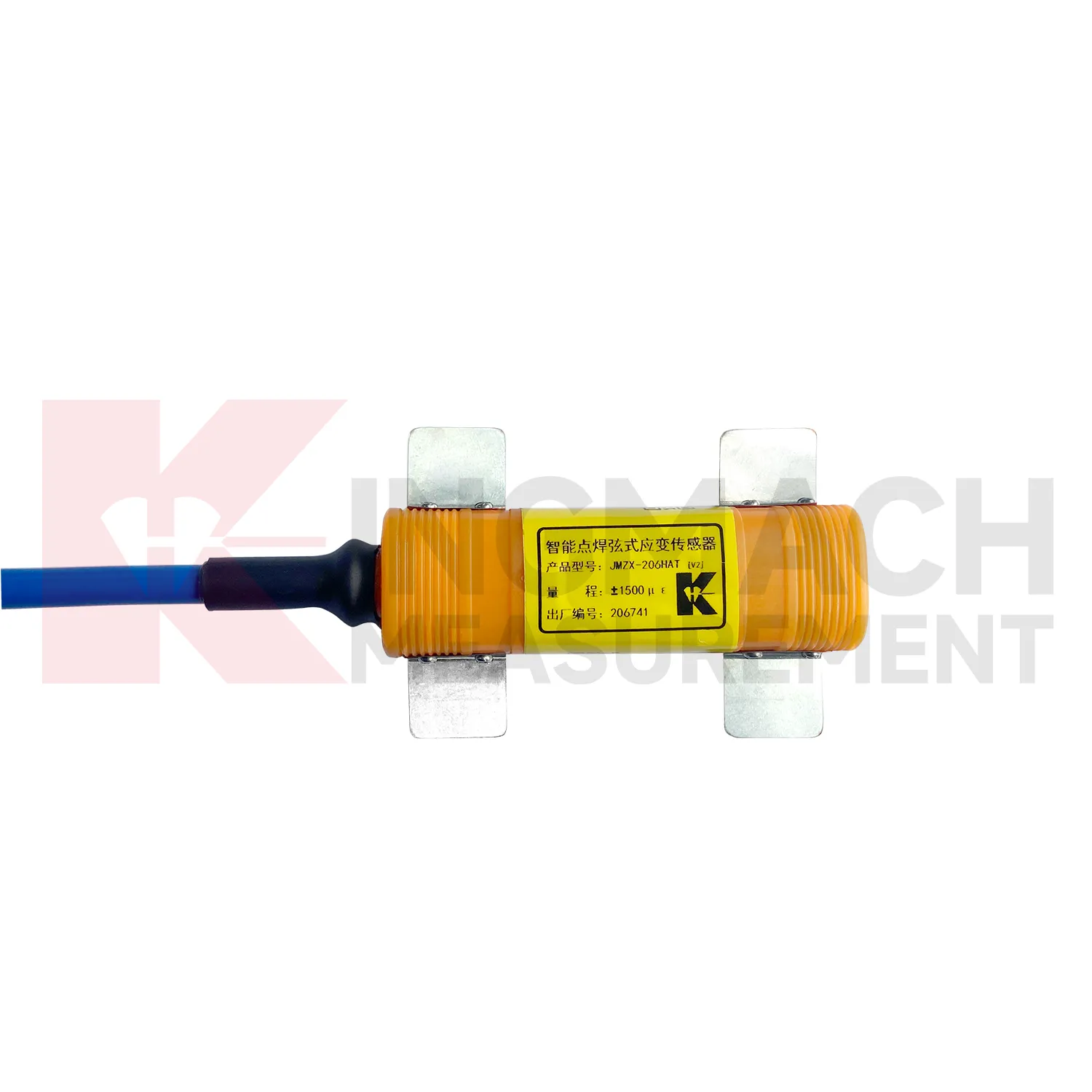
Smart vibrating wire strain gauge (surface welded model) JMZX-206HAT
View Details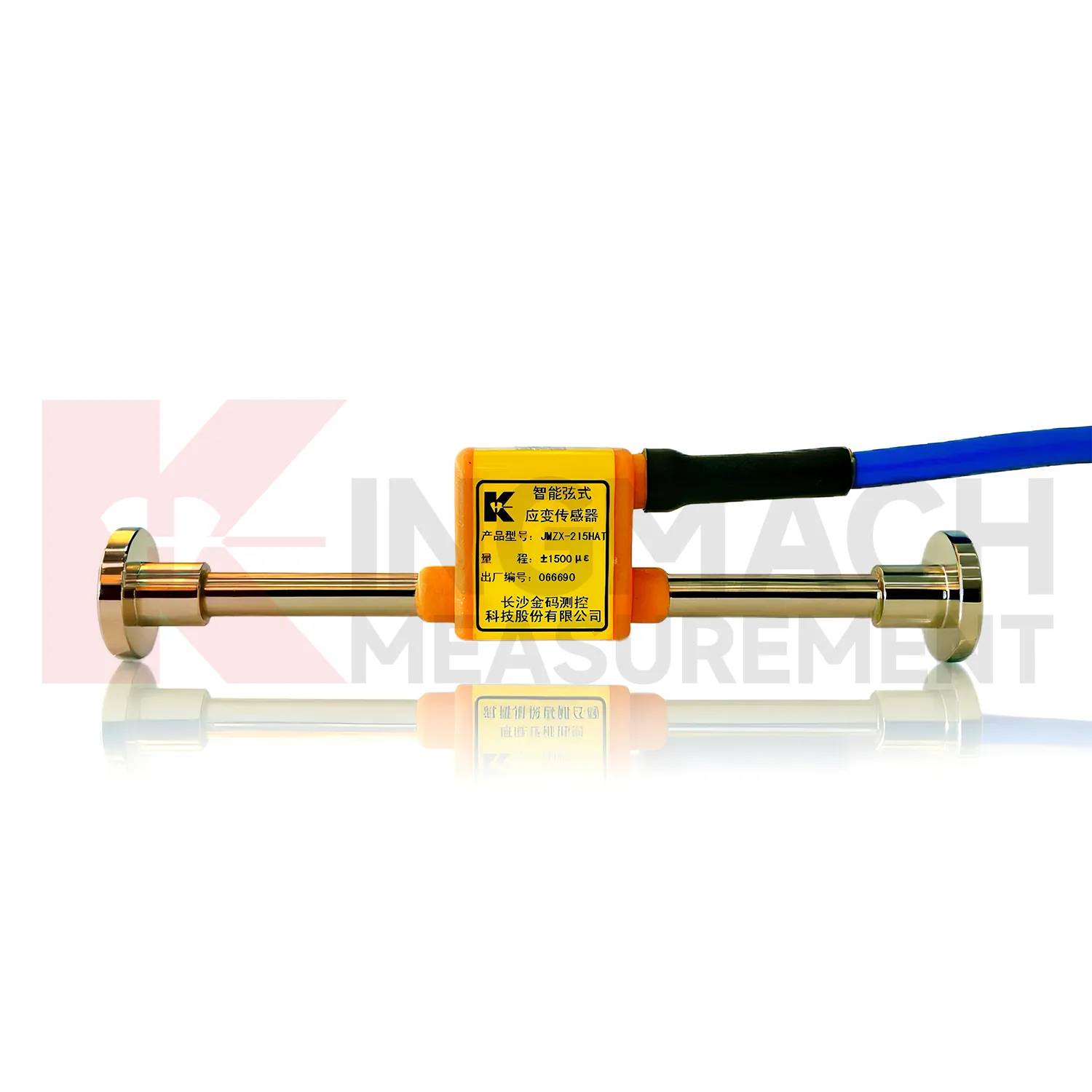
Smart vibrating wire strain gauge (embedment model) JMZX-215HA/215HAT/HB
View DetailsFAQ
For concrete, a two-part epoxy is usually the better choice. The longer open time lets you position the gauge exactly, and the epoxy fills in the surface pores better than cyanoacrylate, giving a stronger bond on rough or uneven substrates.
Cyanoacrylates set almost immediately and develop full strength in minutes, so you can wire the gauge and start measurements right away. Epoxies have a longer curing time, typically reaching handling strength in a few hours and full cure in 24 hours. For permanent installations, we recommend allowing the full cure time to ensure maximum bond strength and measurement accuracy.
Absolutely. Our engineers provide application-specific recommendations based on your sensor type, substrate, and environmental conditions. We also supply detailed technical notes with every order to help you achieve a reliable bond.
Share your product type, target capacity, and application requirements. Our team can review the details and recommend a practical next step.
If you are interested in our products or want to become our partner.
Please leave your contact information, our team will contact you as soon as possible.
Mail: [email protected]
Contact Us: +8613808434127
Address: No. 188 Tongzipo West Rd, Changsha, Hunan, China