
 EN
EN
 ar
ar bg
bg hr
hr cs
cs da
da nl
nl fi
fi fr
fr de
de el
el hi
hi it
it ko
ko no
no pl
pl pt
pt ro
ro ru
ru es
es sv
sv tl
tl iw
iw id
id lv
lv lt
lt sr
sr sk
sk sl
sl uk
uk vi
vi et
et hu
hu th
th tr
tr fa
fa ms
ms hy
hy ka
ka ur
ur bn
bn mn
mn ta
ta kk
kk uz
uz ku
ku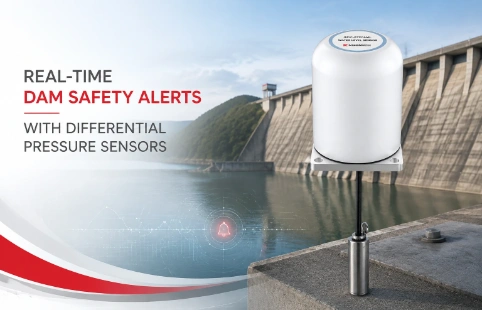
Real-Time Dam Safety Alerts with Differential Pressure Water Level Sensors
Key Takeaways An alert chain needs more than a sensor: define field in...

Tipping Bucket Rain Gauges Built for Field Conditions
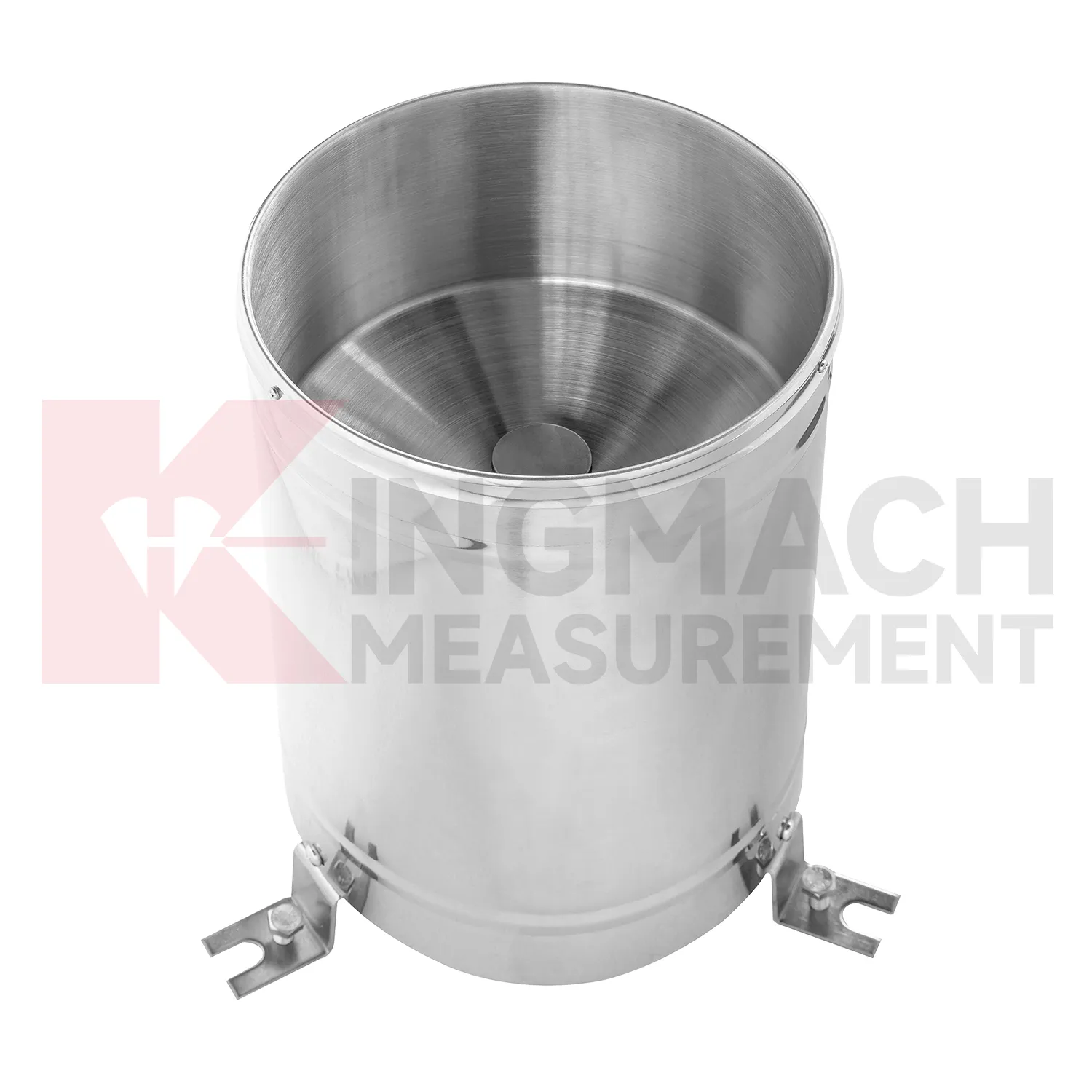
A tipping bucket rain gauge works by funneling rain into a small, balanced bucket. Each time the bucket tips, it sends a pulse to a logger. That's it—no complex electronics exposed to weather, just a reliable mechanical switch. Kingmach supplies these gauges to monitoring networks that track everything from flash flood risk to irrigation timing. The data is only as good as the installation, though. Siting matters. A gauge tucked under a tree or on a windy ridge won't tell you much. We often talk to engineers who want to connect our gauges into their existing SCADA or telemetry setups. That's where the customization comes in. You might need a specific mounting bracket, or a different orifice size to match local rainfall intensities. These aren't one-size-fits-all instruments, which is why we keep the design straightforward and the components serviceable in the field.
Technical Detail
Kingmach builds tipping bucket rain gauges as part of a wider geotechnical and hydrological instrument range. The mechanism is proven: a collector funnel directs water to a twin-chamber bucket mounted on a pivot. When one chamber fills to its calibrated volume—typically 0.2 mm or 0.5 mm per tip—the bucket tilts, a magnet activates a reed switch, and the cycle repeats. The output is a simple count of tips, which loggers translate into rainfall rate and accumulation. Because the sensing element is a passive switch, power draw is low, and the gauge can run for months on a small battery. Field maintenance is mostly about keeping the funnel screen clear and checking the bucket balance. Some users add a heating element for snow measurements. We offer adjustable resolution options, and the housing can be customized for corrosion resistance in coastal or industrial environments. The gauge connects easily to data loggers, RTUs, or wireless nodes. Whether you're monitoring for landslides, managing reservoir levels, or running an agricultural weather station, the data stream is immediate and easy to integrate. Kingmach's support network includes training on installation best practices and long-term calibration checks. We've supplied gauges to projects across Asia, Africa, and South America, often with specific documentation and packing requirements. For large-scale networks, we can pre-configure the gauges with your logging system before shipping.
News
Key Takeaways An alert chain needs more than a sensor: define field in...
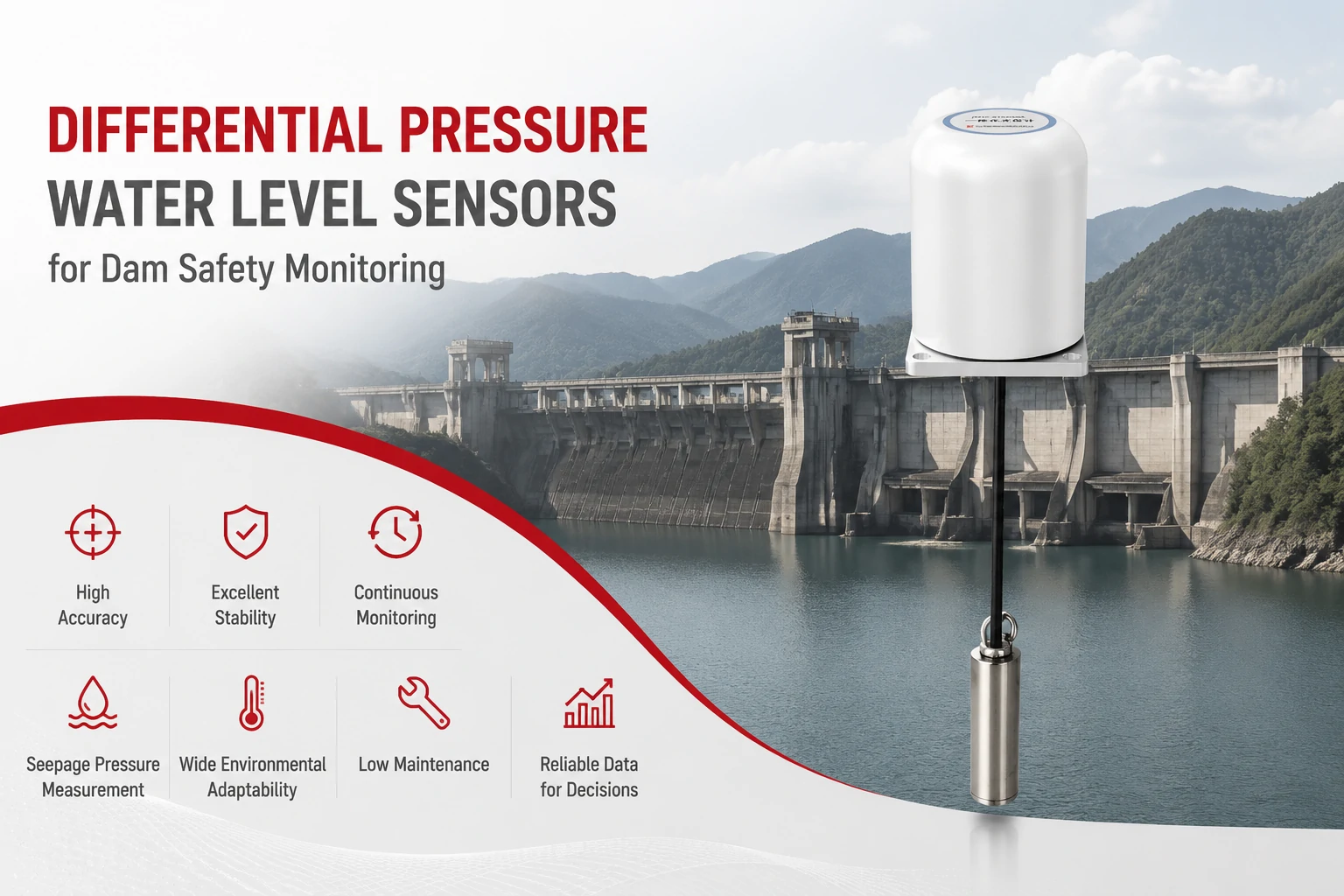
Key Takeaways The strongest fit is usually a confined, submerged, or s...
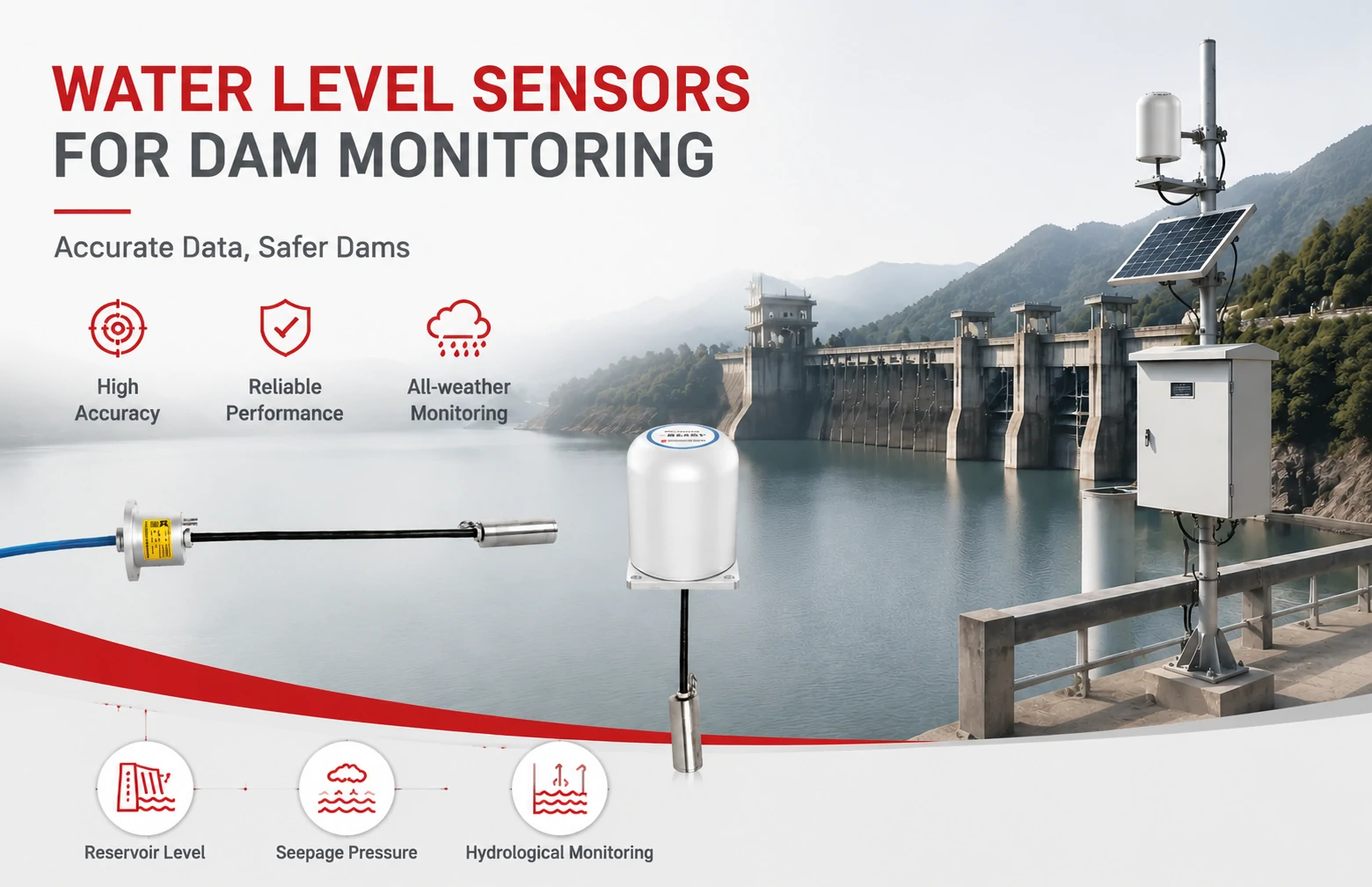
Kingmach Water Level Sensors for Dam Monitoring: A Buyer's Guide to Differential Pre...
Products
FAQ
0.2 mm is common for hydrological studies where you want to capture light rain and short-duration intensity. 0.5 mm works for basic agricultural or weather station needs where you don't need that fine granularity. There's no extra cost difference—it's just a calibration adjustment. If your project requires high-resolution data for urban drainage studies, go smaller. For general precipitation monitoring, 0.5 mm reduces data volume without losing much practical information.
Almost certainly yes. The gauge outputs a simple contact closure—like a button press—every tip. Most loggers recognize that as a pulse count. You just need to configure the logger to know what each pulse represents. We can provide wiring details and calibration certificates. If you're using something proprietary, we'll check the specs with you.
The main thing is keeping the funnel clean. Leaves, bird droppings, or dust will block the inlet. A monthly check is usually enough. Also, test the bucket balance once or twice a year—a simple pour test with a known water volume. If you're in a dusty or polluted area, you might need to clean the bucket chambers too. The switch itself rarely fails, but we sell replacement reed switch assemblies just in case.
Yes. We add a thermostatically controlled heater under the funnel and around the bucket assembly. It's typically 12V or 24V DC, so you'll need a power source. It won't turn snow into perfect real-time liquid equivalent, but it will melt the catch so you don't get a blocked funnel or frozen bucket.
A manual gauge is cheaper upfront, but you pay in time and travel to collect data. An automatic tipping bucket gauge gives you continuous records without site visits. If you factor in labor over a few years, the automatic one pays off, especially in remote locations. We can help you justify that to your budget team with case examples.
Share your product type, target capacity, and application requirements. Our team can review the details and recommend a practical next step.
If you are interested in our products or want to become our partner.
Please leave your contact information, our team will contact you as soon as possible.
Mail: [email protected]
Contact Us: +8613808434127
Address: No. 188 Tongzipo West Rd, Changsha, Hunan, China