
 EN
EN
 ar
ar bg
bg hr
hr cs
cs da
da nl
nl fi
fi fr
fr de
de el
el hi
hi it
it ko
ko no
no pl
pl pt
pt ro
ro ru
ru es
es sv
sv tl
tl iw
iw id
id lv
lv lt
lt sr
sr sk
sk sl
sl uk
uk vi
vi et
et hu
hu th
th tr
tr fa
fa ms
ms hy
hy ka
ka ur
ur bn
bn mn
mn ta
ta kk
kk uz
uz ku
ku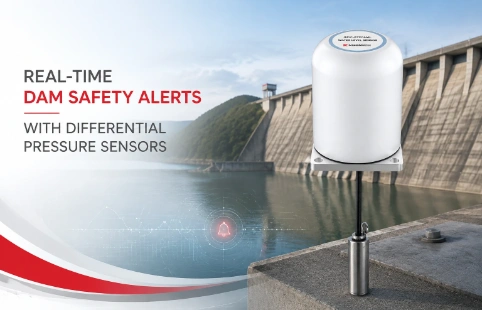
Real-Time Dam Safety Alerts with Differential Pressure Water Level Sensors
Key Takeaways An alert chain needs more than a sensor: define field in...

Load Cell Calibration Procedure: A Practical Guide
Calibrating a load cell isn’t a one-click job—it’s the difference between readings you can trust and a multi-day headache of bad data. Kingmach has seen its share of calibration shortcuts in geotechnical projects, so we’ve put together a no-nonsense walkthrough. You’ll go from zero balance to span adjustment, plus how to avoid the usual pitfalls, whether you’re working with a vibrating wire or resistive cell.
Technical Detail
A reliable load cell calibration procedure keeps your monitoring data from drifting into guesswork. At Kingmach, we calibrate every sensor before it leaves the factory, but field conditions—temperature swings, mounting stress, long cable runs—mean you’ll still need to verify or repeat the process on site. Start with the basics: excite the cell with the voltage or frequency specified in its manual, and let the system warm up until readings stabilize. Zero balance comes first—adjust until the output matches the expected no-load value. Then apply known dead weights or a hydraulic reference, typically at 20%, 40%, 60%, 80%, and 100% of the rated capacity, recording the output at each step. For a resistive load cell, tweak the span potentiometer to match the full-scale output; for vibrating wire cells, you’re setting the linearization coefficients in the readout device. Common traps to avoid: side loads from uneven mounting, overloading beyond 120% of capacity (which can permanently deform the sensing element), and ignoring temperature compensation if the cell isn’t actively compensated. After adjustment, run a second ascending/descending cycle to check hysteresis and repeatability—ideally, deviations should stay within 0.1% of full scale. Kingmach’s support engineers can walk you through the procedure for custom configurations or when you’re commissioning a large monitoring array. The goal isn’t just a checkmark on a form; it’s knowing your data holds up when the project depends on it.
News
Key Takeaways An alert chain needs more than a sensor: define field in...
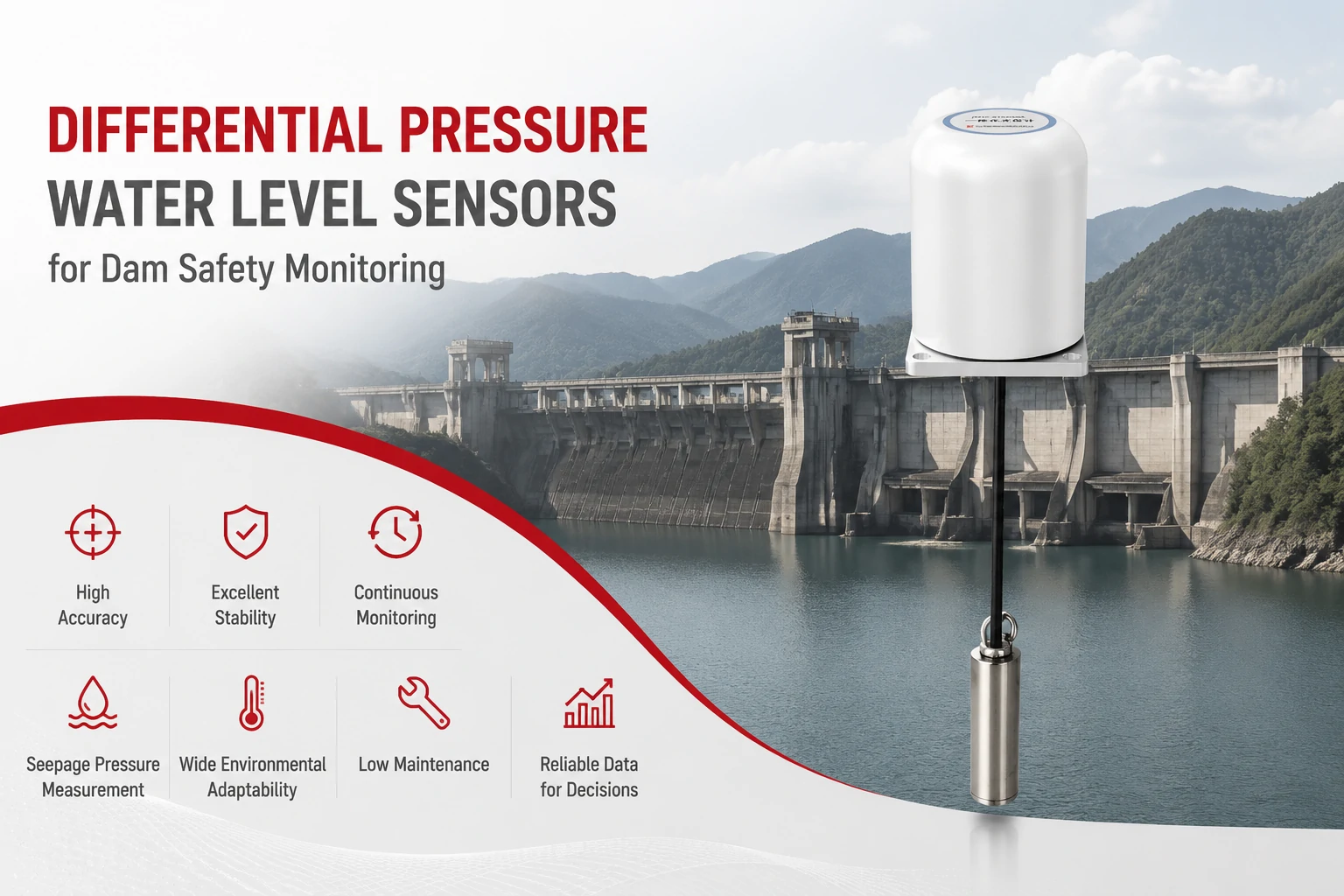
Key Takeaways The strongest fit is usually a confined, submerged, or s...
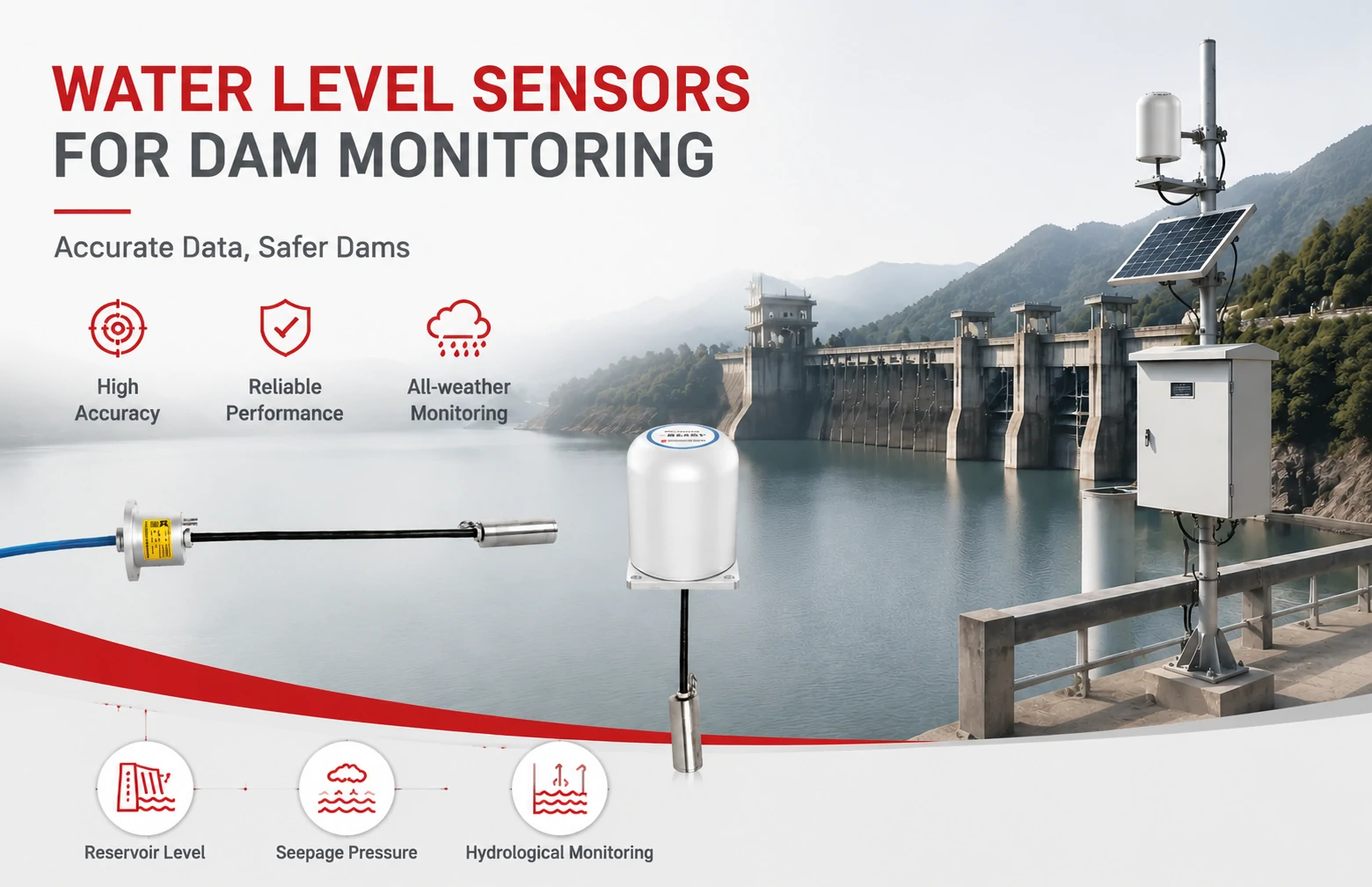
Kingmach Water Level Sensors for Dam Monitoring: A Buyer's Guide to Differential Pre...
Products
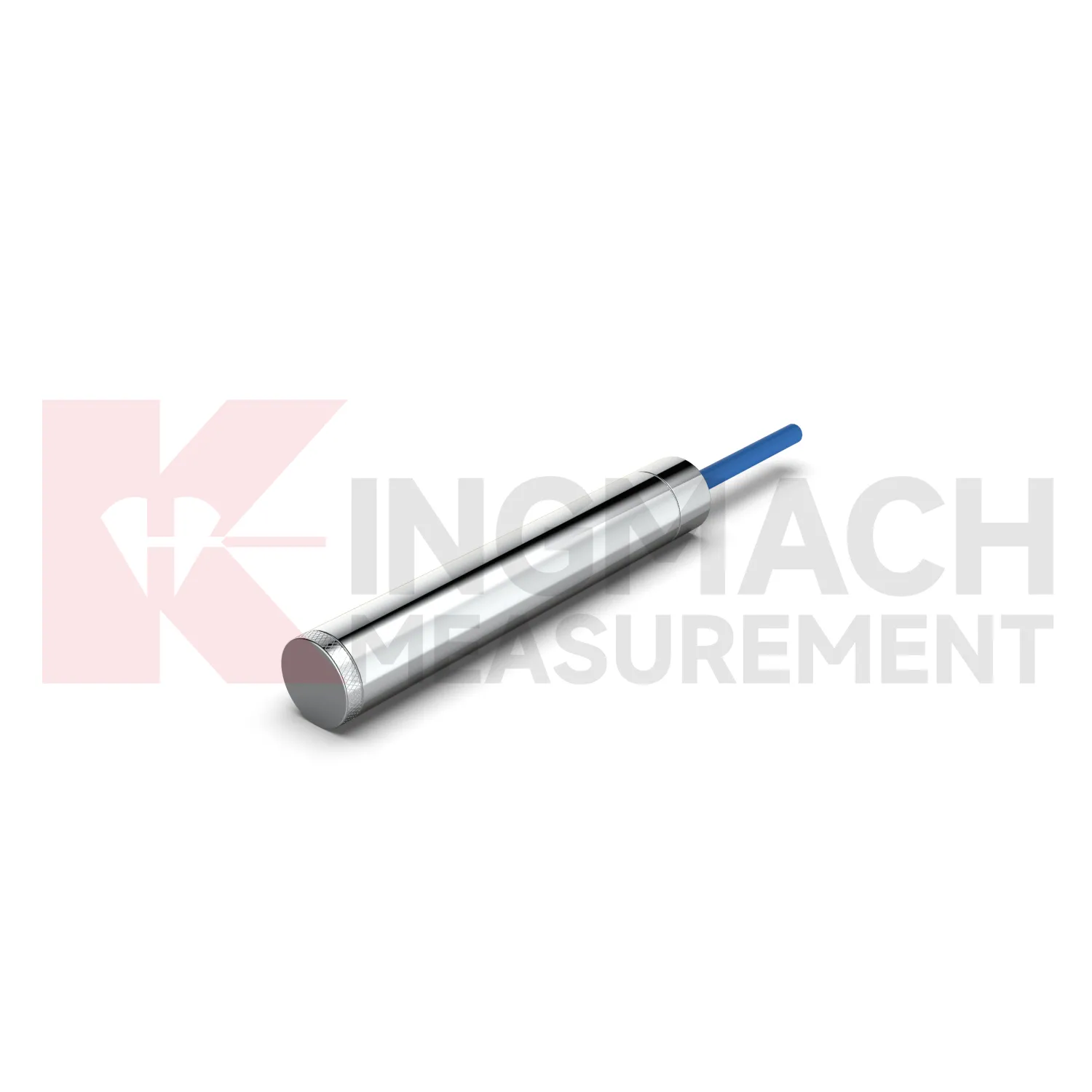
Smart Vibrating Wire PiezometerSmart Piezometers (VW) JMZX-55XXHAT
View Details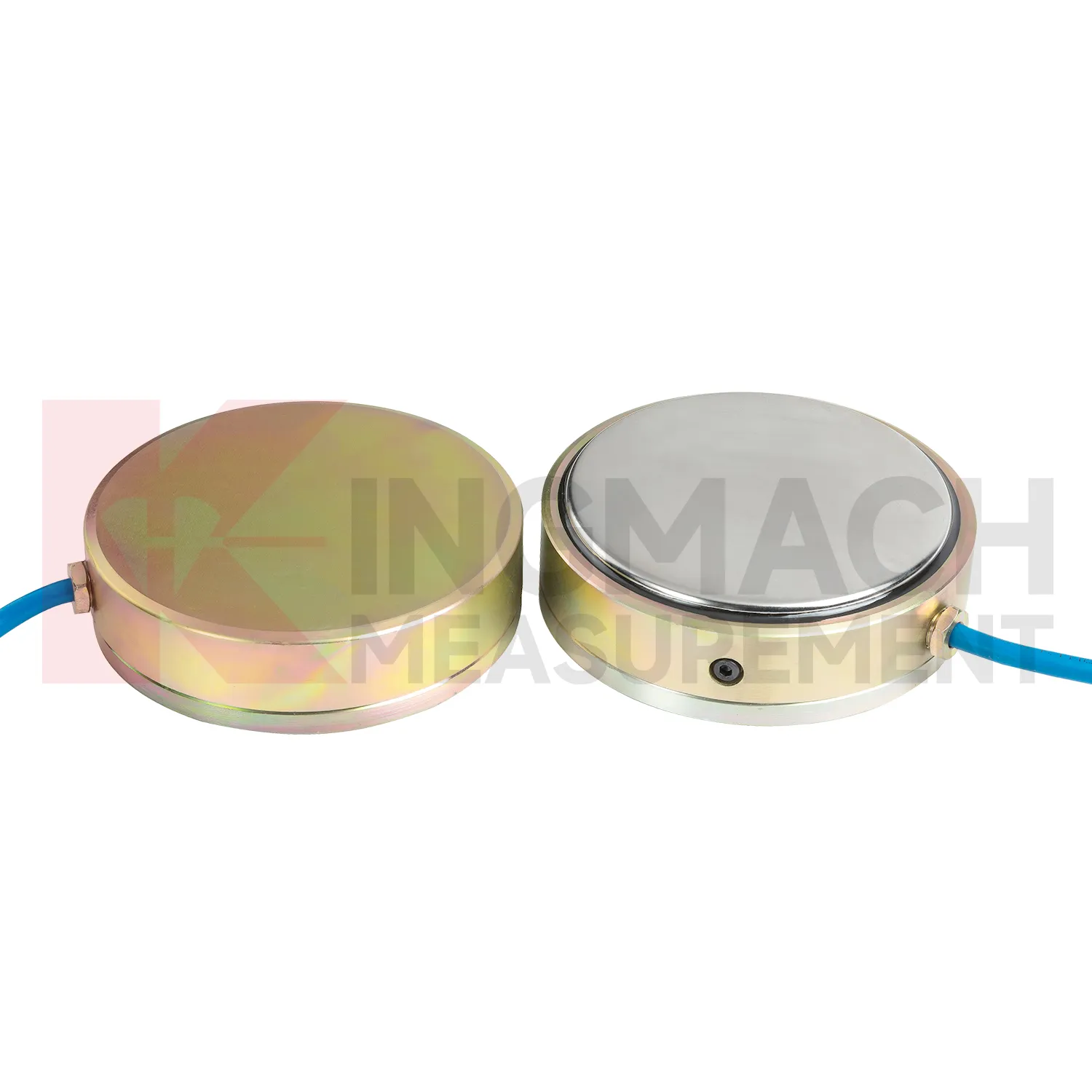
Large Earth Pressure Cell ( VW & Smart Type) JMZX-51XXAT/ ATM
View Details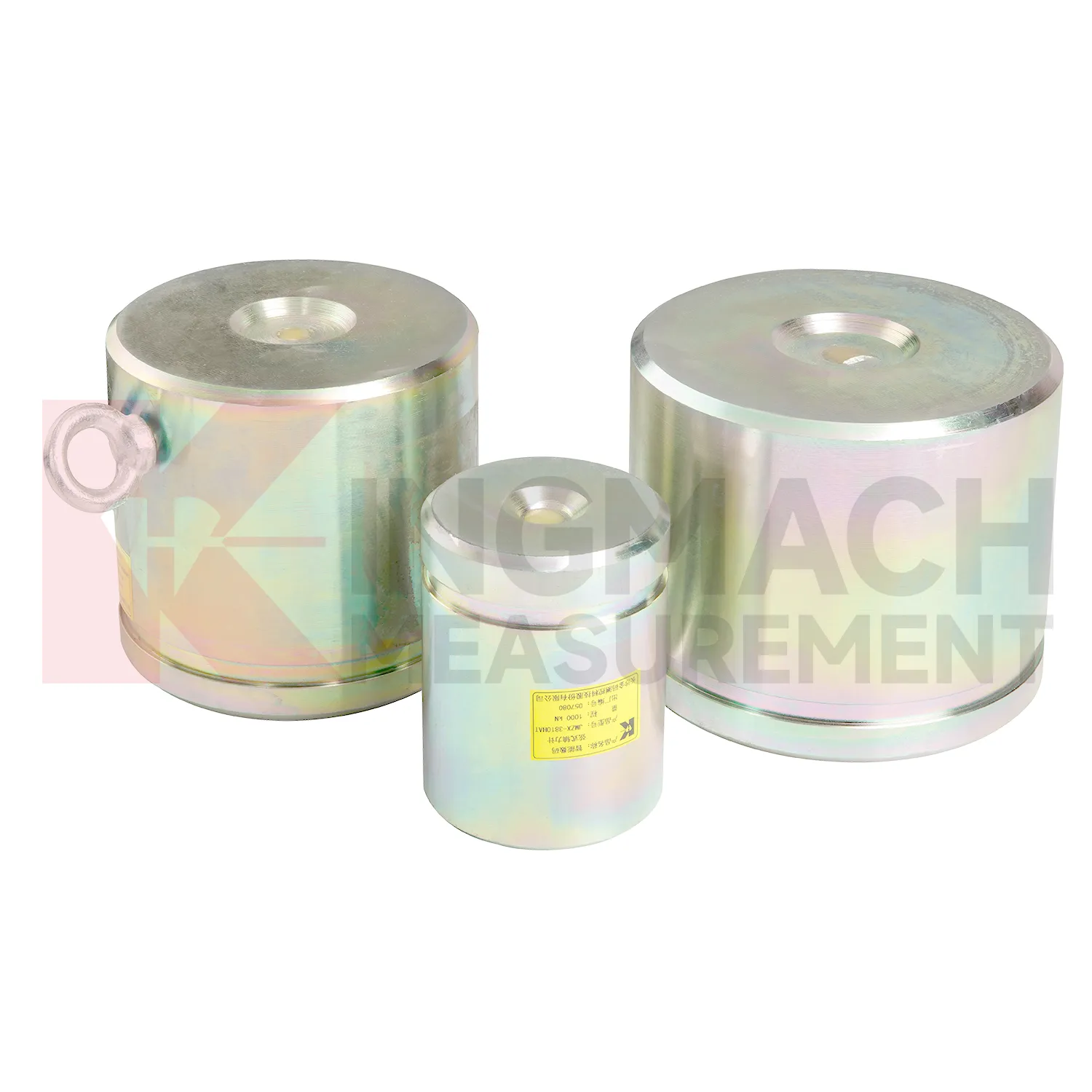
Axial Force Load Meter ( VW & Smart Type)JMZX-38XXHAT
View DetailsFAQ
Most manufacturers suggest annual calibration, but in geotechnical applications with constant loading or harsh environments, every 6 months is safer. Also recalibrate after any overload event, cable damage, or if readings start drifting beyond acceptable limits.
Sometimes. If the cell has a built-in shunt calibration feature, you can verify the electrical output. For a physical calibration, you’ll need a portable hydraulic jack with a reference cell in line, but this depends on accessible mounting points. In many cases, you have to unload or partially dismantle the setup.
Calibration adjusts the sensor’s output to match known references, essentially re-tuning it. Verification just compares the output against those references without making changes. Routine field checks are usually verification; full calibration is done when the cell no longer passes verification tests.
Zero balance is the baseline. If the no-load output is off, your entire measurement range shifts by that error. Span calibration assumes a correct zero point, so skipping it forces you into a false linearization. Always set zero first, then tweak the span.
At minimum, a stable power supply or readout that matches the cell’s excitation, a set of certified dead weights, and a digital multimeter with sufficient resolution. For higher capacities, a hydraulic calibration rig with a reference load cell is standard. Don’t forget a temperature sensor if you need to log conditions.
Share your product type, target capacity, and application requirements. Our team can review the details and recommend a practical next step.
If you are interested in our products or want to become our partner.
Please leave your contact information, our team will contact you as soon as possible.
Mail: [email protected]
Contact Us: +8613808434127
Address: No. 188 Tongzipo West Rd, Changsha, Hunan, China