
 EN
EN
 ar
ar bg
bg hr
hr cs
cs da
da nl
nl fi
fi fr
fr de
de el
el hi
hi it
it ko
ko no
no pl
pl pt
pt ro
ro ru
ru es
es sv
sv tl
tl iw
iw id
id lv
lv lt
lt sr
sr sk
sk sl
sl uk
uk vi
vi et
et hu
hu th
th tr
tr fa
fa ms
ms hy
hy ka
ka ur
ur bn
bn mn
mn ta
ta kk
kk uz
uz ku
ku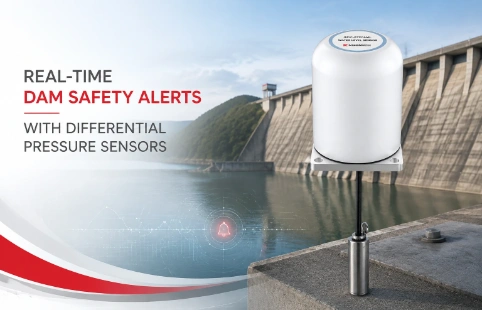
Real-Time Dam Safety Alerts with Differential Pressure Water Level Sensors
Key Takeaways An alert chain needs more than a sensor: define field in...

Compression Load Cells Tailored to Your Project
When a tunnel lining needs to prove its load-bearing capacity, or a deep foundation pile must be monitored for decades, the compression load cell becomes the silent witness. It’s not just about measuring force; it’s about capturing data that engineers can trust. At Kingmach, we’ve spent years refining these sensors to handle the real-world demands of geotechnical installations—wet boreholes, tight spaces, and long-term drift requirements. Our range of compression load cells is built around field-proven strain gauge technology, but the difference lies in the details we adapt for each project: custom cable lengths, mounting flanges that match existing hardware, and signal conditioning that works with your data logger right out of the box. Rather than one-size-fits-all, we treat each cell as part of a monitoring system that needs to survive installation and deliver consistent numbers. From construction sites in Southeast Asia to permanent dam monitoring in Europe, these sensors have become a go-to because they don’t just meet specs; they work when you lower them 30 meters into the ground. This page breaks down the core design, typical specs, and the practical questions you’ll want answered before you spec one in.
Technical Detail
A compression load cell is essentially a transducer that turns axial force into a measurable electrical signal, but in geotechnical circles, it’s often the difference between catching an overload and a costly failure. Kingmach builds its cells around robust strain gauge configurations, usually bonded to a high-grade alloy steel or stainless steel element, depending on the environment. The basic model offers capacities from a few tons to several hundred tons, with outputs like 4-20 mA, mV/V, or digital protocols (RS485) to plug into common readout units. One thing that sets our approach apart is the attention to mechanical protection: we often encase the sensitive components in IP67 or IP68 housings because, let’s face it, boreholes are not dry. Another is the choice of cable exit—radial or axial—so you’re not wrestling with cables in a tight anchor head. We also keep the thick-film circuitry compensated for temperature swings, which matters when you’re measuring pile loads from freezing mornings to hot afternoons. And because every site has its quirks, we offer custom load cell designs with specific mounting holes, load buttons, or integrated signal amplification. This flexibility is backed by our internal calibration lab, which issues traceable certificates with each unit. Globally, our distribution partners help deliver these cells to contractors and monitoring firms without the long lead times that frustrate projects. If your monitoring plan calls for multiple loading points, we can also provide multi-channel readouts or help interface with third-party data acquisition systems. The goal is to hand you a sensor that fits the instrumentation chain, not just a catalog number.
News
Key Takeaways An alert chain needs more than a sensor: define field in...
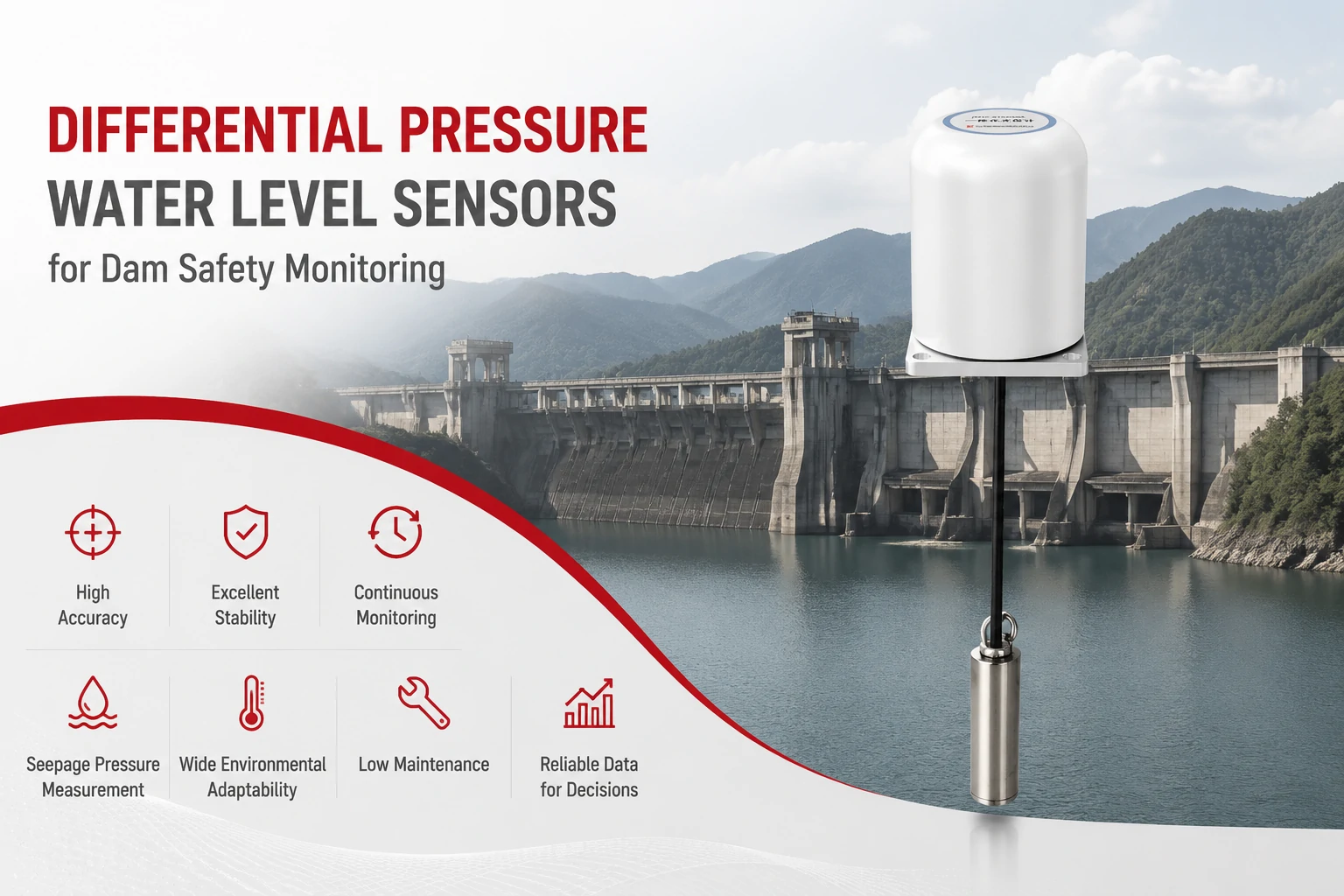
Key Takeaways The strongest fit is usually a confined, submerged, or s...
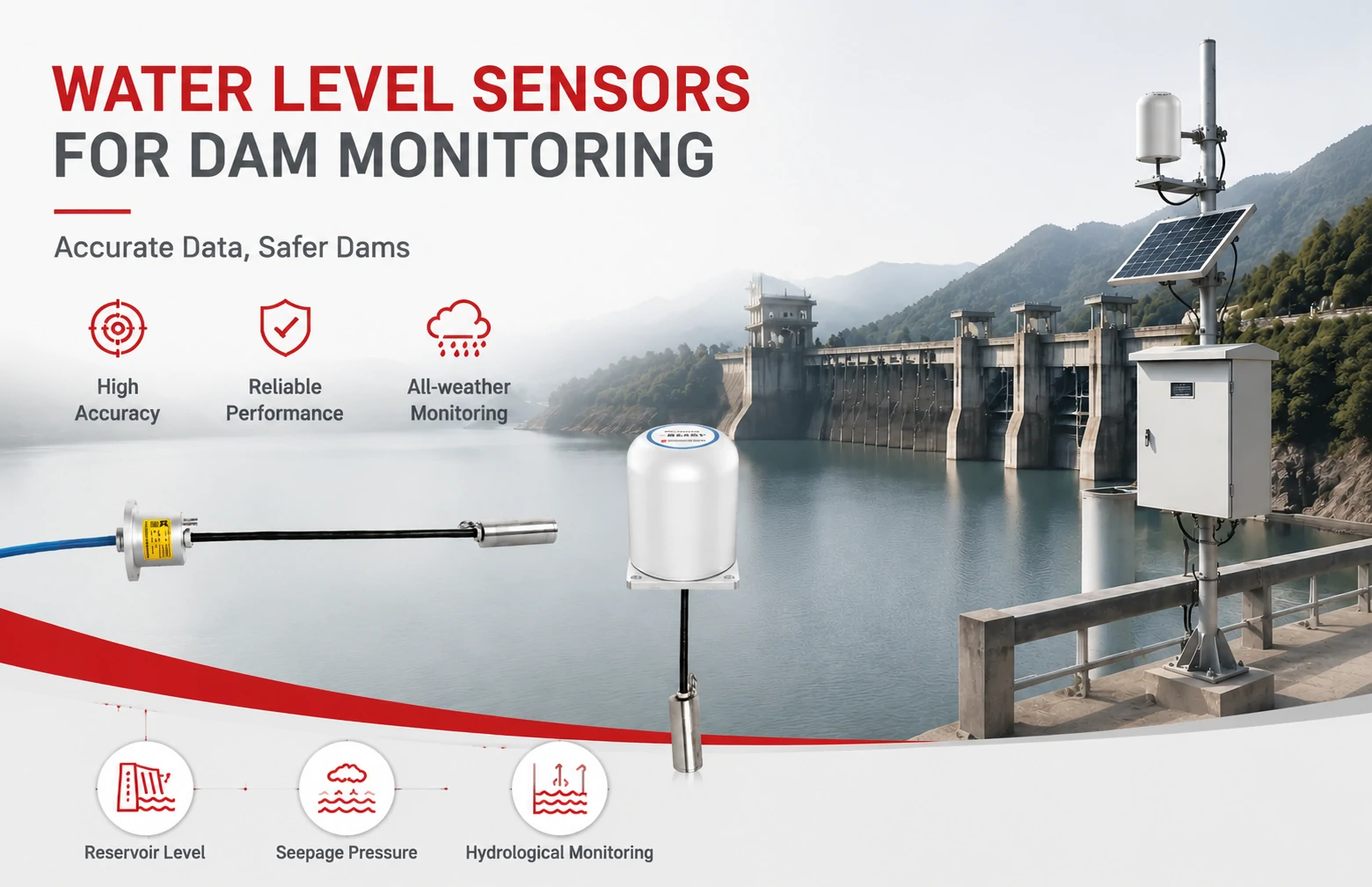
Kingmach Water Level Sensors for Dam Monitoring: A Buyer's Guide to Differential Pre...
Products
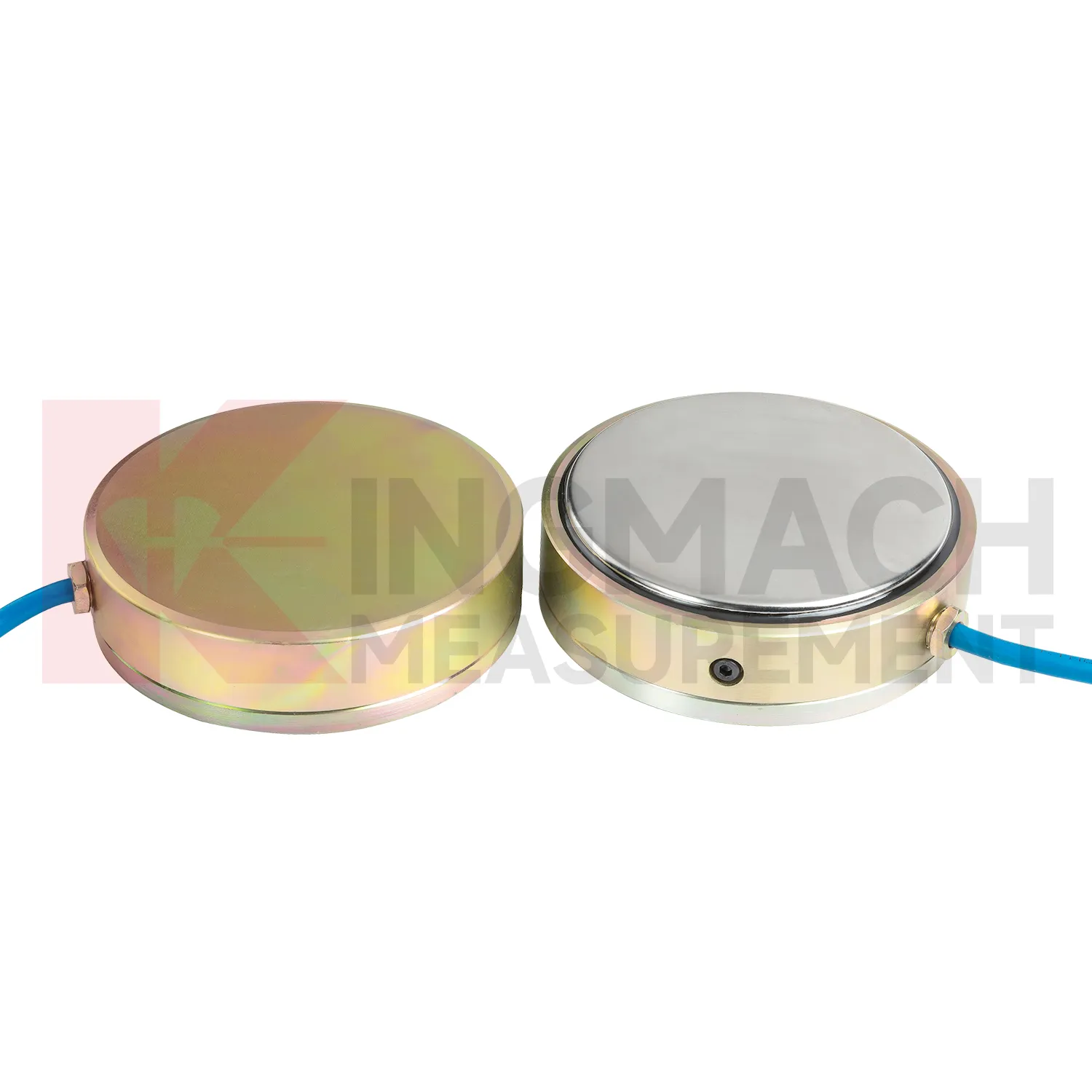
Earth Pressure Cell ( VW & Smart Type) JMZX-50XXAT/ ATM
View Details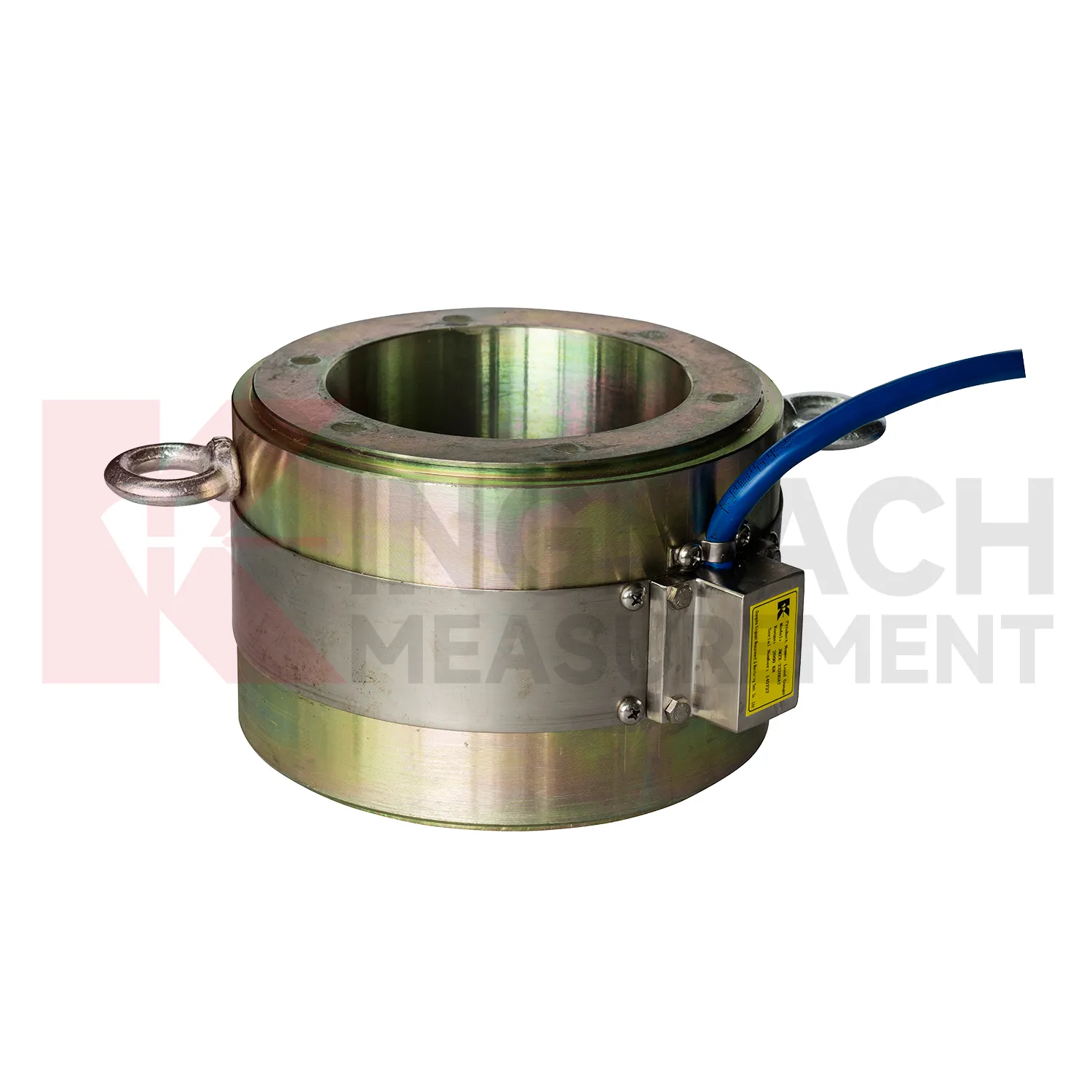
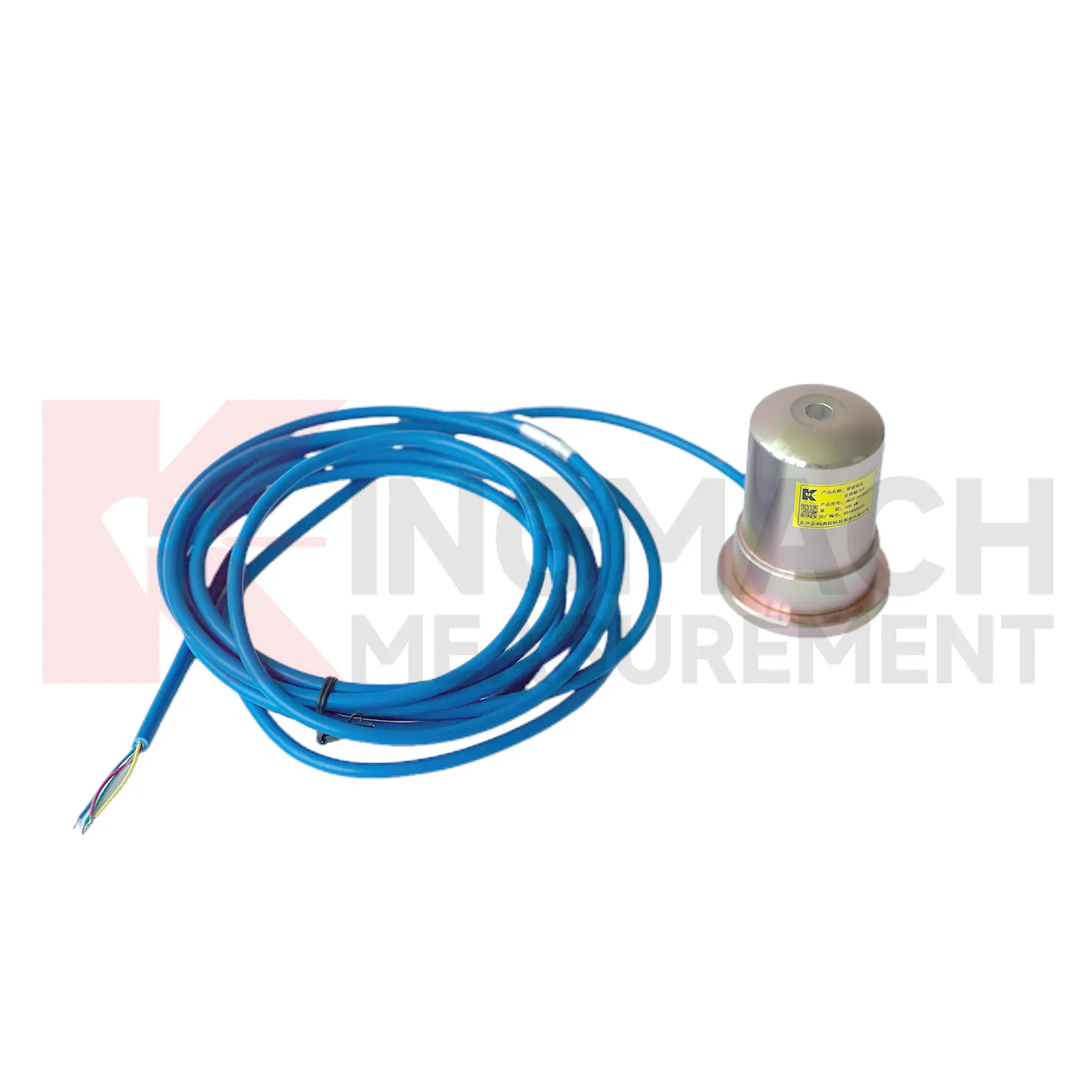
Smart Formwork Axial Force Meter(VW)JMZX-39XXHAT
View DetailsFAQ
Most of our standard cells deliver a combined error of about 0.05% to 0.1% of full scale, including non-linearity, hysteresis, and repeatability. We can also supply higher-accuracy units for laboratory-grade applications; just let your contact know what you need.
Yes, many models are available with IP67 or IP68 sealing. This means they can handle temporary immersion or long-term submersion in shallow water, but it’s always good to specify the expected depth and duration so we pick the right cable gland and seal material.
It depends on your setup. Solid cells are simpler and often more compact for dead-end applications. Center-hole types are useful if you need to run a tendon, rebar, or cable through the sensor—common in tie-back anchors and rock bolts. We can help you decide based on your loading fixture.
4-20 mA is popular because it’s noise-resistant over long cables. For digital networks, we can provide RS485 with Modbus RTU protocol, which lets you daisy-chain multiple cells and pull data into a central logger without signal loss.
Absolutely. We routinely adjust flange dimensions, bolt-hole patterns, and overall height to fit existing steelwork. Send us a drawing or a sketch, and our engineering team will propose a design—usually within a week.
Share your product type, target capacity, and application requirements. Our team can review the details and recommend a practical next step.
If you are interested in our products or want to become our partner.
Please leave your contact information, our team will contact you as soon as possible.
Mail: [email protected]
Contact Us: +8613808434127
Address: No. 188 Tongzipo West Rd, Changsha, Hunan, China