
 EN
EN
 ar
ar bg
bg hr
hr cs
cs da
da nl
nl fi
fi fr
fr de
de el
el hi
hi it
it ko
ko no
no pl
pl pt
pt ro
ro ru
ru es
es sv
sv tl
tl iw
iw id
id lv
lv lt
lt sr
sr sk
sk sl
sl uk
uk vi
vi et
et hu
hu th
th tr
tr fa
fa ms
ms hy
hy ka
ka ur
ur bn
bn mn
mn ta
ta kk
kk uz
uz ku
ku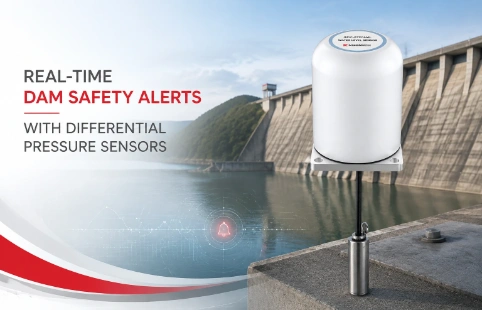
Real-Time Dam Safety Alerts with Differential Pressure Water Level Sensors
Key Takeaways An alert chain needs more than a sensor: define field in...

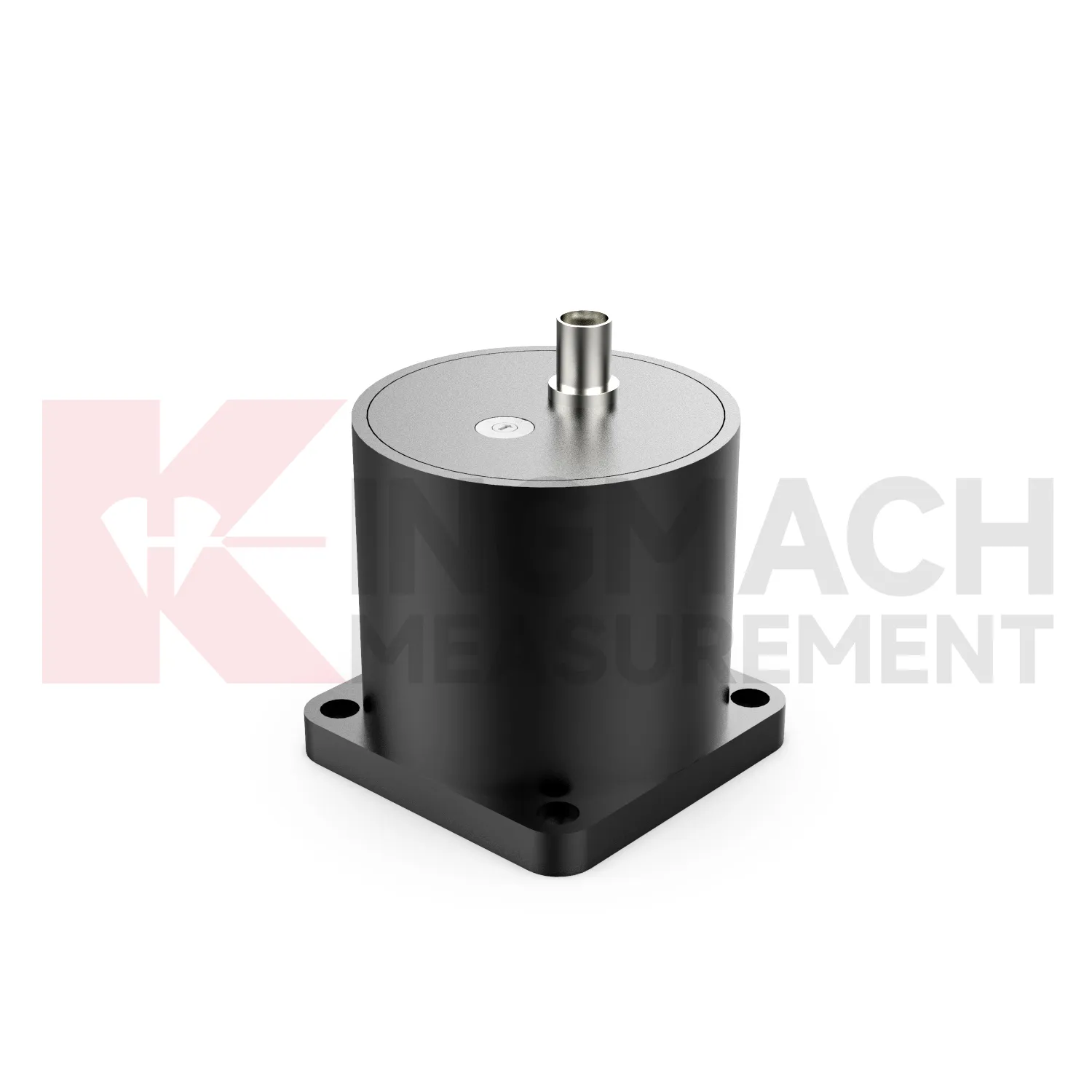
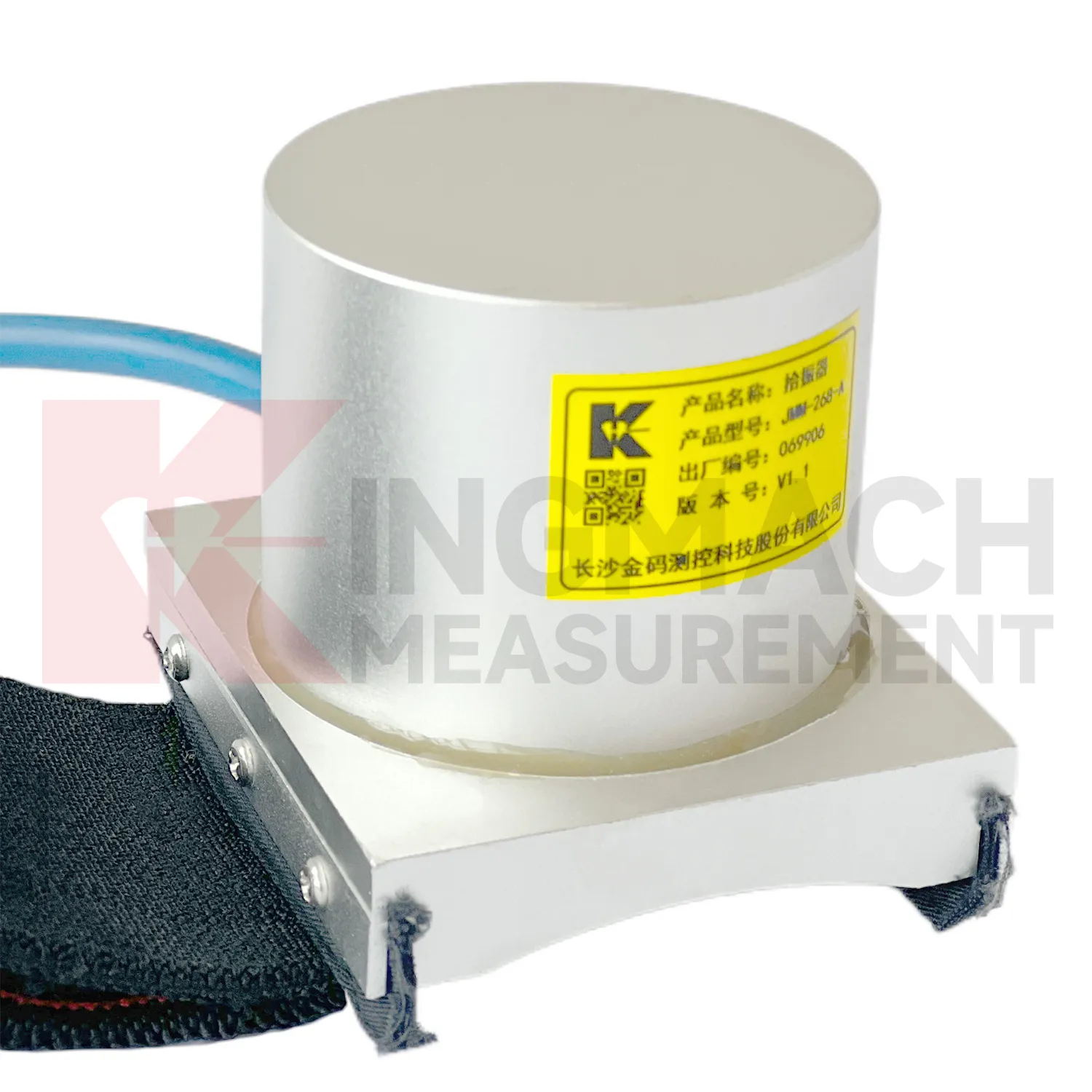
Capacitive Vibration Pickup for Reliable Low-Frequency Monitoring
Owners of bridges, dams, and industrial machinery often need to catch small, slow movements before they become big problems. A capacitive vibration pickup is designed specifically for those low-frequency signals, where other sensors may struggle. At Kingmach, we've focused on making these sensors part of a broader monitoring toolkit, backed by decades of geotechnical instrumentation experience. Whether you're tracking seismic activity or the health of a turbine foundation, the right pickup makes subtle trends visible — without drowning in data noise.
Technical Detail
Capacitive vibration pickups rely on changes in electrical capacitance to detect motion, which gives them a natural advantage at low frequencies — typically from near DC up to a few hundred hertz. Unlike piezoelectric sensors that excel at higher frequencies, capacitive designs maintain stable sensitivity even when vibrations are slow and faint. This makes them a solid fit for structural health monitoring on massive civil works, where the fundamental frequencies are often below 1 Hz. Kingmach draws on years of supplying geotechnical instruments to offer capacitive pickups that slot into larger monitoring systems. Custom cable lengths, connector types, and mounting brackets are part of our routine, not an upsell. Engineers planning long-term installations also find these sensors practical because they can interface with common data loggers without extra signal conditioning. We've heard from field technicians that setup is straightforward: run the cable, position the sensor on a stable surface, and start logging. Over time, the pickup delivers consistent readings that help asset managers identify gradual shifts — the kind that might otherwise go unnoticed until they become costly repairs.
News
Key Takeaways An alert chain needs more than a sensor: define field in...
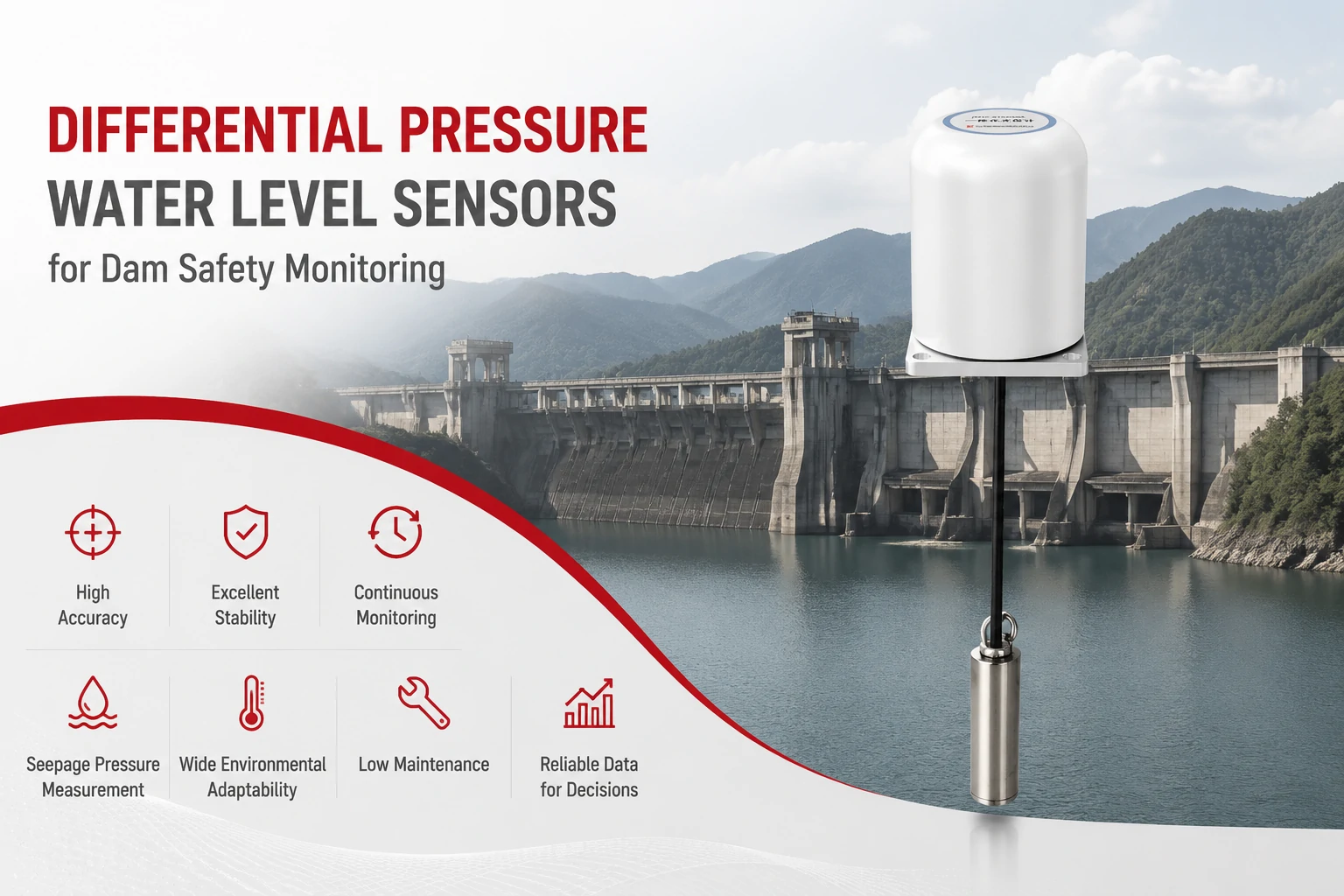
Key Takeaways The strongest fit is usually a confined, submerged, or s...
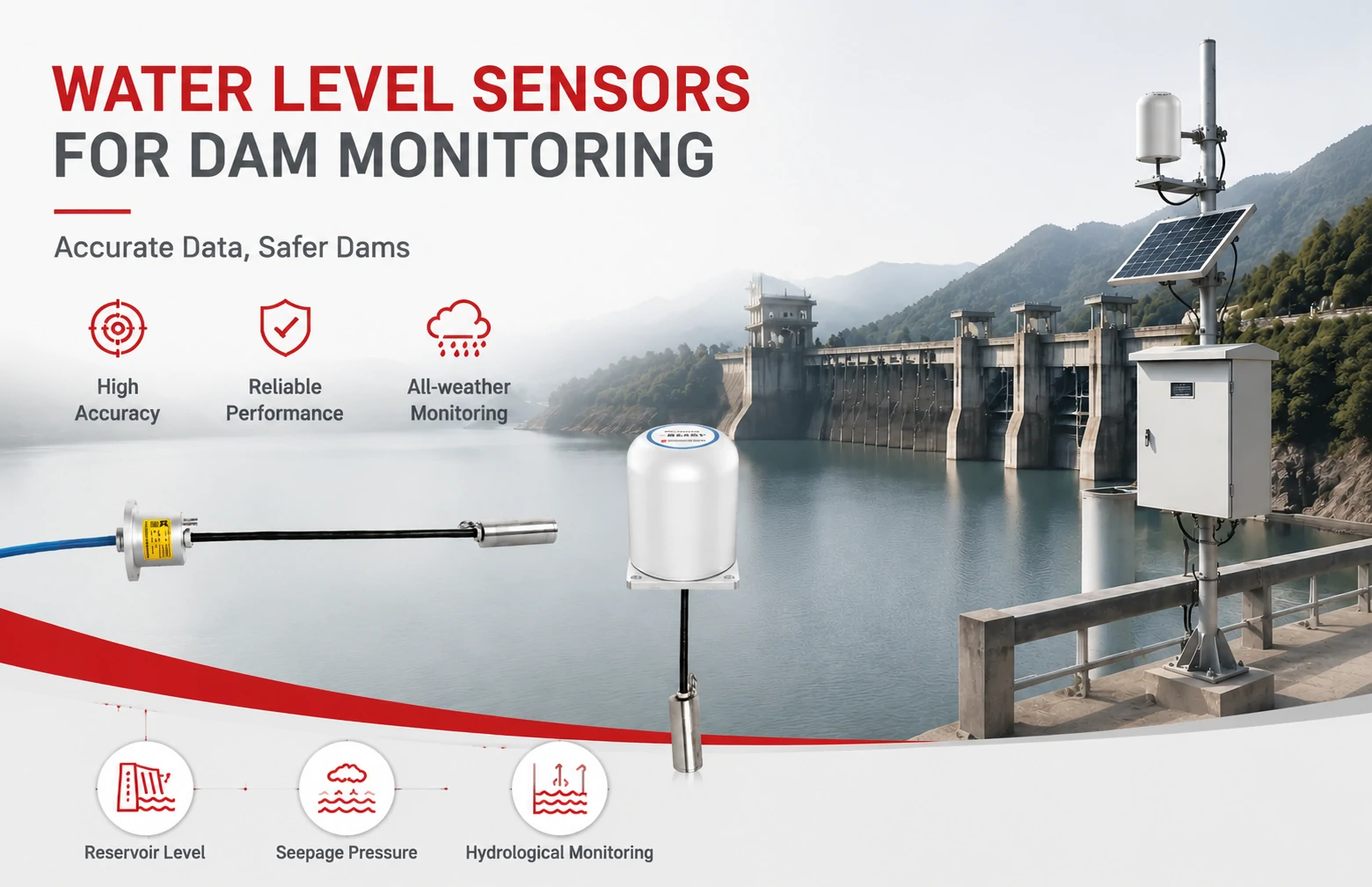
Kingmach Water Level Sensors for Dam Monitoring: A Buyer's Guide to Differential Pre...
Products
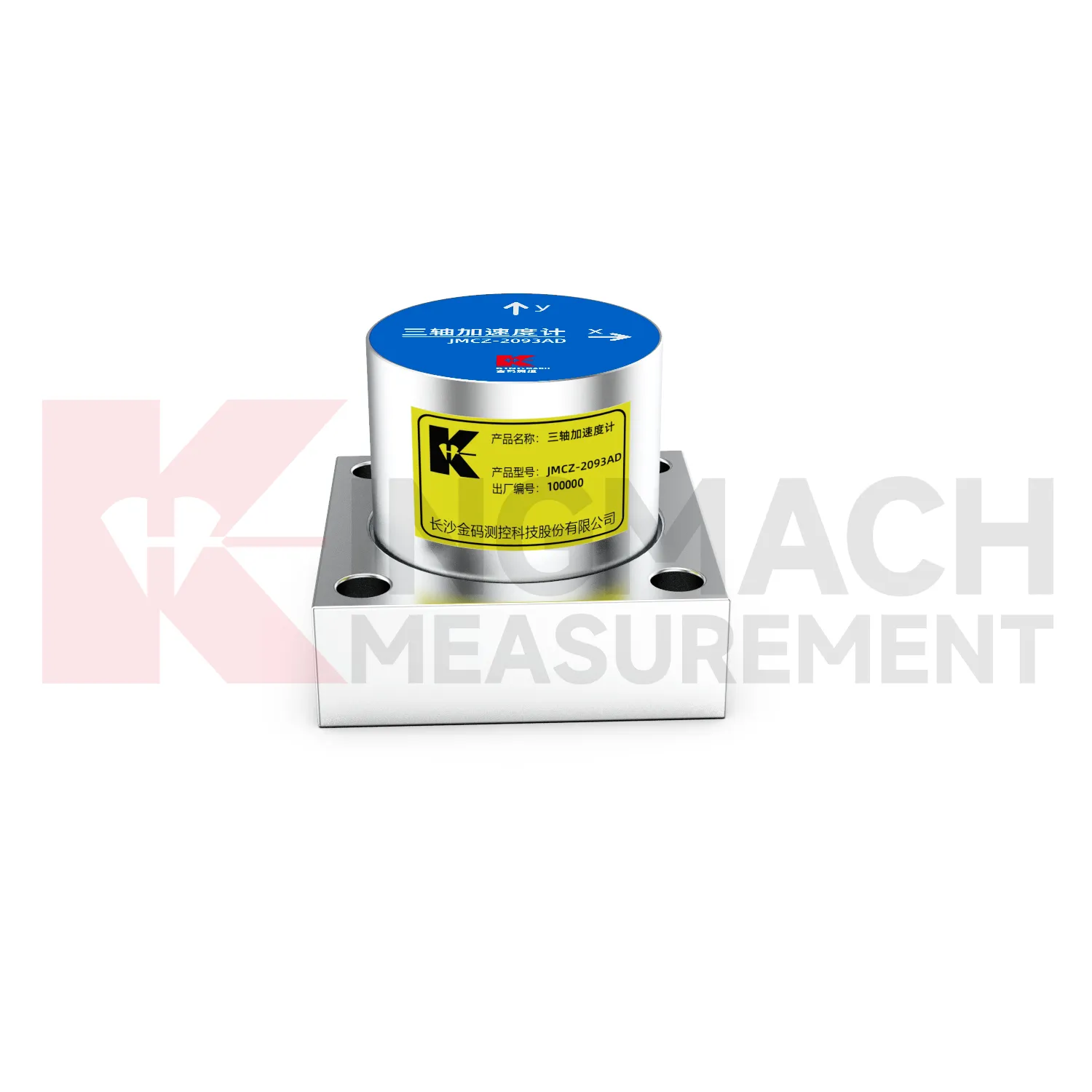
FAQ
A capacitive pickup measures vibration through changes in capacitance between internal plates, which allows it to respond down to very low frequencies — even static acceleration. Piezoelectric accelerometers, on the other hand, generate a charge when stressed, so they have a low‑frequency limit and are better suited for higher frequency applications. If your monitoring target involves slow, subtle movements, the capacitive type is usually the better choice.
You'll often see them used in structural health monitoring of bridges, dams, and historical buildings, where engineers track slow deformations. They're also applied in seismic stations, tilt monitoring on foundation slabs, and low‑speed rotating machinery: anywhere the vibration energy is concentrated at low frequencies.
Yes, that's a core part of our service. We routinely adjust cable lengths, connector types, mounting hardware, and even sensitivity ranges to match specific project requirements. Just get in touch with our technical team with your needs, and we'll work out a configuration.
These sensors have no moving parts, so maintenance is minimal. The main tasks are keeping the connector clean and occasionally recalibrating according to your quality protocols. In permanent installations, the sensor often runs for years without intervention.
Focus first on the frequency range you need to monitor. If the primary vibrations are below roughly 10 Hz, a capacitive pickup will likely give you more reliable data. Above that, piezoelectric sensors often provide better bandwidth and durability. Many long‑term monitoring projects actually use both types side by side to cover a wider spectrum.
Share your product type, target capacity, and application requirements. Our team can review the details and recommend a practical next step.
If you are interested in our products or want to become our partner.
Please leave your contact information, our team will contact you as soon as possible.
Mail: [email protected]
Contact Us: +8613808434127
Address: No. 188 Tongzipo West Rd, Changsha, Hunan, China