
 EN
EN
 ar
ar bg
bg hr
hr cs
cs da
da nl
nl fi
fi fr
fr de
de el
el hi
hi it
it ko
ko no
no pl
pl pt
pt ro
ro ru
ru es
es sv
sv tl
tl iw
iw id
id lv
lv lt
lt sr
sr sk
sk sl
sl uk
uk vi
vi et
et hu
hu th
th tr
tr fa
fa ms
ms hy
hy ka
ka ur
ur bn
bn mn
mn ta
ta kk
kk uz
uz ku
ku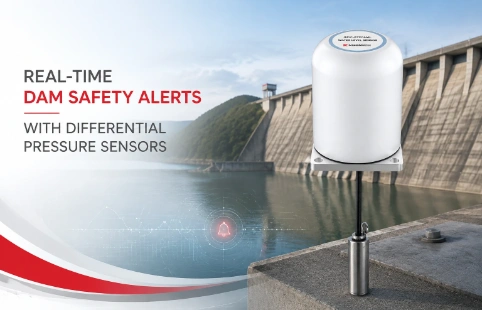
Real-Time Dam Safety Alerts with Differential Pressure Water Level Sensors
Key Takeaways An alert chain needs more than a sensor: define field in...

2 Axis Digital Inclinometer for Reliable Field Monitoring
In slope monitoring, a shift of 0.1° can be an early warning. A 2 axis digital inclinometer captures that tiny change across two planes simultaneously. Kingmach, a manufacturer of geotechnical instruments, supplies these devices to engineers who track ground movement in real time. Whether it’s a landslide-prone cut slope, a deep excavation, or a settling dam, dual-axis measurement gives a clearer picture of deformation. The digital output eliminates the drift and reading errors common with older analog systems. And because project sites can be rough, the instrument is built to handle dust, water, and temperature swings. This page explains what Kingmach’s 2 axis digital inclinometer offers, how it is typically deployed, and which applications benefit most from its use.
Technical Detail
Kingmach’s 2 axis digital inclinometer is a portable, dual-axis tilt sensor designed for geotechnical and structural monitoring. It typically uses a MEMS sensing element that measures inclination in the X and Y axes with resolution down to 0.001°. Data is sent digitally, often over RS-485 or wirelessly via Bluetooth, to a handheld field logger or a PC running companion software. Installation can be permanent or for spot checks. For inclinometer casing surveys, the probe is lowered into a grooved pipe; for surface monitoring, brackets or magnetic mounts are options. A single operator can manage the setup – no complex alignment needed. The instrument compensates for temperature drift automatically, so readings stay consistent through hot days and cold nights. Kingmach produces these inclinometers as part of a wider range of monitoring instruments. Because the company handles design and manufacturing, customization is common: different cable lengths, connector types, or mounting accessories to fit a specific project. Global distribution means the device reaches sites from Andean dams to Asian metro tunnels, with after-sales support available for calibration and troubleshooting. Practical benefits include fast sample rates for dynamic events, low power consumption for long-term monitoring, and compatibility with third-party data loggers. The dual-axis design reduces the number of instruments needed – one sensor does the work of two single-axis units. Engineers use it in landslide early warning systems, tunnel convergence measurement, retaining wall tilt monitoring, and pile load tests. For mid-range budgets, it balances accuracy and cost without sacrificing robustness.
News
Key Takeaways An alert chain needs more than a sensor: define field in...
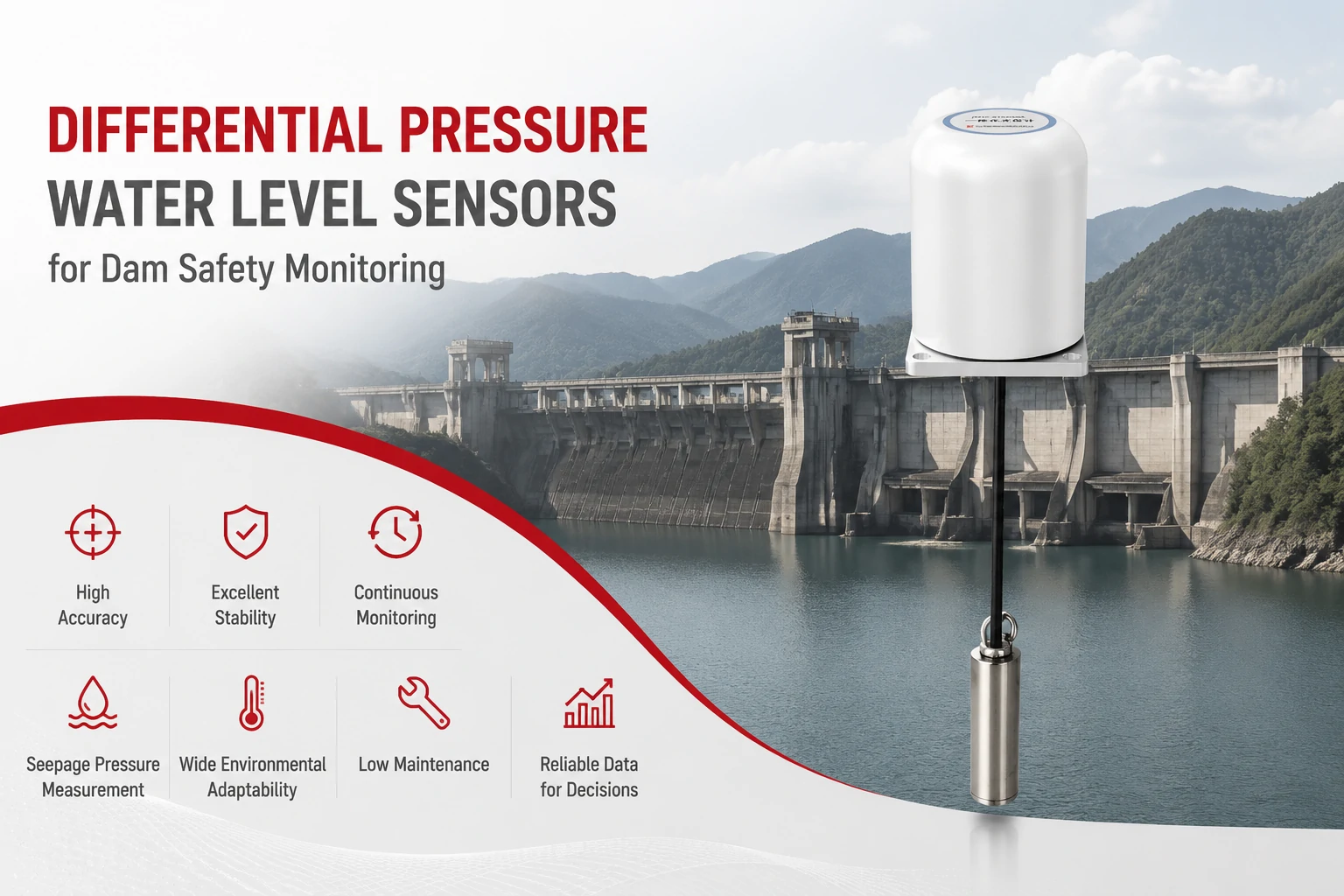
Key Takeaways The strongest fit is usually a confined, submerged, or s...
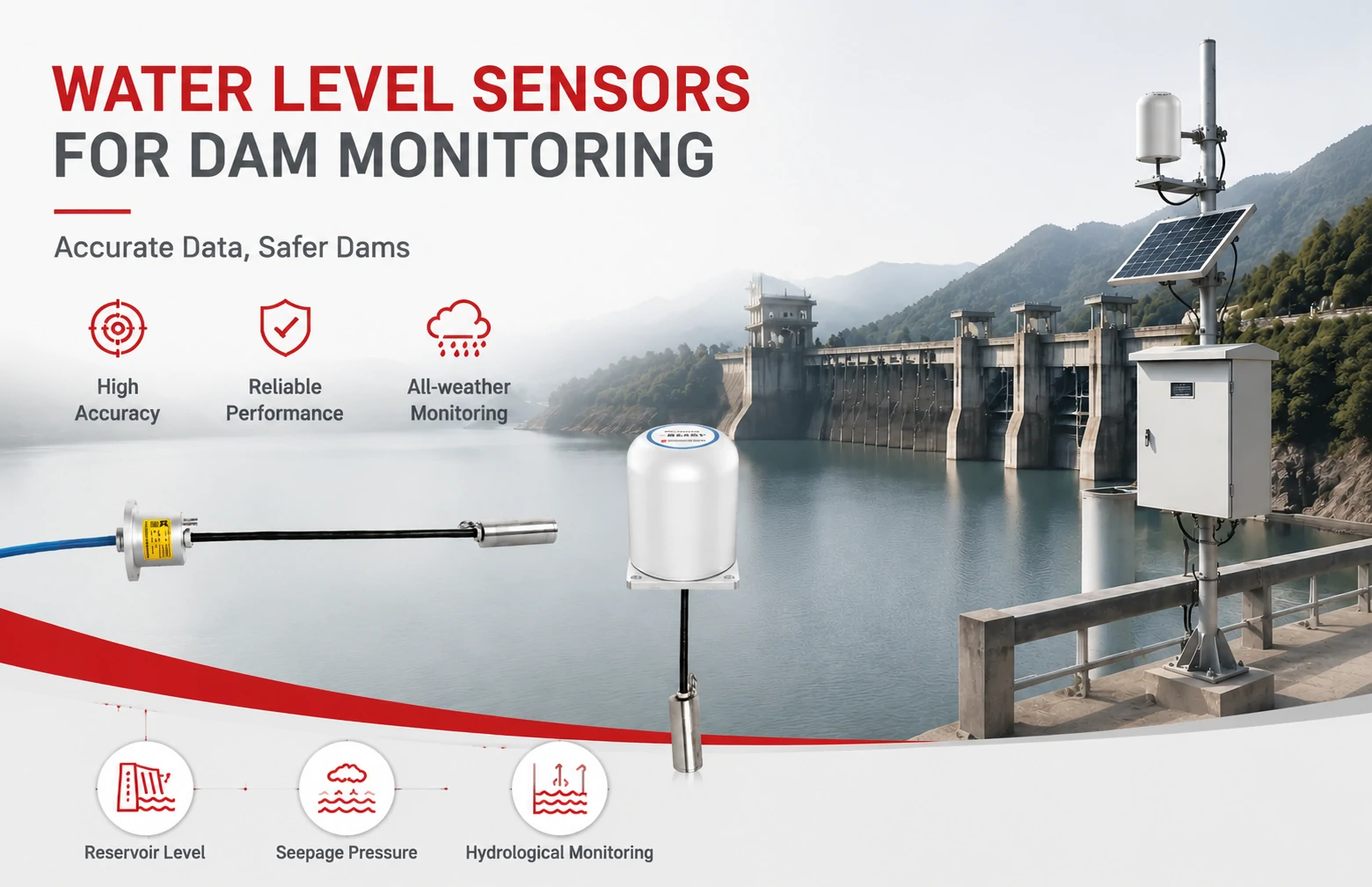
Kingmach Water Level Sensors for Dam Monitoring: A Buyer's Guide to Differential Pre...
Products
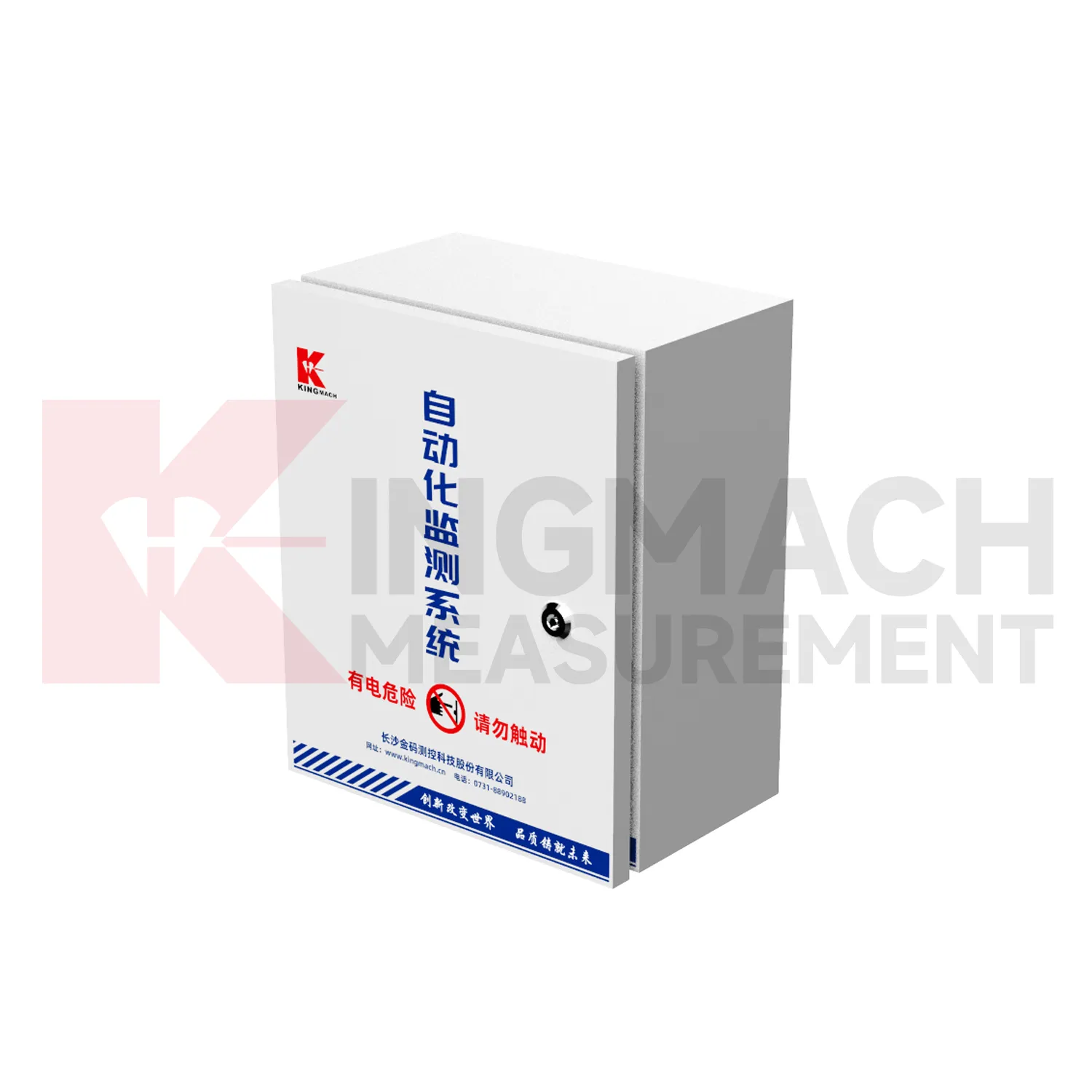
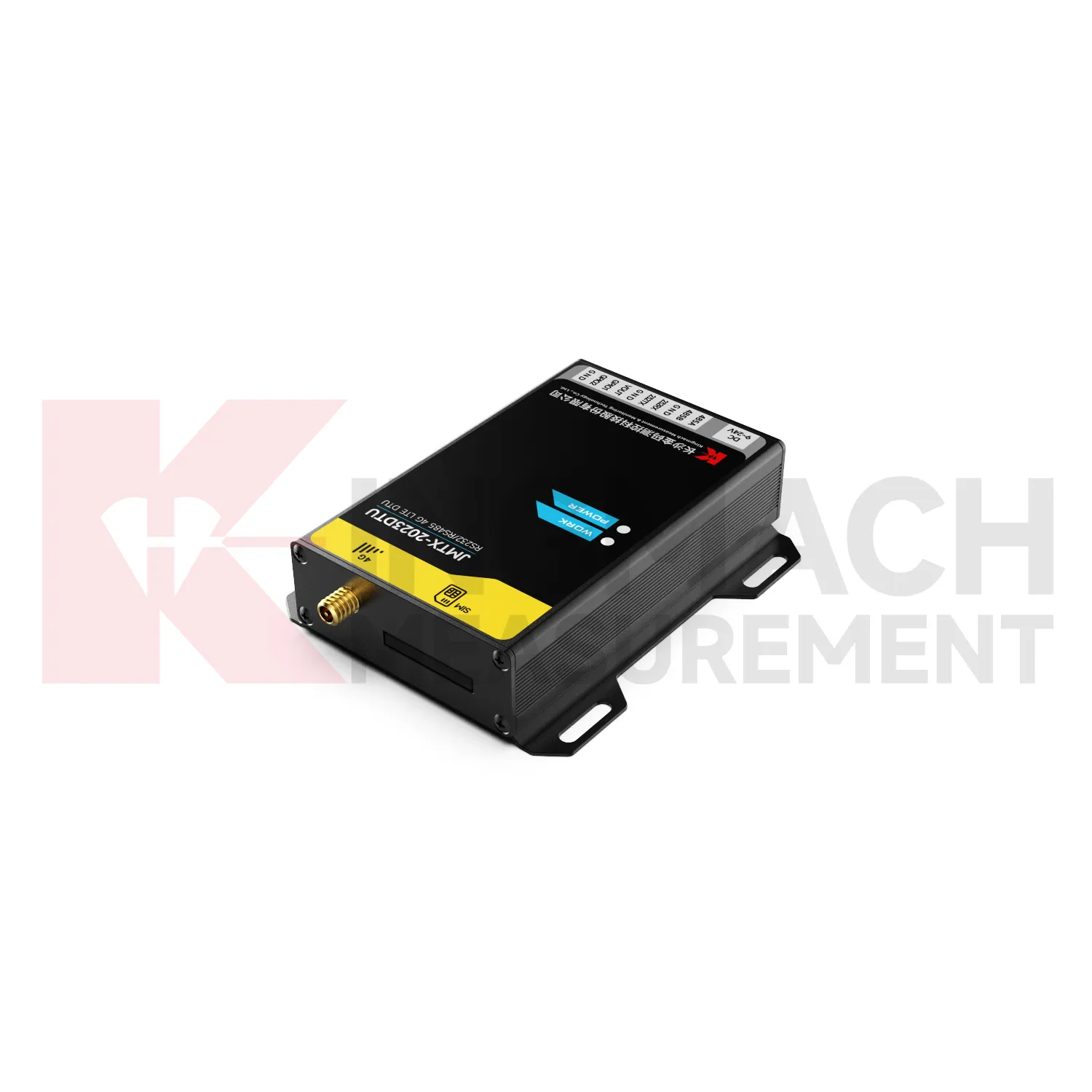
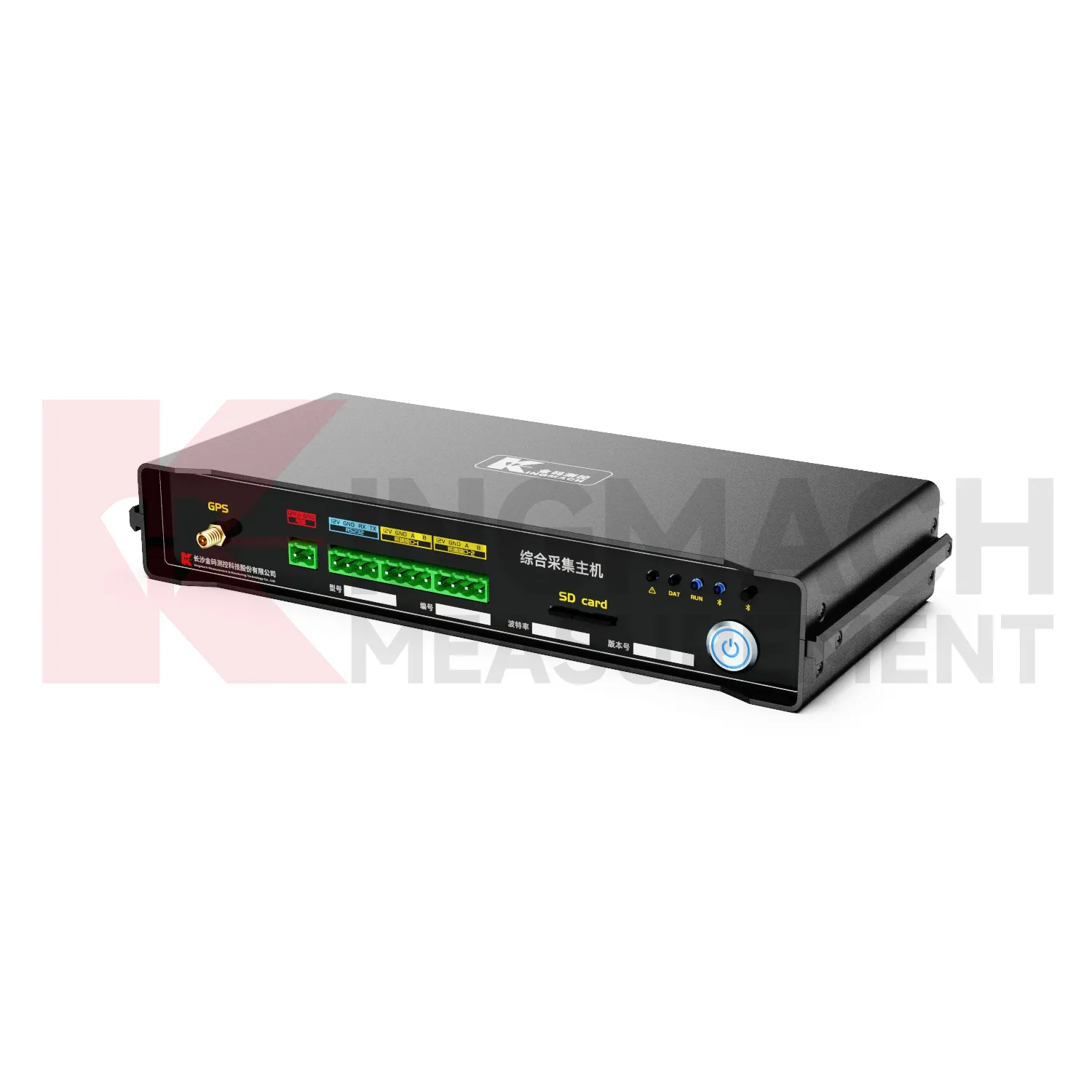
Comprehensive Acquisition Host Unit JMZX-5ZH
View DetailsFAQ
A single-axis inclinometer measures tilt in one direction, say fore-aft. A 2 axis model measures tilt in two perpendicular directions at the same time, giving you both fore-aft and side-to-side movement. In a landslide, for example, you need both downslope and lateral creep data. A dual-axis sensor captures that in one reading, which is often more efficient than installing two single-axis instruments.
Most digital inclinometers in this class resolve down to 0.01° or better. In practical terms, that means you can detect a few millimeters of movement in a 30-meter borehole. Accuracy depends on sensor quality and calibration, but Kingmach’s instruments are factory-calibrated and include automatic temperature compensation to maintain that accuracy outdoors.
Yes. Many permanent installations run for months or years. The inclinometer is often powered by solar panels or batteries, and with low-power design, it can operate autonomously. Data can be fed into a remote monitoring system or SCADA so you don’t have to visit the site often.
Typically, you’ll find RS-485 Modbus RTU and sometimes Bluetooth for short-range wireless. Analog outputs like 4–20 mA are also available on some models. These interfaces make it easy to connect to common data loggers, PLCs, or wireless nodes without extra signal conditioning.
If you have standard grooved casing (like 70 mm ABS pipe), the probe simply slides in using a cable with depth markings. The probe’s wheel assembly follows the grooves, so alignment is automatic. For surface installation, magnetic feet or threaded holes let you fix the sensor to steel or concrete. It’s a job that one person can manage in a few minutes.
Share your product type, target capacity, and application requirements. Our team can review the details and recommend a practical next step.
If you are interested in our products or want to become our partner.
Please leave your contact information, our team will contact you as soon as possible.
Mail: [email protected]
Contact Us: +8613808434127
Address: No. 188 Tongzipo West Rd, Changsha, Hunan, China