
 EN
EN
 ar
ar bg
bg hr
hr cs
cs da
da nl
nl fi
fi fr
fr de
de el
el hi
hi it
it ko
ko no
no pl
pl pt
pt ro
ro ru
ru es
es sv
sv tl
tl iw
iw id
id lv
lv lt
lt sr
sr sk
sk sl
sl uk
uk vi
vi et
et hu
hu th
th tr
tr fa
fa ms
ms hy
hy ka
ka ur
ur bn
bn mn
mn ta
ta kk
kk uz
uz ku
ku
inclinometer clinometer
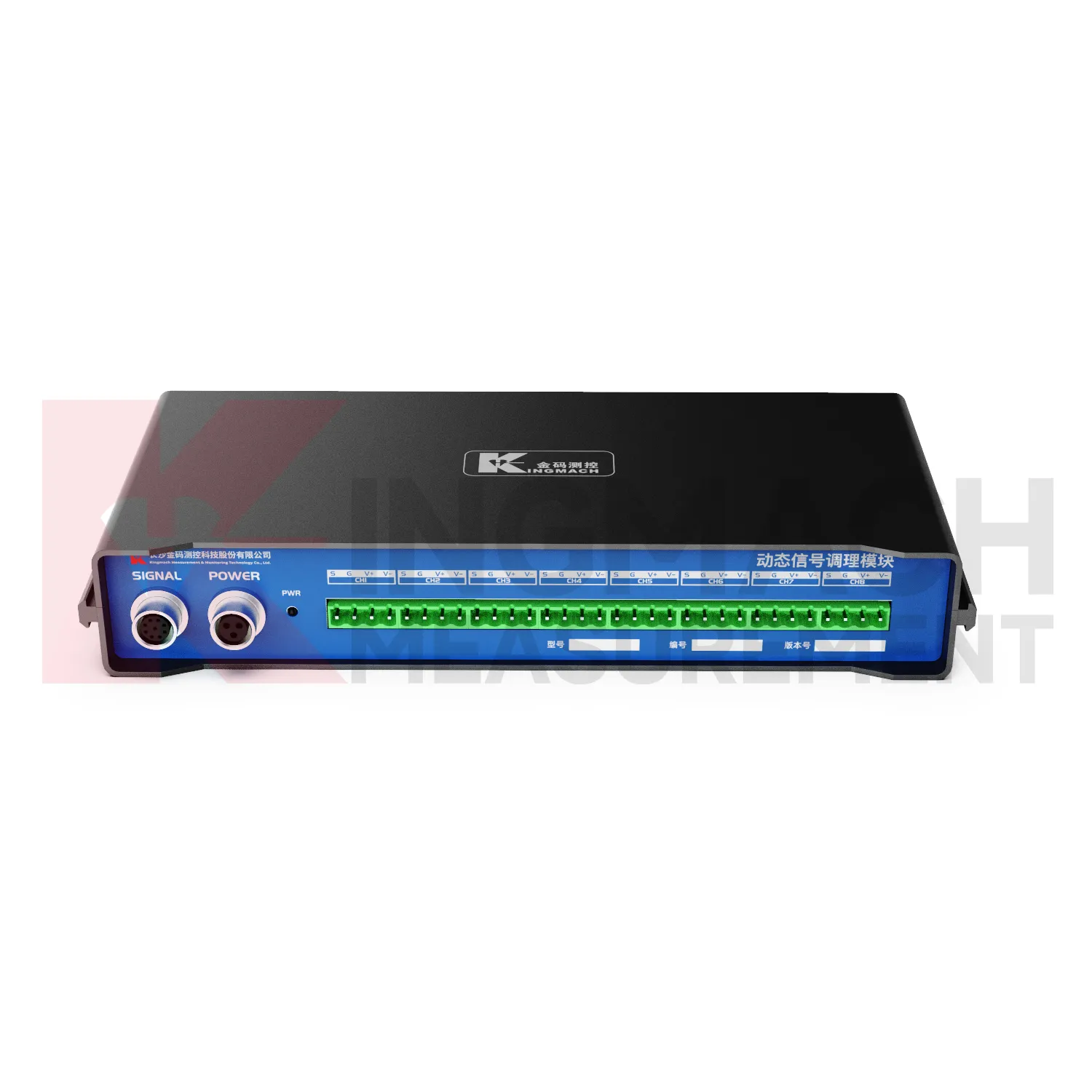
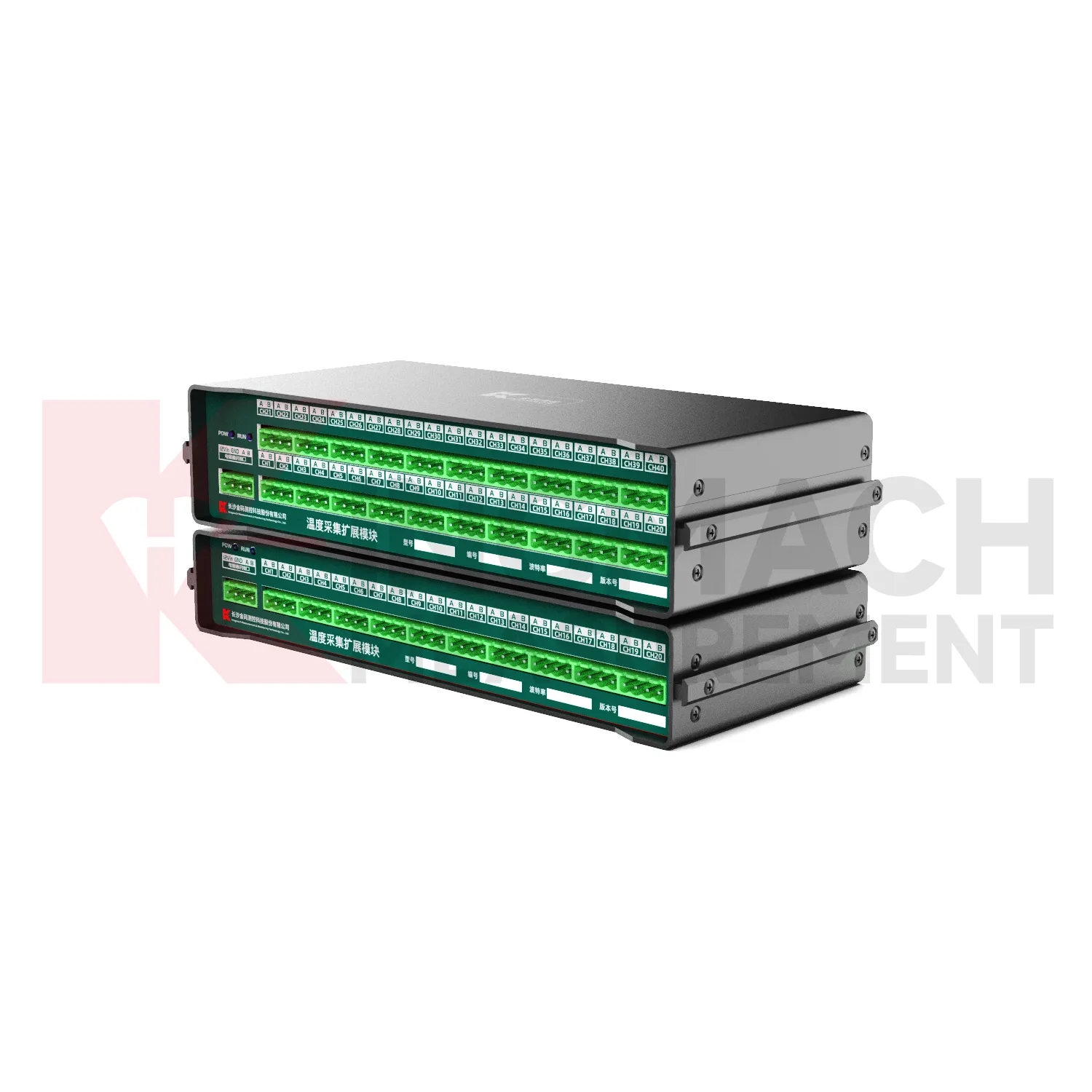
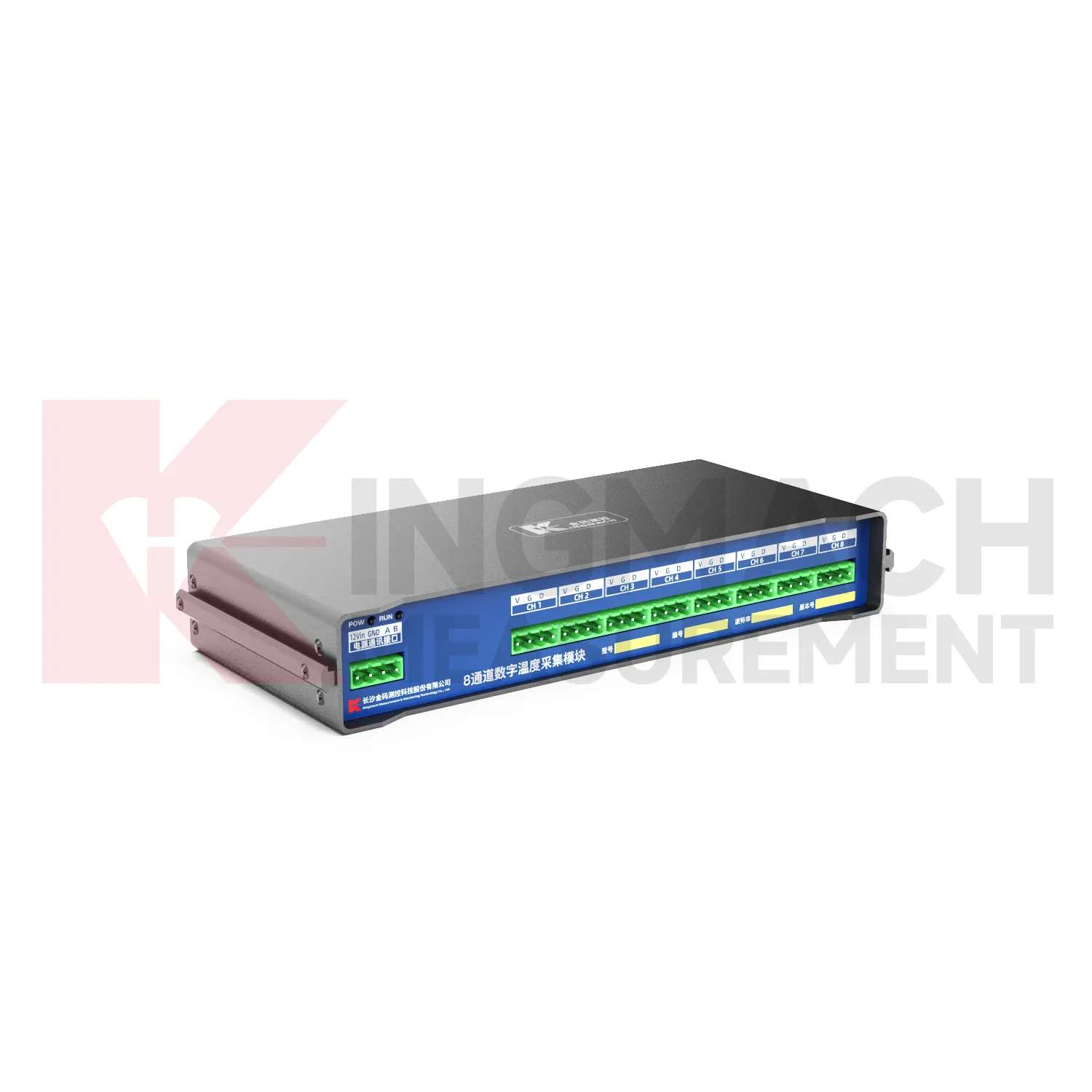
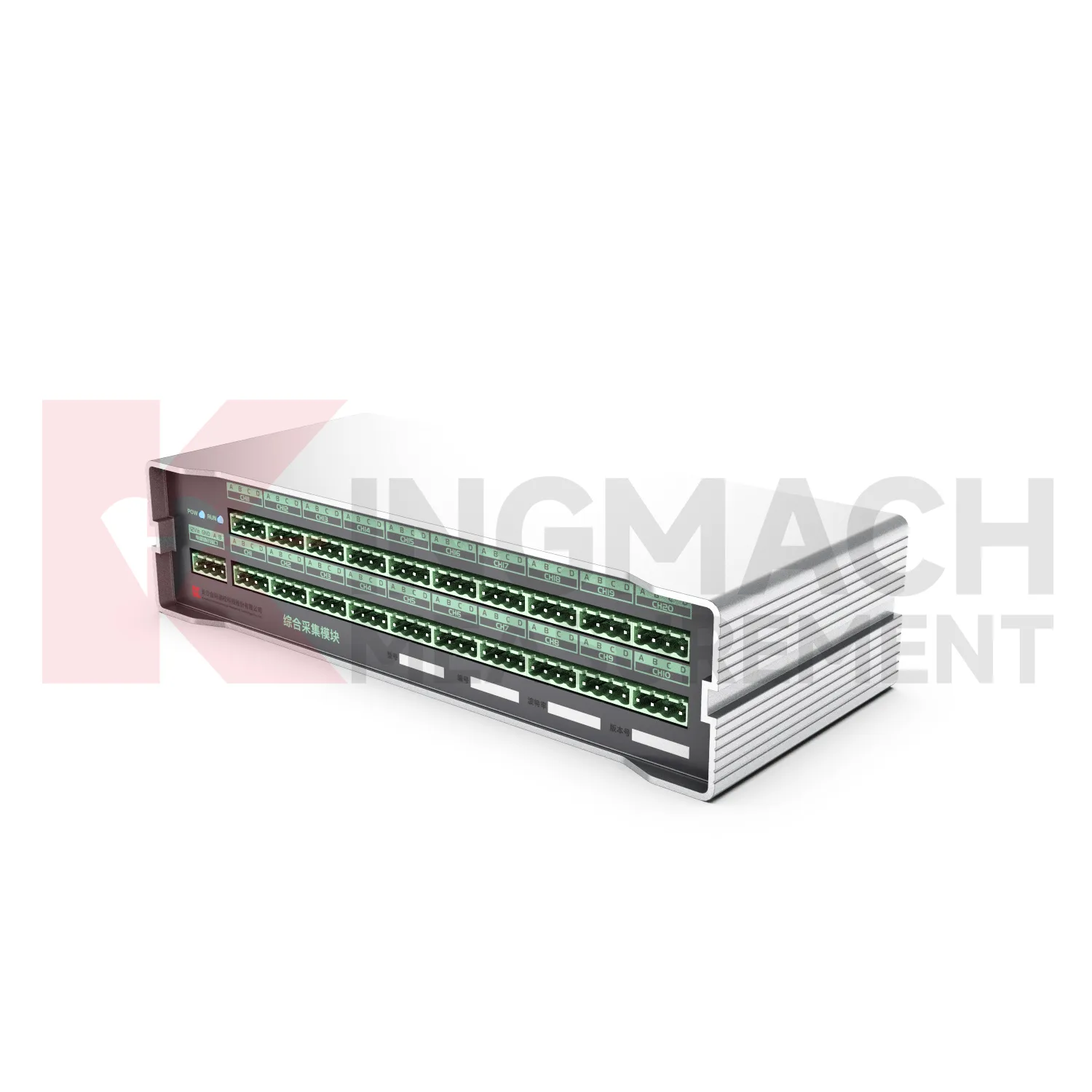
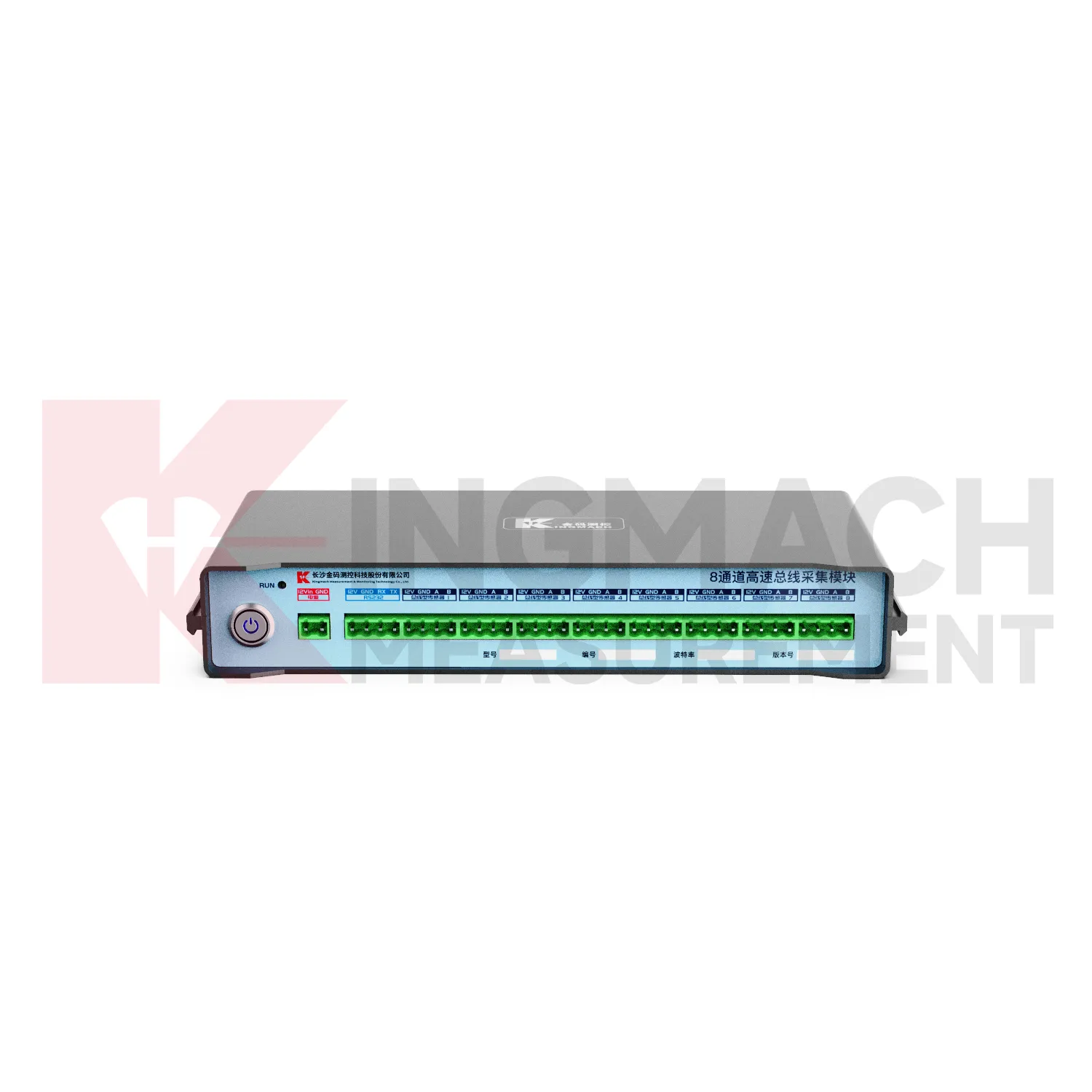
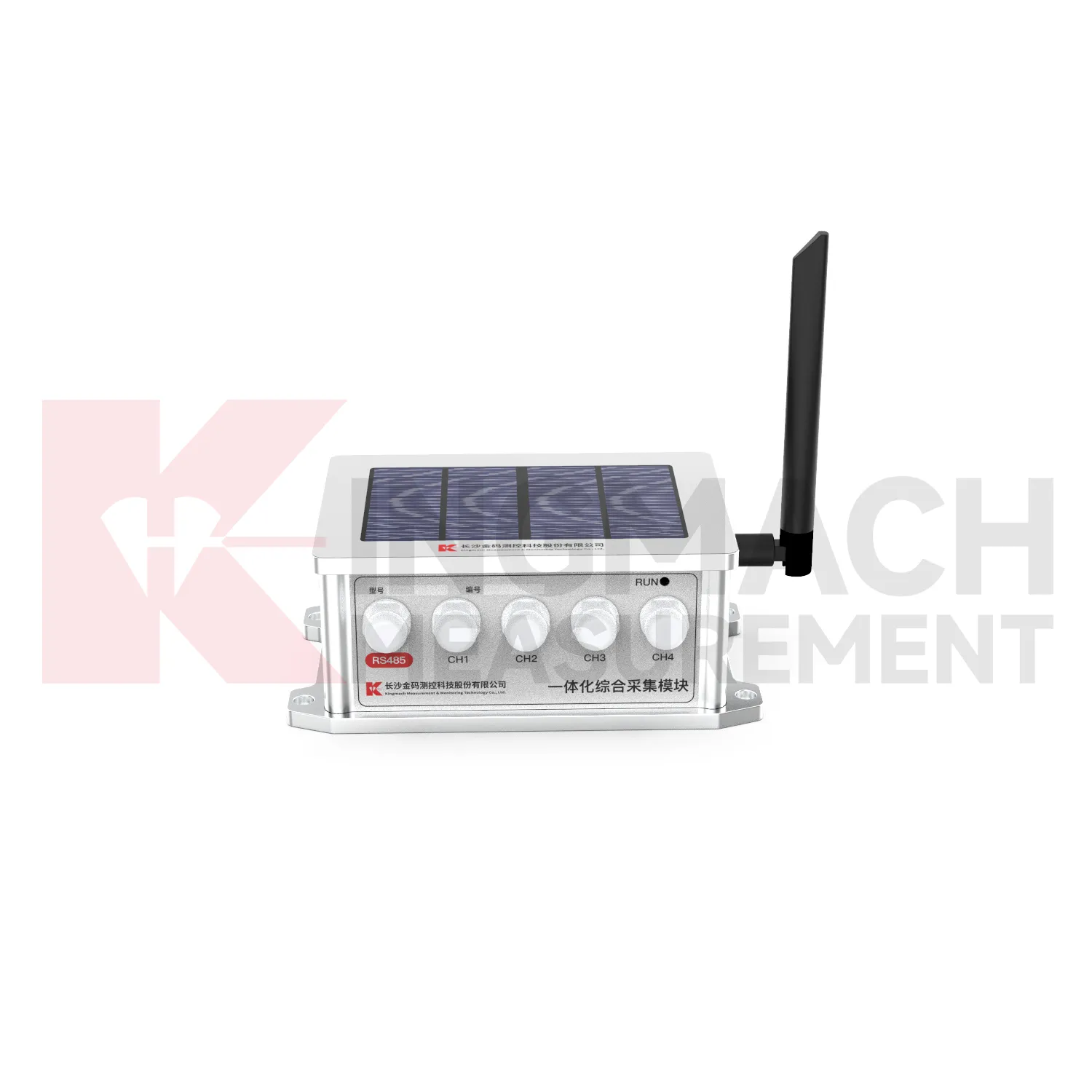
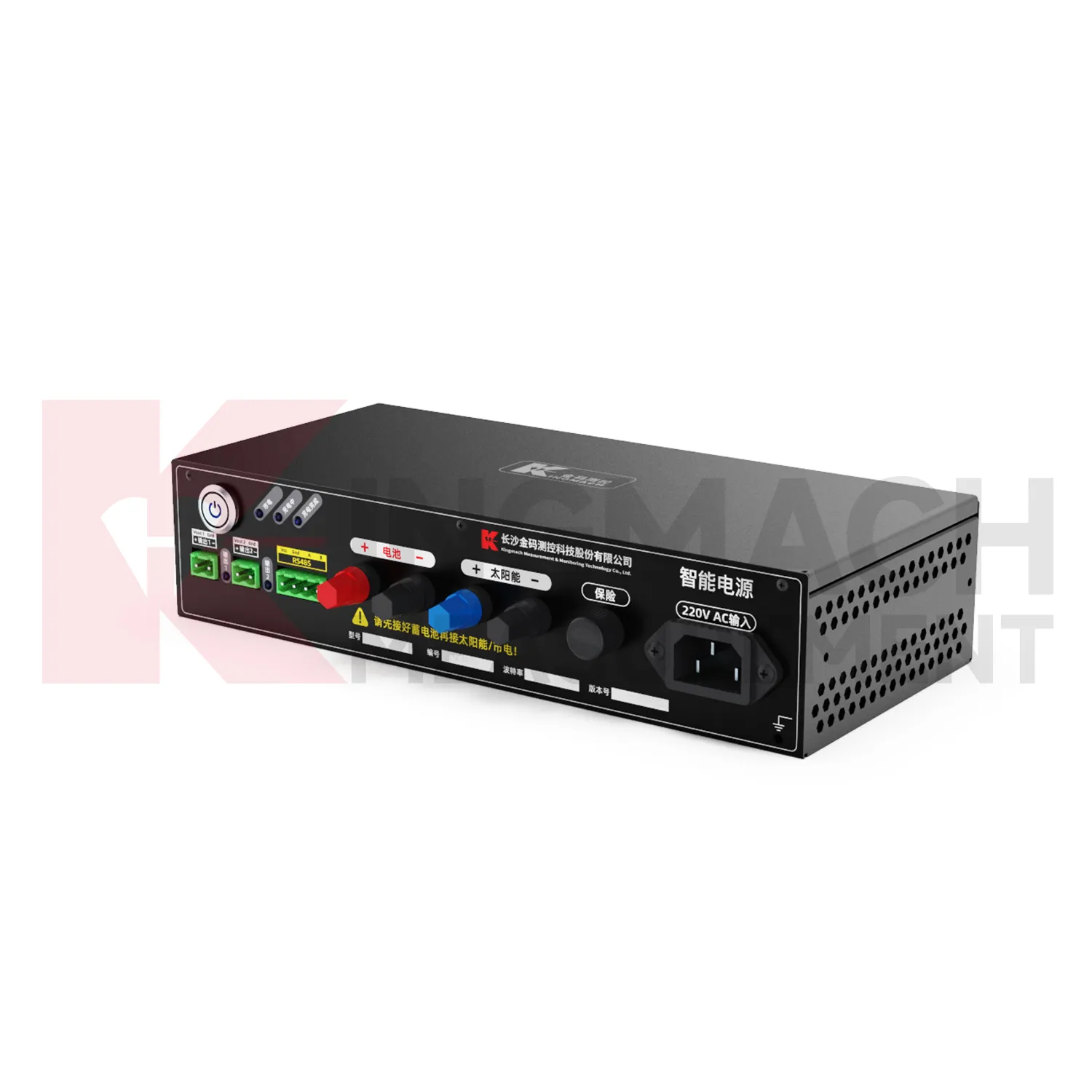
Kingmach inclinometer clinometer help owners avoid fragmented monitoring records. Without a clear acquisition device, one team may keep handheld readings, another may keep platform data, and a third may keep inspection notes. A better workflow connects the readout or logger with sensor location, acquisition interval, export method, and review responsibility. For vibrating wire sensors, a readout can support quick field confirmation and stored values. For RS485 digital sensors, a wireless logger can support timed acquisition and active upload. For dynamic signals, portable acquisition equipment can capture events that need faster sampling and synchronized channels. The result is a monitoring record that can be reviewed after the field crew leaves. Fragmentation is especially risky when a project has many structures, temporary work stages, or multiple contractors. The acquisition plan should define one naming logic for points and one method for exporting files. When inspection notes, logger records, and manual checks use the same location language, the owner can compare them without guesswork. This reduces reporting delays and makes abnormal readings easier to trace. It also helps when consultants, contractors, and owners need to review the same monitoring period with different responsibilities but a shared data source. during formal reporting. and audits. consistently.
Application of inclinometer clinometer
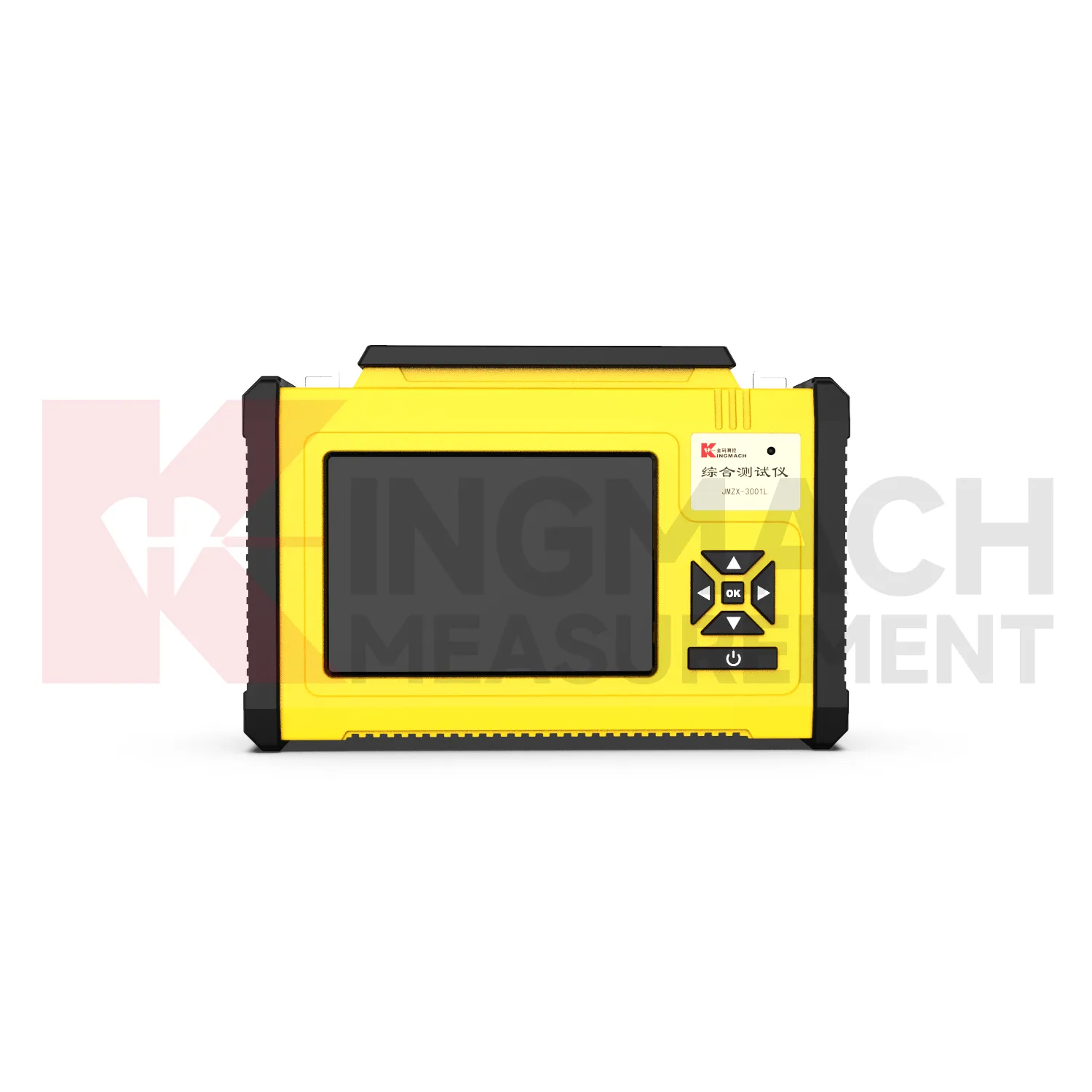
Industrial testing and equipment monitoring use Kingmach inclinometer clinometer when strain, vibration, displacement, temperature, or pressure-related signals need organized acquisition. Portable readouts are useful for temporary tests, commissioning checks, and maintenance diagnosis. Dynamic acquisition devices can capture short events from machinery start-up, impact, load transfer, or process changes. Data loggers can support longer records when equipment behavior must be observed across shifts or operating cycles. The device should fit the signal type and review purpose. A plant maintenance team may need quick confirmation, while an engineering team may need exported data for analysis. Clear channel names and event notes help both groups work from the same record. Industrial records often need to be linked with operating state. A waveform during start-up, a temperature change during production, or a strain response after adjustment should be stored with the equipment condition. This helps maintenance staff compare repeated tests and gives engineers a cleaner basis for diagnosing load transfer, vibration source, or process influence. Stable export files also make external analysis easier. For temporary tests, the readout or logger should also make it easy to repeat the same measurement route after repair, adjustment, or operating change. That repeatability helps maintenance teams compare before-and-after behavior.
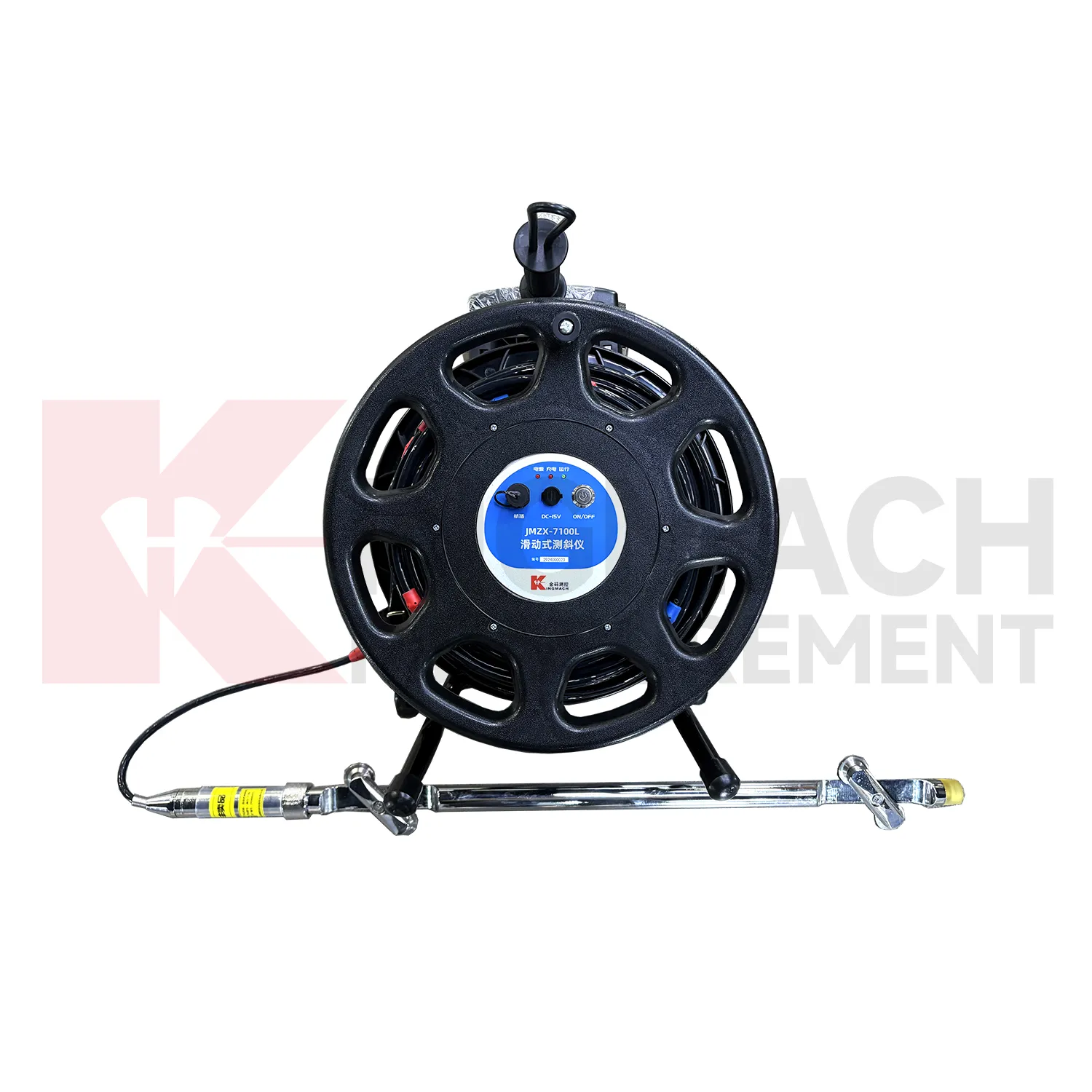
The future of inclinometer clinometer
Future Kingmach inclinometer clinometer will support cleaner integration between portable field checks and automatic data logging. A technician may verify a sensor with a handheld readout, then connect the same point to a logger for routine acquisition. The future workflow should keep these records aligned through consistent channel names, sensor identities, time stamps, and handover notes. This helps owners compare first values, commissioning checks, maintenance readings, and automatic trends without rebuilding the record manually. Better continuity will reduce confusion when projects move from installation to long-term operation. Future systems can also keep the first verified reading beside the later automatic trend. If a sensor is repaired, replaced, or moved, the handover note can show where the continuity changed. This will help owners understand whether a trend shift came from the monitored structure, the sensor point, or the acquisition setup. This continuity is especially useful when commissioning records must remain comparable with long-term operation data.
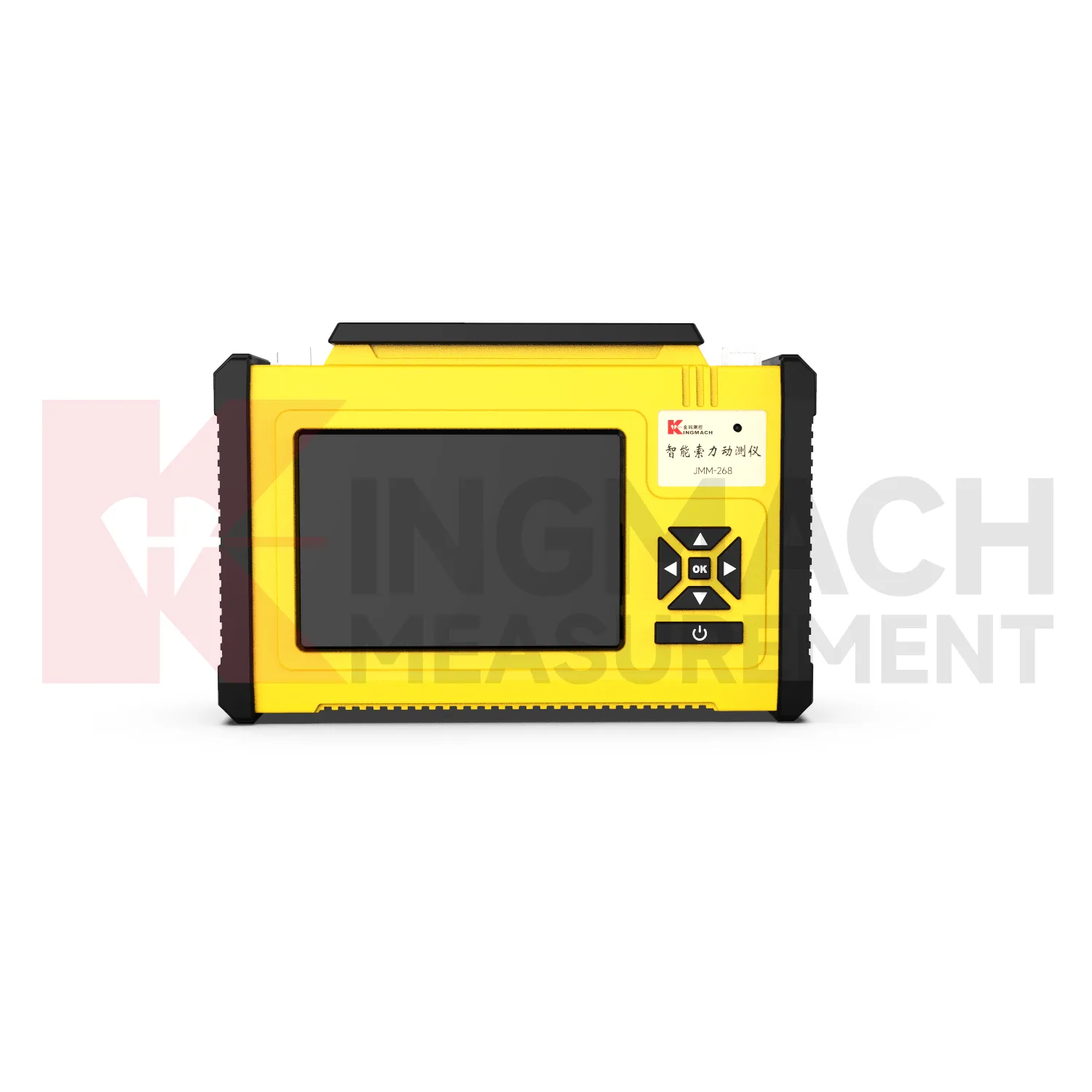
Care & Maintenance of inclinometer clinometer
Portable readout maintenance for Kingmach inclinometer clinometer should focus on field readiness. Before an inspection route, check battery charge, display condition, connectors, storage space, sensor cables, and export method. Field crews should also confirm that the device time is correct because time stamps are part of the monitoring record. After the route, export and back up readings before the next job overwrites or confuses the file. A readout that is ready before the visit saves time on site and reduces the chance of returning for missed measurements. Field readiness also includes route planning. The operator should know which sensors need verification, which cable adapters are required, and where previous values are stored for comparison. After the visit, any unusual reading should be linked with a point name and site condition. This keeps portable measurements useful after the crew has moved to the next structure. and supports later reporting. for owners. consistently.
Kingmach inclinometer clinometer
Kingmach inclinometer clinometer make sensor readings easier to verify before the data becomes part of a formal project record. A technician can use a readout to check whether a sensor responds, whether the channel name matches the physical point, and whether the value looks reasonable beside site conditions. A data logger can then continue the acquisition after the crew leaves. This handoff from manual checking to automatic collection is important for settlement sensors, strain gauges, load cells, tilt sensors, displacement points, and environmental instruments. The monitoring team gains a clearer record when every reading is tied to location, time, sensor type, and inspection notes. For dynamic tests, timing accuracy, event naming, channel synchronization, and signal conditioning help the team compare motion or strain events with construction activity, traffic, wind, or machinery operation. During handover, photos, channel maps, sensor lists, communication settings, and normal baseline examples help the next team continue review without rebuilding the monitoring history from scattered files.
FAQ
Q: When is a portable readout useful?
A: A portable readout is useful during installation, inspection rounds, sensor verification, temporary testing, and maintenance checks when immediate field values are needed.
Q: When is a wireless logger useful?
A: A wireless logger is useful at remote or difficult access sites where scheduled acquisition and active upload reduce repeated manual visits.
Q: Can one device handle every monitoring task?
A: No. Slow long-term monitoring, dynamic event capture, digital bus acquisition, and handheld verification may require different acquisition devices.
Q: Why does acquisition interval matter?
A: The interval must match site behavior. Fast events need frequent or dynamic capture, while stable long-term points may use slower scheduled readings.
Q: How should data be handed over?
A: The handover file should include sensor lists, channel maps, baseline readings, acquisition settings, communication details, and maintenance history. The record stays useful when point names, channel labels, sensor type, measurement time, and field condition are kept together, because later reviewers can connect the number with the actual structure and inspection history.
Reviews
Andrew Lee
The visualization software is intuitive and powerful. It helps us analyze monitoring data efficiently.
Joshua Clark
We ordered a full monitoring solution including sensors and data loggers. Everything works seamlessly together. Great supplier!
Latest Inquiries
To protect the privacy of our buyers, only public service email domains like Gmail, Yahoo, and MSN will be displayed. Additionally, only a limited portion of the inquiry content will be shown.
Olivia***@gmail.comUnited States
Hello, we are currently sourcing high-precision strain gauges and load cells for a bridge monitoring...
Isabella***@gmail.comGermany
Hello, we are evaluating weir flow meters for a water management project. Please share accuracy deta...
Related product categories
- Dynamic Signal Data Logger
- Automated Data Acquisition System
- Integrated Monitoring System Software Platform
- Modular Monitoring System Software Platform
- digital readout
- digital readout tape measure
- digital readout scales
- digital readouts
- load cell readout
- load cell readouts
- tape measure digital readout
- temperature data loggers