
 EN
 ar
 bg
 hr
 cs
 da
 nl
 fi
 fr
 de
 el
 hi
 it
 ko
 no
 pl
 pt
 ro
 ru
 es
 sv
 tl
 iw
 id
 lv
 lt
 sr
 sk
 sl
 uk
 vi
 et
 hu
 th
 tr
 fa
 ms
 hy
 ka
 ur
 bn
 mn
 ta
 kk
 uz
 ku

Construction Monitoring
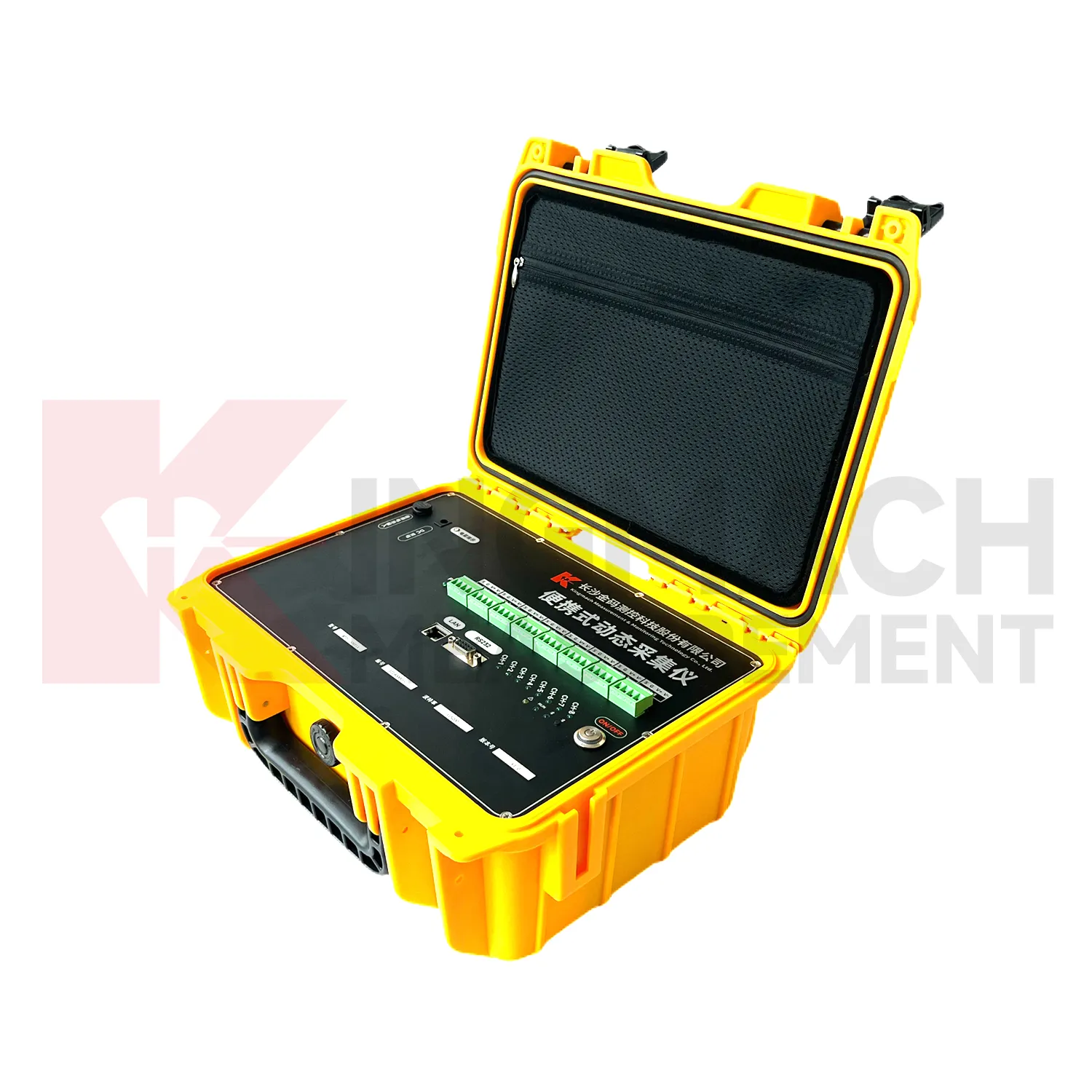
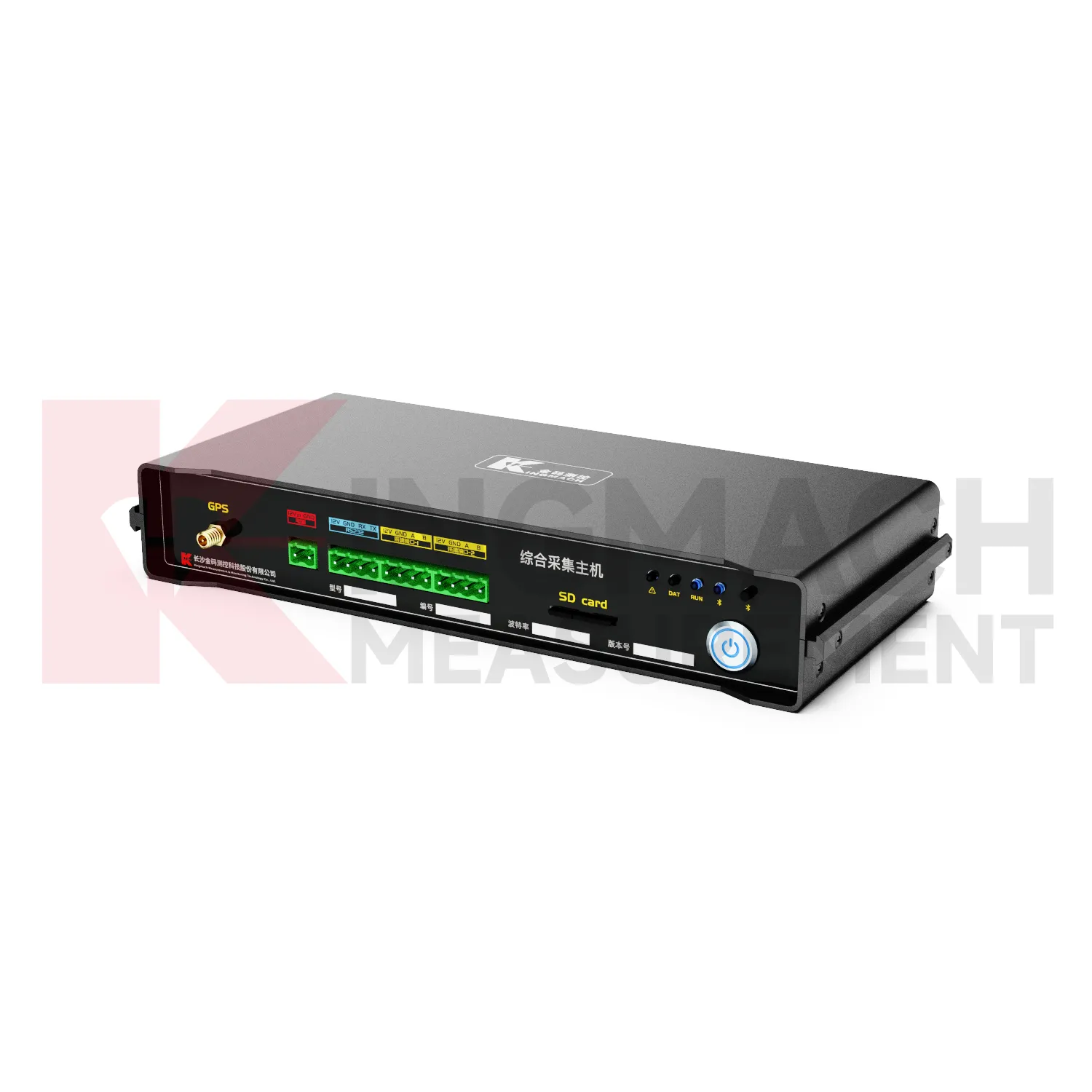
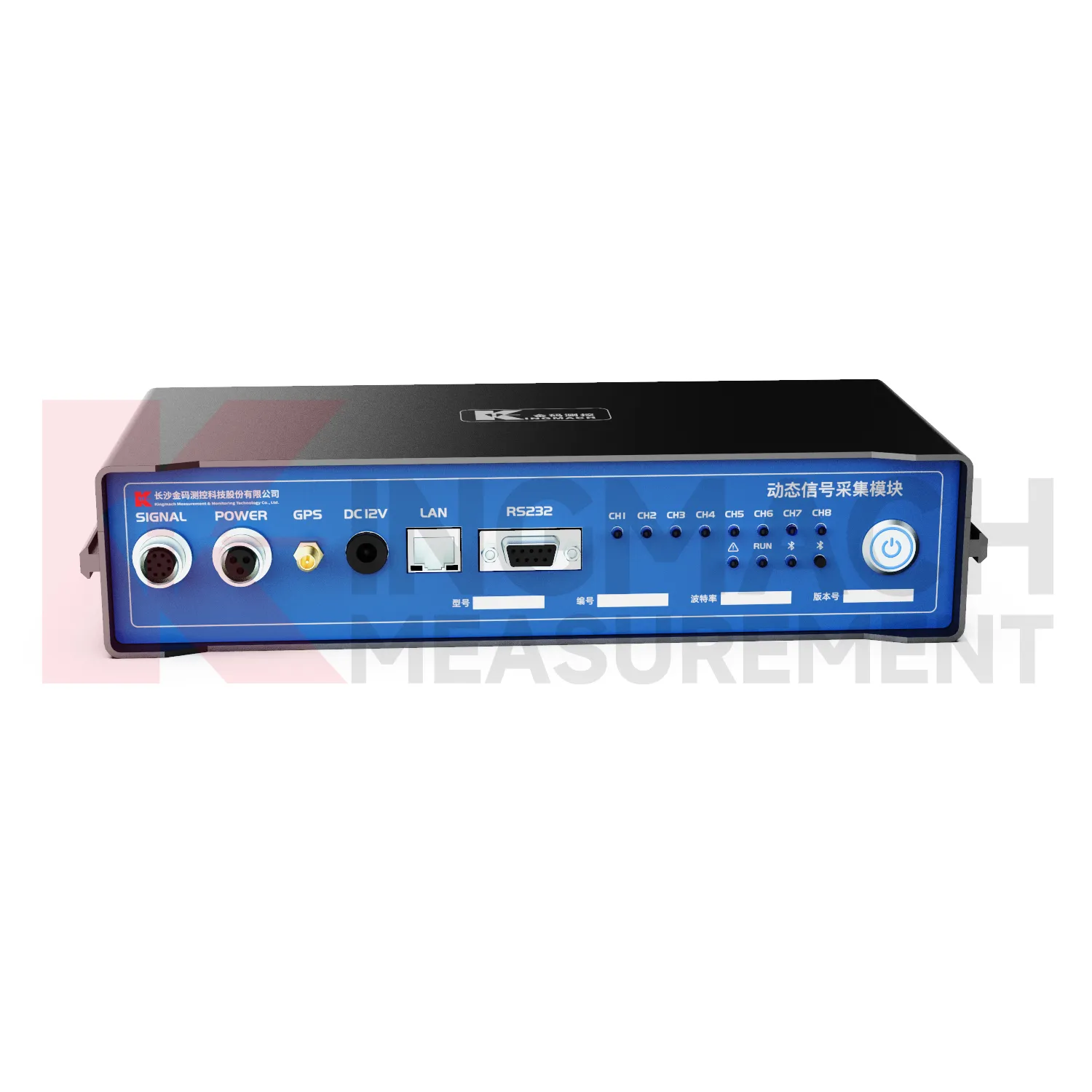
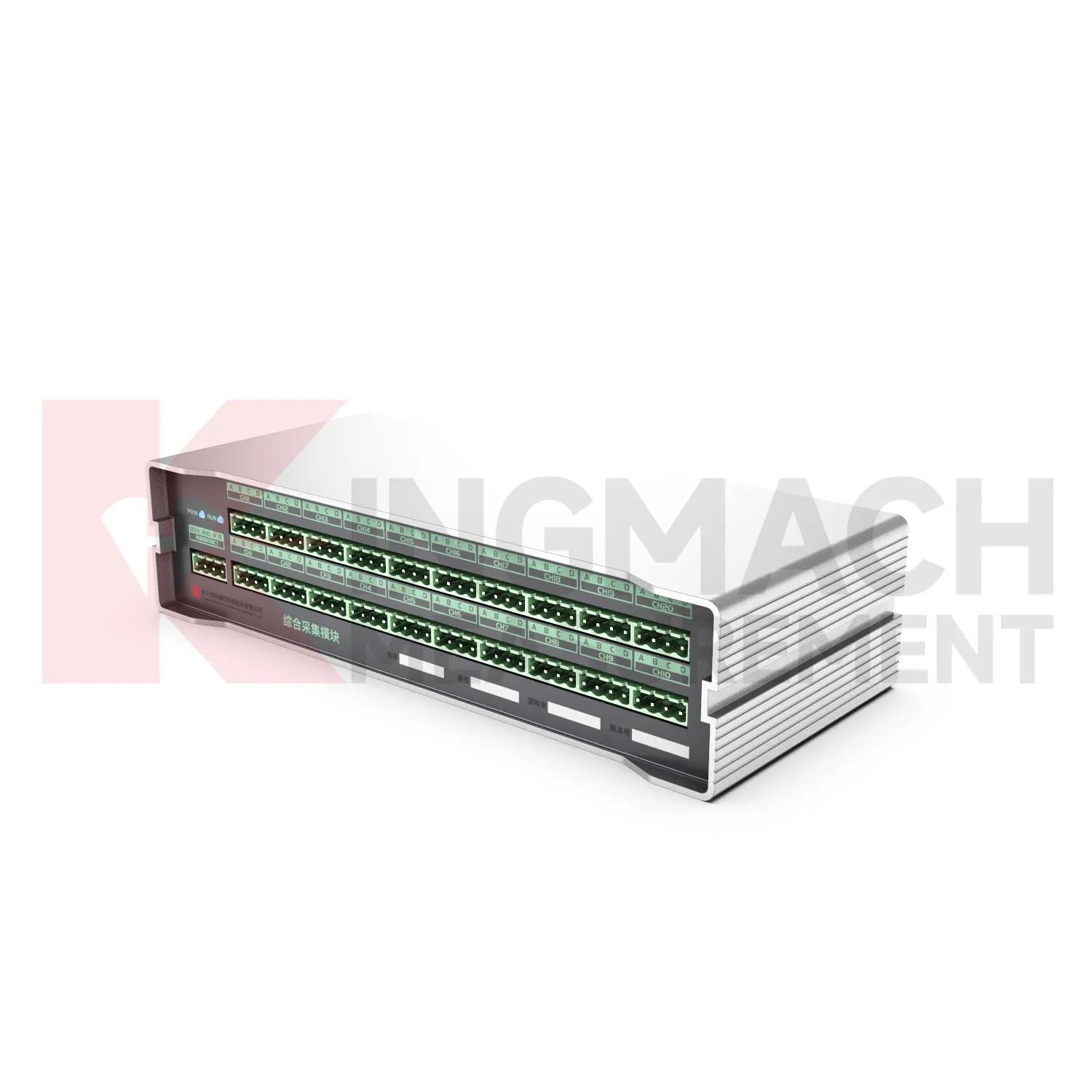
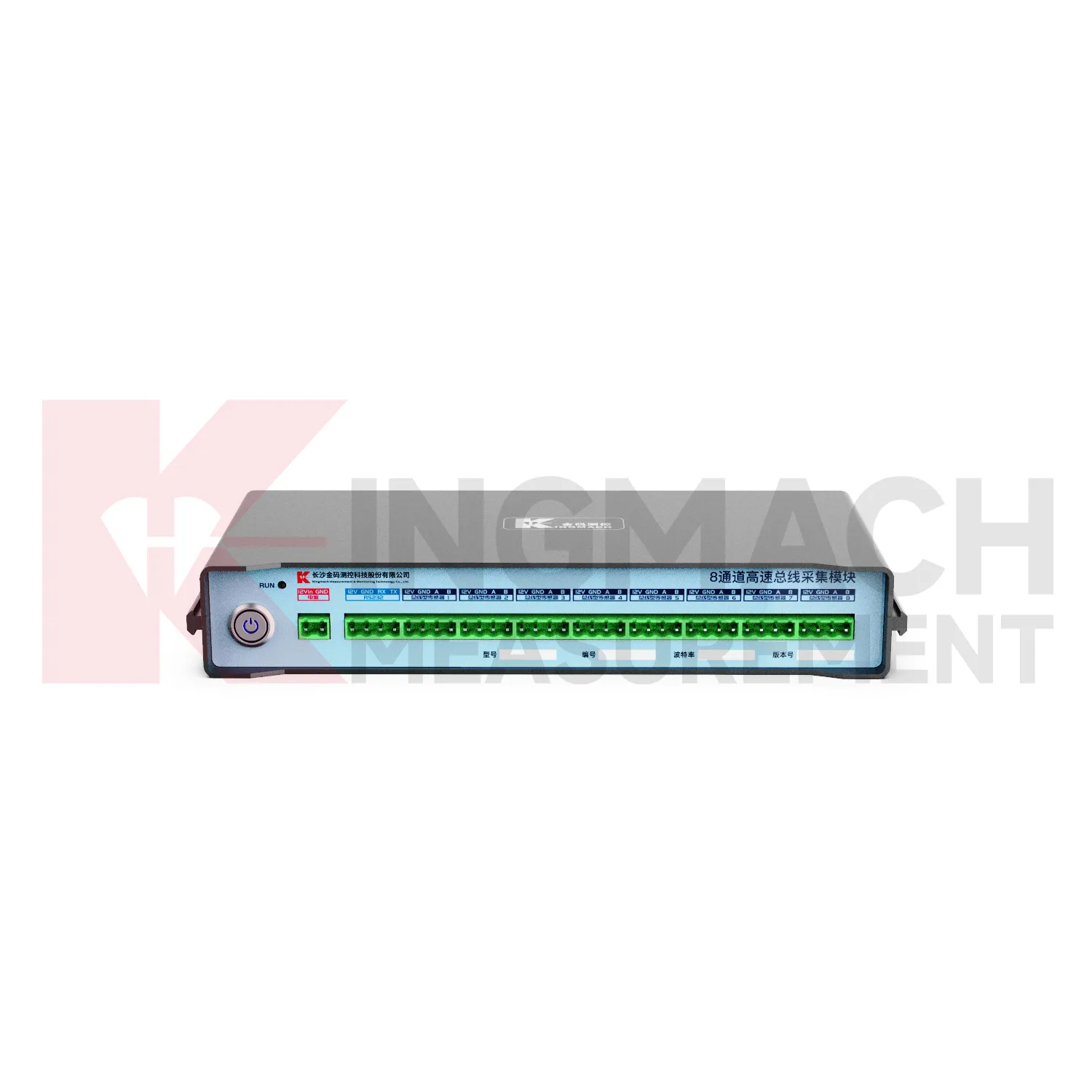
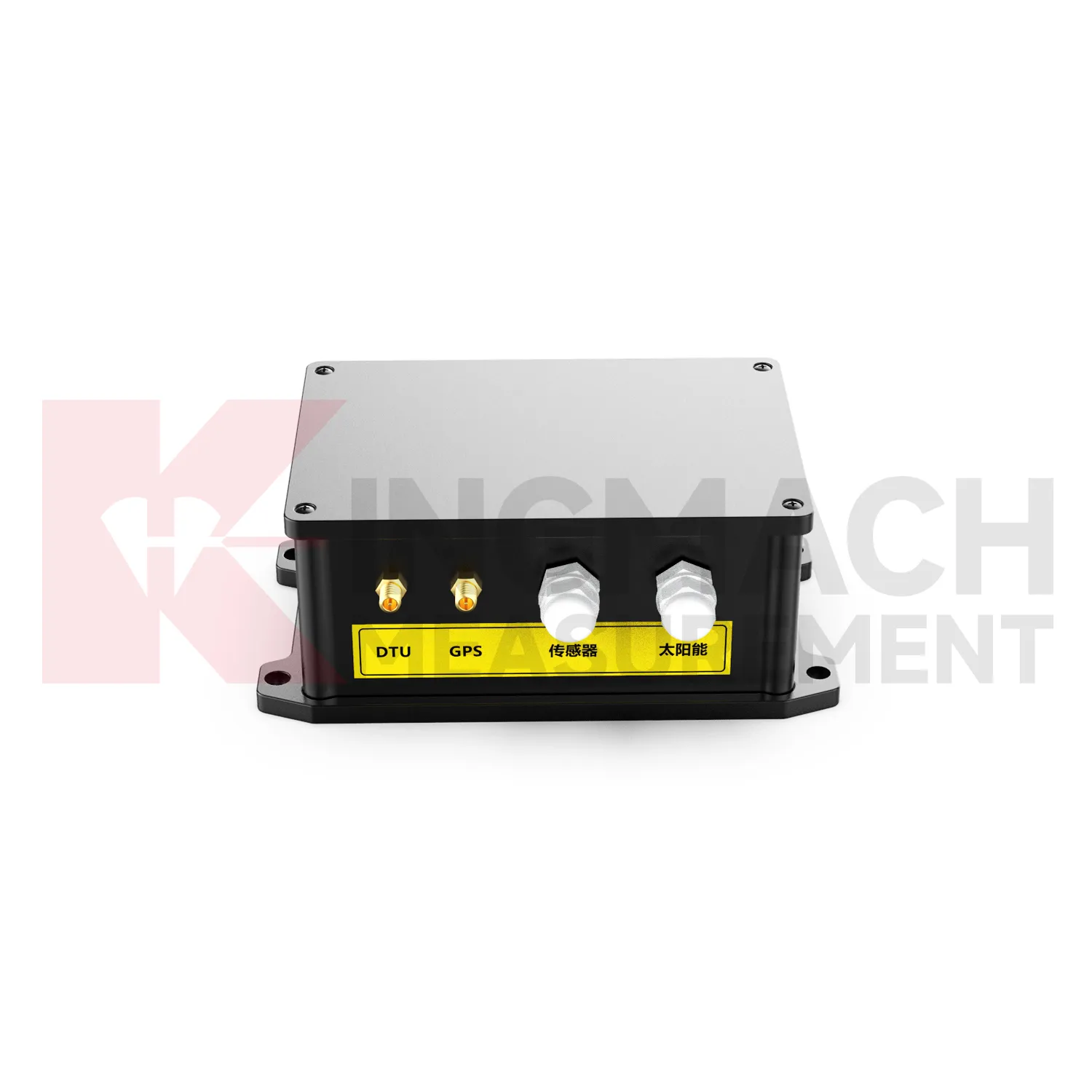
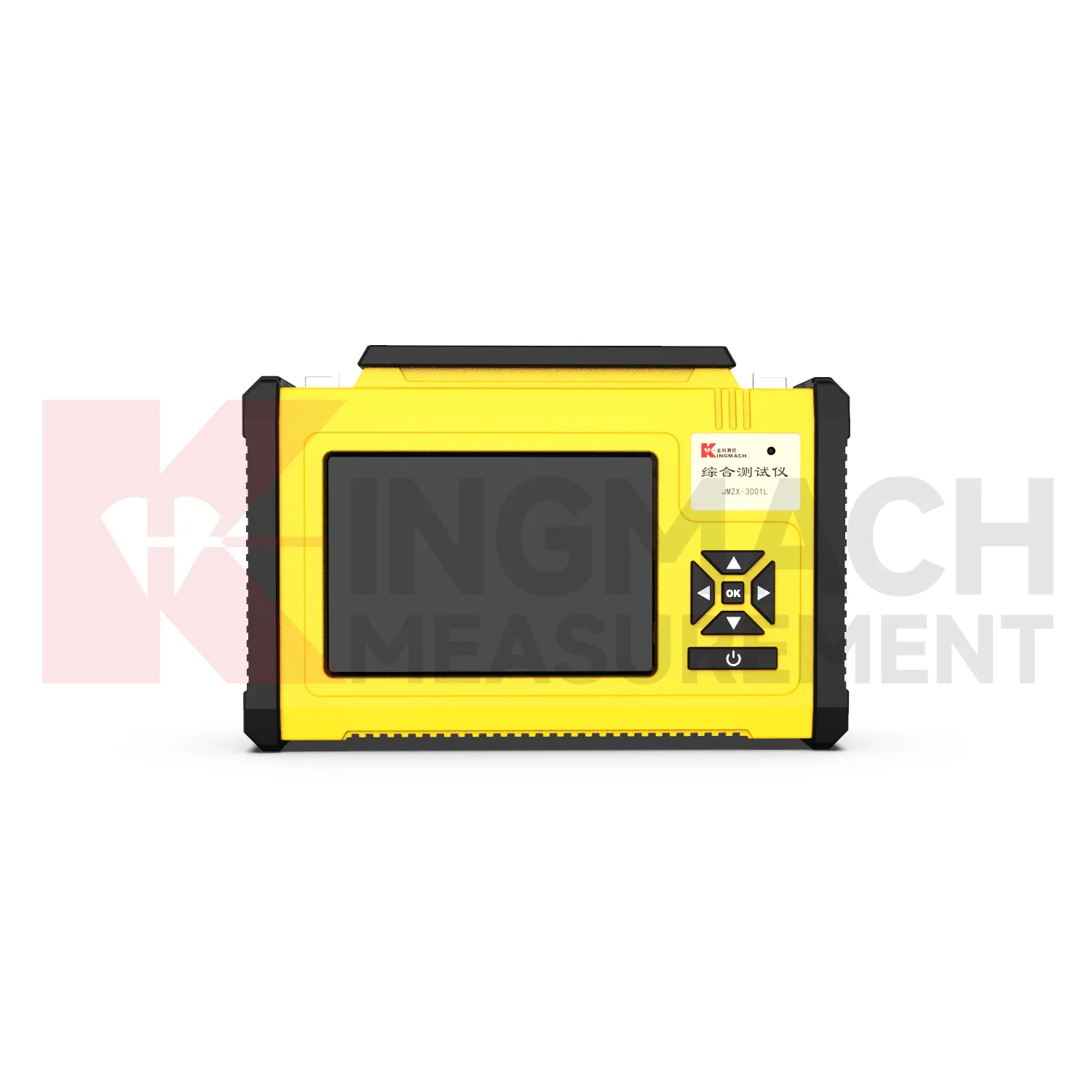
Kingmach Construction Monitoring help owners avoid fragmented monitoring records. Without a clear acquisition device, one team may keep handheld readings, another may keep platform data, and a third may keep inspection notes. A better workflow connects the readout or logger with sensor location, acquisition interval, export method, and review responsibility. For vibrating wire sensors, a readout can support quick field confirmation and stored values. For RS485 digital sensors, a wireless logger can support timed acquisition and active upload. For dynamic signals, portable acquisition equipment can capture events that need faster sampling and synchronized channels. The result is a monitoring record that can be reviewed after the field crew leaves. Fragmentation is especially risky when a project has many structures, temporary work stages, or multiple contractors. The acquisition plan should define one naming logic for points and one method for exporting files. When inspection notes, logger records, and manual checks use the same location language, the owner can compare them without guesswork. This reduces reporting delays and makes abnormal readings easier to trace. It also helps when consultants, contractors, and owners need to review the same monitoring period with different responsibilities but a shared data source. during formal reporting. and audits. consistently.
Application of Construction Monitoring
Railway, subway, and transportation projects use Kingmach Construction Monitoring to capture sensor readings during dynamic loading, construction disturbance, and long-term operation. Portable acquisition instruments can be used for vibration or strain events during train passage, while fixed loggers can record settlement, displacement, tilt, or environmental changes along monitored sections. The device should support clear channel naming because many points may be installed along a line, tunnel, bridge, or station box. Timing is also important: event records need enough resolution to connect the measured response with traffic or construction activity. A disciplined acquisition workflow helps owners compare repeated events instead of treating each reading as isolated. Transport monitoring often depends on matching measurement time with operating schedules. A train passage, platform work, nearby excavation, or maintenance closure can explain a short response that would be confusing in a monthly trend alone. The acquisition record should therefore keep route section, structure name, event time, sensor group, and operating note together. This helps engineers compare repeated passages and identify changes that deserve field inspection. For subway and railway assets, this is useful when night work, train intervals, tunnel ventilation, and station activity change the background condition around the sensors. during later technical review. safely.
The future of Construction Monitoring
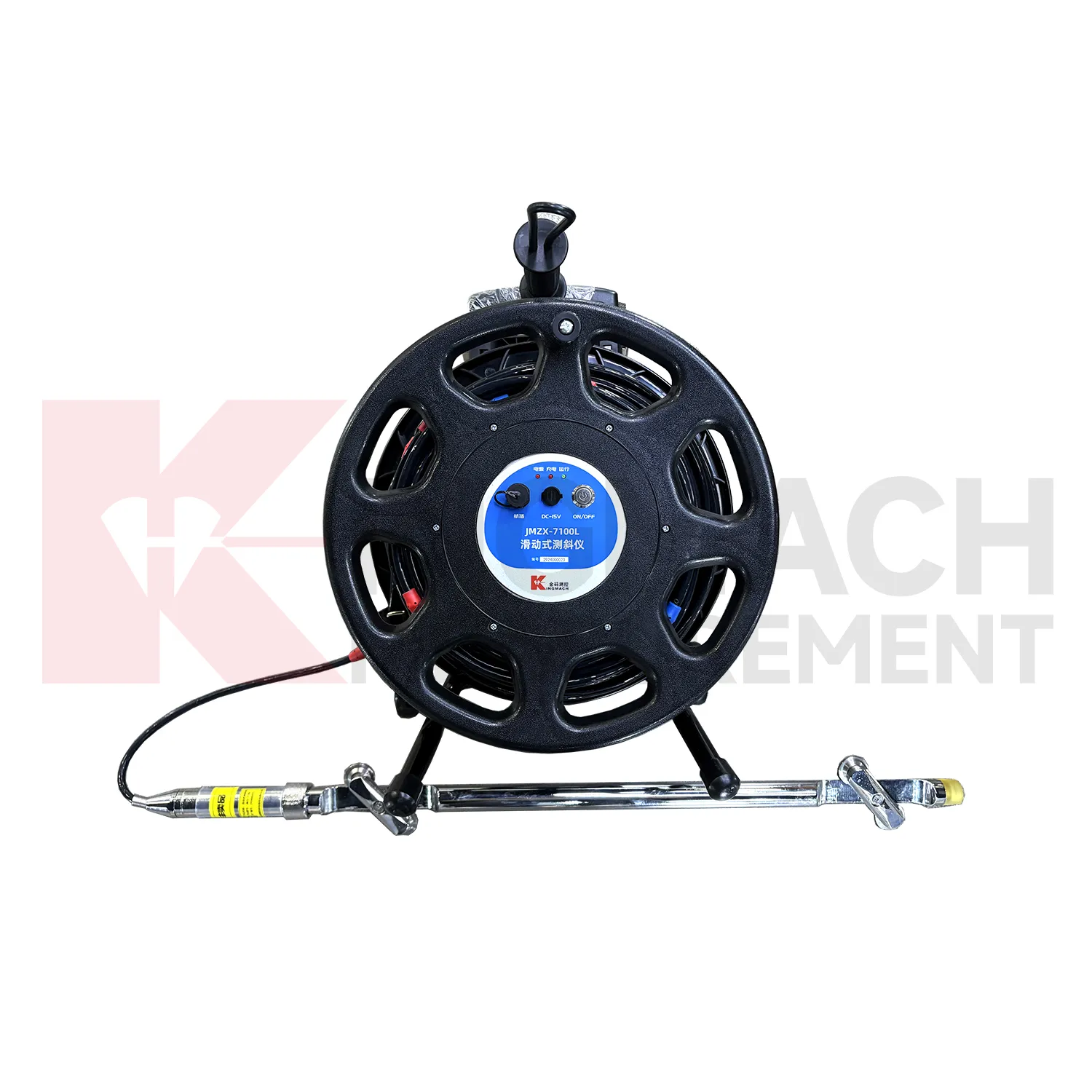
Future Kingmach Construction Monitoring will give project teams more flexible acquisition intervals. Some sensors need frequent readings during excavation, loading, rainfall, or dynamic testing. Other sensors need stable long-term records at slower intervals. The ability to match acquisition timing to project behavior helps control data volume while preserving important events. Future devices should make interval changes traceable so reviewers know why a record became faster or slower at a certain date. This is important when construction stages or risk levels change. Flexible intervals should also protect the meaning of long-term trends. If a station records every minute during excavation and every hour after stabilization, the report should show that change clearly. Reviewers can then compare data periods correctly instead of treating different acquisition modes as if they were the same. This will help owners manage storage volume, event detail, and reporting clarity without losing engineering context. across project stages. over time.
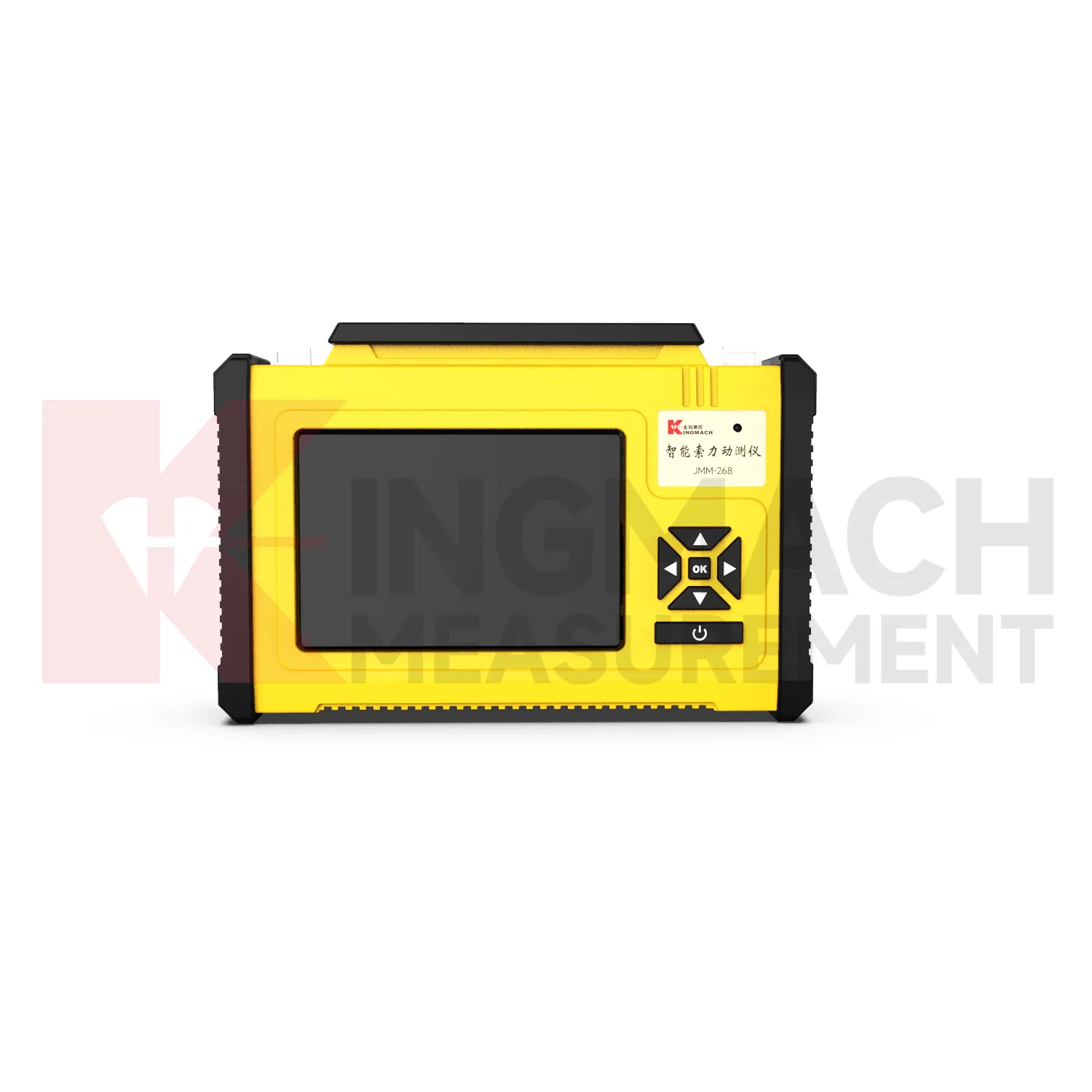
Care & Maintenance of Construction Monitoring
Connector and cable maintenance protects Kingmach Construction Monitoring from field faults. Acquisition equipment may be used in wet galleries, slopes, tunnels, bridge decks, or construction areas where cables can be pulled, crushed, corroded, or mislabeled. Inspect connectors, glands, terminals, grounding, cable strain relief, and enclosure seals. A small connection problem can look like a sensor fault or a sudden structural change. After cleaning, rewiring, or replacing a cable, save a note with the channel name and first normal reading. This keeps troubleshooting history visible. Cable routes should also be checked after excavation, concrete work, traffic control, or equipment movement. If a connector is wet or a cable label is missing, the affected channel should be marked before the data is used in a report. Clear cable notes help the next technician find the same point quickly and reduce repeated diagnosis on future visits. This is especially useful when several sensor types share one acquisition box or cabinet.
Kingmach Construction Monitoring
The role of Kingmach Construction Monitoring is to keep measurement data accessible after the field work is finished. A reading that cannot be traced to a channel, time, sensor, or site condition loses much of its value. Portable readouts support immediate checking, while data loggers support continuity and remote access. When used well, they help owners see trends, compare events, verify maintenance actions, and prepare reports for construction or operation review. This category is especially important for projects where sensor networks remain in service after the original installation team has left. During handover, photos, channel maps, sensor lists, communication settings, and normal baseline examples help the next team continue review without rebuilding the monitoring history from scattered files. The record stays useful when point names, channel labels, sensor type, measurement time, and field condition are kept together, because later reviewers can connect the number with the actual structure and inspection history.
FAQ
Q: What affects data reliability?
A: Power condition, cable connection, enclosure protection, channel labels, sensor compatibility, time settings, storage status, and field notes all affect reliability.
Q: What should be checked after maintenance?
A: Check the affected channel, first stable reading, cable route, device setting, power status, communication status, and whether the maintenance note is attached to the record.
Q: Why keep raw records?
A: Raw records allow engineers to review the original measurement behavior before filtering, summarizing, or comparing values with other site information.
Q: How do dynamic acquisition devices help?
A: They capture short events such as vibration, train passage, impact, blasting, or machinery activity with timing and channel information needed for later review.
Q: How can data gaps be reduced?
A: Use stable power, suitable acquisition intervals, protected enclosures, clear maintenance routines, communication checks, and scheduled data review. The record stays useful when point names, channel labels, sensor type, measurement time, and field condition are kept together, because later reviewers can connect the number with the actual structure and inspection history.
Reviews
Robert Taylor
The weir flow meter is well-built and delivers accurate measurements. Great value for water management applications.
Daniel Brown
Excellent environmental monitoring sensors. The data is consistent, and the system integrates smoothly with our existing setup.
Latest Inquiries
To protect the privacy of our buyers, only public service email domains like Gmail, Yahoo, and MSN will be displayed. Additionally, only a limited portion of the inquiry content will be shown.
Sophia***@gmail.comUnited Kingdom
Good day, we need environmental monitoring sensors including temperature, humidity, and wind sensors...
Isabella***@gmail.comGermany
Hello, we are evaluating weir flow meters for a water management project. Please share accuracy deta...
Related product categories
- data acquisition module
- signal acquisition module
- compact data acquisition modules
- acquisition module
- data acquisition modules
- modular data acquisition system
- modular acquisition
- portable data acquisition module
- signal acquisition and actuation module
- temperature acquisition module
- wireless acquisition module
- modular automation acquisition